
The Quiet Revolution: How Data‑Powered Decision‑Making Is Redefining Modern Restaurants
When I first stepped onto the bustling floor of a downtown bistro, the clatter of plates and the hum of conversation felt like a well‑orchestrated symphony. Yet, beneath that lively surface, I sensed a hidden rhythm—one dictated not by chefs’ intuition alone, but by streams of real‑time data. Today, that hidden rhythm is louder than ever, and it’s reshaping the restaurant industry in ways most diners never notice.
Restaurants have traditionally leaned on experience, gut feeling, and the occasional guest survey to steer menu choices, staffing levels, and pricing. But the stakes have risen: rising food costs, labor shortages, and ever‑more discerning consumers demand precision. The answer? A data‑centric playbook that blends predictive analytics, AI, and a dash of entrepreneurial daring.
From Plate to Dashboard: The Data Lifecycle in a Modern Kitchen
Imagine a typical dinner service. Each order triggers a cascade of digital events: a POS system logs the dish, inventory software updates ingredient levels, and a kitchen display screen queues preparation steps. When these touchpoints are unified, they generate a live feed of operational health. By aggregating this feed, managers can answer questions like:
- Which menu items are trending at 7 p.m. versus 9 p.m.?
- How many pounds of locally sourced salmon will I need for the upcoming weekend?
- What staffing pattern minimizes overtime without compromising service speed?
That flow of information is only as powerful as the insights extracted from it. Advanced analytics platforms can detect patterns invisible to the human eye—say, a subtle dip in soup orders that correlates with a recent weather change, or a spike in vegan entrees that aligns with a local university’s sustainability campaign.
AI‑Enhanced Forecasting: Cutting Waste and Boosting Margins
Food waste is the silent profit killer lurking in many kitchens. The tiered SaaS solutions that once catered to tech startups now offer predictive inventory modules tailored for restaurants. By feeding historical sales data, seasonal trends, and even local event calendars into a machine‑learning model, chefs receive daily purchase recommendations that trim excess by up to 30%.
Take the case of a mid‑size Italian eatery I consulted for. Their weekly waste—primarily unsold fresh basil and mozzarella—averaged $1,200. After integrating an AI‑driven forecast, they adjusted their ordering cadence, reducing waste to $450 in just three months. That $750 saving translated directly into a healthier bottom line, freeing capital for menu innovation.
Dynamic Pricing: Borrowing From the Airline Playbook
Dynamic pricing isn’t just for flights and hotels. Restaurants can now adjust menu prices in real time based on demand, ingredient costs, and even competitor moves. A cloud‑based pricing engine monitors market fluctuations—think a sudden surge in avocados due to a drought—and automatically nudges menu prices up or down while preserving perceived value.
One upscale sushi bar experimented with a 15‑minute “flash pricing” window during slow weekday evenings. By offering a 10% discount on select rolls when occupancy fell below 50%, they boosted table turnover by 12% and turned a typically quiet slot into a revenue generator.
Conversational AI at the Front Line of Guest Experience
Guests expect swift, personalized interactions. Enter conversational AI—a technology that started as a novelty but now powers reservation bots, menu assistants, and post‑dining feedback loops. The same AI engines that drive sophisticated B2B marketing are being repurposed for restaurant front‑of‑house tasks.
Consider a casual brunch spot that deployed a chatbot on its website. The bot not only handled reservations but also suggested menu items based on the user’s dietary preferences and previous orders. Guests reported a 20% increase in satisfaction scores, and the restaurant saw a 7% rise in repeat bookings—all without adding a single human host.
Supply Chain Transparency with Blockchain: From Farm to Fork
Today's diners care about provenance. They want to know if their coffee beans are shade‑grown or if the steak comes from a farm with humane practices. Blockchain technology offers an immutable ledger that tracks each ingredient’s journey. By scanning a QR code on the plate, customers can instantly view the farm’s location, harvest date, and even the farmer’s story.
While blockchain may sound like a buzzword, early adopters are already reaping brand loyalty dividends. A farm‑to‑table restaurant chain reported a 15% uplift in average ticket size after launching a transparent sourcing program, as patrons were willing to pay a premium for verified ethical produce.
Balancing Tech with Human Touch: The Chef’s New Role
Technology is a tool, not a replacement. Chefs who once ruled kitchens with an iron spatula now find themselves as data interpreters and experience curators. The most successful establishments empower culinary teams to experiment based on data insights, while still preserving the artistry that makes food memorable.
One innovative example is a pop‑up restaurant that uses heat‑mapping sensors to analyze where guests linger the longest. The data revealed that diners spent extra time at the dessert station, prompting the chef to expand the sweet menu and even introduce a tasting flight of mini desserts. The result? A 25% increase in dessert revenue and rave reviews for the “immersive sweet journey.”
Future‑Proofing Your Restaurant: The Roadmap
For restaurateurs ready to embark on this data‑driven journey, here’s a practical roadmap:
- Audit Your Current Tech Stack: Identify gaps in POS integration, inventory tracking, and customer feedback channels.
- Choose Scalable SaaS Solutions: Look for platforms that offer modular add‑ons—forecasting, dynamic pricing, and AI chat—so you can grow at your own pace.
- Invest in Training: Your staff should be comfortable interpreting dashboards and acting on insights. Consider short workshops or partner webinars.
- Start Small, Iterate: Pilot AI‑driven ordering on one high‑volume ingredient. Measure waste reduction, then expand.
- Communicate the Value to Guests: Highlight transparency (e.g., blockchain sourcing) and personalization (e.g., AI chat) in your marketing.
Remember, the goal isn’t to replace the chef’s intuition but to augment it with actionable intelligence. When data and creativity dance together, the restaurant not only survives the volatile market—it thrives.
Conclusion: The Data‑Driven Plate Is Here to Stay
In the age of information, the restaurant that learns to listen to its own numbers will outserve, out‑innovate, and out‑earn its peers. From AI‑enhanced forecasting that slashes waste, to conversational bots that delight guests, to blockchain ledgers that build trust—technology is no longer a side dish; it’s the main course.
If you’ve been skeptical about the hype, I encourage you to start with a single data point—perhaps a weekly inventory report—and watch how that insight ripples across your operation. The quiet revolution is already happening in kitchens worldwide; all that’s left is for you to take the first bite.

Related Posts
The Secret Sauce Behind the Pop‑Up Kitchen Boom
Pop‑up kitchens turn vacant spaces into immersive dining adventures, blending storytelling, local ... Read More
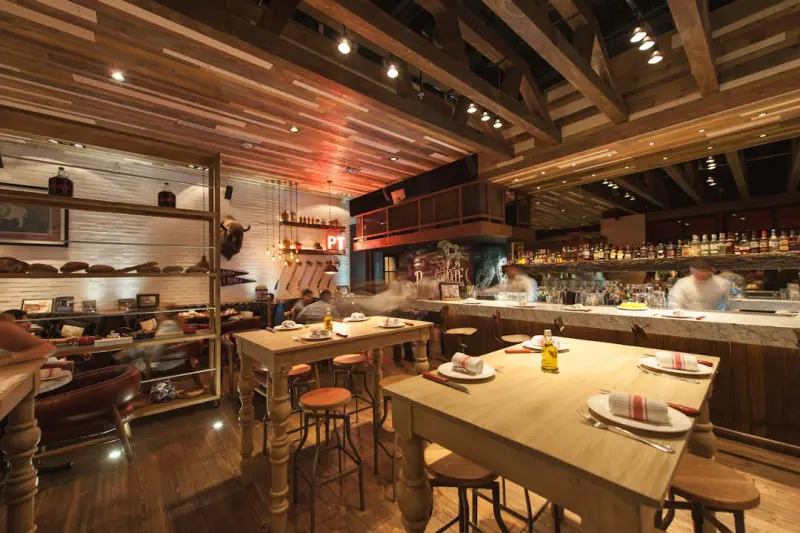
The Kitchen Playground: How Restaurants Are Crafting Immersive Dining Adventures
Modern eateries are treating kitchens as experimental playgrounds, blending pop‑up labs, cross‑i... Read More

Beyond the Plate: How Community Co‑Creation Is Redefining the Restaurant Experience
Restaurants are inviting diners to help design menus, ambience, and even artwork, turning the dining... Read More
Top Posts

Why Digital Nomad Visas Are the New Travel Gold Rush
Digital nomad visas are turning travel into a long‑term career strategy, driving economic growth for host countries and offering remote workers a legal pathwa...Read More

Parental Warning: The Quiet Data Harvest in Kids’ Smart Toys
Smart toys collect more than fun—voice, location, and behavioral data flow to the cloud. This post reveals the hidden privacy hazards and offers a checklist f...Read More

Ontario Fishing Reimagined: Tech, Community, and Conservation
A deep dive into Ontario’s modern fishing landscape, highlighting smart technology, open data platforms, and community conservation efforts that together shap...Read More
Zero‑Waste Cocktail Culture: The New Frontier for Sustainable Sipping
Zero‑waste cocktail culture is transforming bars and home mixology by upcycling ingredients, using reusable glassware, and leveraging data to cut waste—prov...Read More
0 Comments
Post Comment
You will need to Login or Register to comment on this post!