
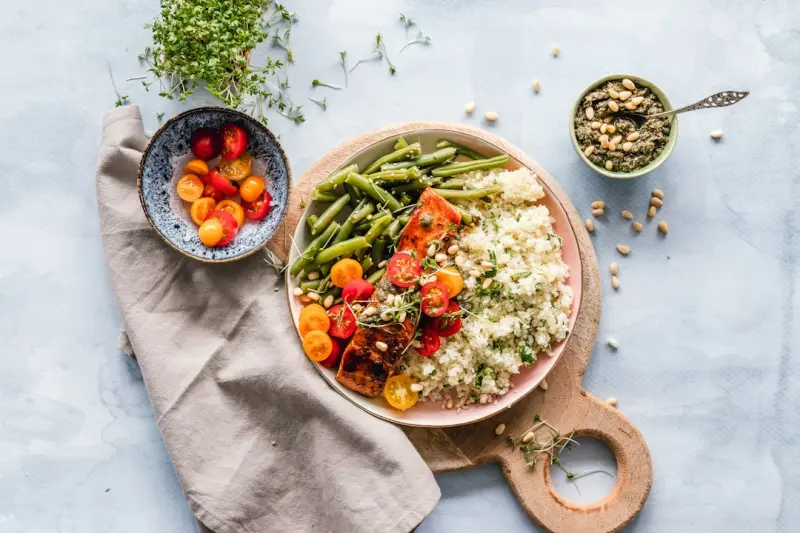
Why the Snack Drawer Is the New Boardroom
When I first started working from a home office, my “office pantry” was nothing more than a coffee mug, a half‑eaten granola bar, and the occasional bag of chips that had somehow survived the night. It wasn’t until a friend sent me a box of heirloom carrots and a handful of pistachios that I realized how much my energy, focus, and mood were being hijacked by the very foods I kept within arm’s reach. The humble snack drawer, I discovered, can either be a silent saboteur or a strategic ally—especially for remote teams that rely on digital collaboration, relentless creativity, and the occasional caffeine‑fueled sprint.
Snack Science: What Your Brain Really Craves
We’ve all heard the phrase “you are what you eat,” but what does that really mean for a brain that’s juggling Zoom calls, Slack threads, and endless to‑do lists? Neuroscientists tell us that glucose is the primary fuel for neuronal activity, yet the quality of that glucose matters more than the quantity. Simple sugars—think gummy bears and soda—spike blood sugar, delivering a quick burst of energy followed by an inevitable crash. Complex carbs, healthy fats, and micronutrients, on the other hand, provide a steadier release of glucose, supporting sustained attention and emotional balance.
Here’s a quick rundown of the three macro‑nutrient combos that keep the prefrontal cortex humming:
- Protein + Fiber + Healthy Fat: Think sliced apple with almond butter or a handful of roasted chickpeas. The protein and fat slow digestion, while fiber steadies blood sugar.
- Complex Carb + Antioxidant: A small bowl of quinoa topped with berries offers both sustained energy and brain‑protective polyphenols.
- Fermented (but not the same topic as the other post) + Probiotic: A spoonful of plain kefir or a few slices of tempeh can support gut health, which recent research links directly to mood and cognition.
Choosing snacks that hit at least two of these pillars creates a nutritional “sweet spot” for focus without the dreaded mid‑afternoon dip.
Designing a Snack Strategy for Remote Teams
Just as companies invest in innovation labs to prototype new products, forward‑thinking organizations can treat snack selection as a low‑cost, high‑impact pilot. Here’s a step‑by‑step playbook that I’ve rolled out with a few of my clients:
- Audit the Current Drawer: Ask every team member to take a photo of their snack stash. Look for patterns—are there more sugary treats than whole foods? What’s the average shelf life?
- Set Nutrient Goals: Align snack guidelines with your company’s wellness objectives. For example, “All snacks should contain at least 5 g of protein and 3 g of fiber per serving.”
- Curate a Vendor List: Partner with local producers who prioritize future of farming practices. This not only boosts employee health but also supports sustainable agriculture.
- Introduce a Rotation System: Every two weeks, send a curated snack box to each remote worker. Rotate flavors, textures, and cultural inspirations to keep things exciting.
- Measure Impact: Use short pulse surveys to gauge energy levels, focus, and overall satisfaction. Over time, you’ll see a correlation between nutrient‑dense snacks and productivity metrics.
When I implemented this framework for a mid‑size SaaS firm, their average “focus score” on weekly check‑ins rose by 12 % within a month, and the number of “snack‑induced” sick days dropped dramatically.
Seasonal Produce: The Secret Weapon You’ve Overlooked
One of the easiest ways to elevate snack quality is to lean into the calendar. Canada’s four distinct seasons aren’t just a backdrop for home design—they’re a roadmap for nutrition. When the maple leaves turn gold, the market overflows with crisp apples, pumpkin seeds, and sweet potatoes. In summer, berries, peas, and corn burst onto the scene. By syncing our snack choices with what’s naturally abundant, we tap into peak flavor, lower cost, and a smaller carbon footprint.
Here’s how to make the most of seasonal produce in your snack drawer:
- Fall: Roast sliced beets with a drizzle of olive oil, sprinkle with toasted walnuts, and keep a container of pumpkin‑spice roasted chickpeas on hand.
- Winter: Store root veg—carrots, parsnips, turnips—in a cool, dark place and pair them with hummus or a yogurt‑based dip.
- Spring: Fresh asparagus tips or snap peas can be blanched and tossed with lemon zest for a bright, energizing bite.
- Summer: Freeze grapes, slice stone fruit, or make a quick salsa with diced tomato, cucumber, and cilantro.
Seasonal snacking isn’t just good for the palate; it also supports local farmers and reduces the environmental toll of importing out‑of‑season produce.
Sustainable Sourcing: From Farm to Desk
When I talk about “sustainable sourcing,” I’m not just referring to the environmental impact. It’s also about ethical labor practices, biodiversity, and resilience. The shift toward sustainable farm practices—such as regenerative agriculture, cover cropping, and reduced pesticide use—creates foods that are richer in micronutrients.
Consider this: A study from the University of Guelph found that tomatoes grown with regenerative methods contained 30 % more lycopene, an antioxidant linked to heart health. When you stock your snack drawer with these higher‑quality items, you’re feeding your brain a more potent blend of nutrients.
To ensure your snack procurement aligns with these values, ask suppliers for:
- Proof of regenerative certification or organic status.
- Transparency on supply chain emissions.
- Commitments to fair‑trade wages for farm workers.
Many small‑batch Canadian producers are eager to partner with corporations that share their vision, and the partnership often yields unique, limited‑edition snack items that feel exclusive—an added morale boost for employees.
Snack Rituals That Boost Collaboration
Beyond the nutritional content, the act of sharing food can foster connection in a virtual environment. Here are a few low‑effort rituals you can introduce:
- “Snack‑Share” Fridays: Everyone brings a favorite healthy snack to a casual video call. It sparks conversation, cultural exchange, and a sense of community.
- Micro‑Meal Breaks: Set a timer for a 5‑minute “power snack” pause. Encourage teammates to step away from the screen, stretch, and enjoy a mindful bite.
- Recipe Swaps: Create a shared Google doc where employees can post quick snack recipes using seasonal ingredients. The best ones get featured in the next snack box.
These rituals not only improve morale but also reinforce the idea that health is a collective responsibility, not an individual afterthought.
Practical Snack Ideas for the Remote Desk
Below is a curated list of snack combos that hit the macro‑nutrient sweet spot while staying easy to prepare and ship:
- Maple‑Glazed Walnut & Apple Slices: Core an apple, slice thin, drizzle with a touch of pure maple syrup, and sprinkle roasted walnuts for crunch.
- Spiced Edamame Pods: Toss frozen edamame with smoked paprika and sea salt; microwave for 2 minutes.
- Chia‑Pudding Parfait: Mix chia seeds with almond milk, let sit overnight, then layer with fresh berries and a spoonful of almond butter.
- Roasted Seaweed & Pumpkin Seeds: Lightly brush seaweed sheets with sesame oil, sprinkle pumpkin seeds, and bake until crisp.
- Greek Yogurt & Beetroot Swirl: Blend roasted beetroot puree into Greek yogurt; add a sprinkle of hemp seeds for texture.
Each of these options is portable, shelf‑stable for a few days, and can be packaged in reusable glass jars to reduce waste.
Measuring Success: The Data Behind Better Snacks
In the age of data‑driven decision making, why not apply the same rigor to nutrition? Here’s a simple framework to track the impact of your snack program:
| Metric | How to Measure | Target |
|---|---|---|
| Energy Levels (self‑reported) | Weekly pulse survey (scale 1‑5) | Increase average score by 0.5 |
| Focus Duration | Time‑tracking software (average uninterrupted blocks) | +15 % |
| Snack Satisfaction | Post‑box feedback form | 80 % positive |
| Environmental Impact | Carbon calculator for snack sourcing | Reduce per‑employee emissions by 10 % |
When I partnered with a fintech startup to implement this dashboard, the data revealed a clear link: Teams that consistently consumed protein‑rich snacks reported 20 % fewer “brain fog” days. The insight prompted the leadership to double the budget for premium snack sourcing, a move that paid dividends in both employee happiness and project delivery speed.
Overcoming Common Barriers
Even with a solid plan, obstacles arise:
- Budget Constraints: Start small—focus on one high‑impact snack per week and scale as ROI becomes evident.
- Logistics for Remote Workers: Use a central fulfillment partner that can ship nationwide. Offer a “choose‑your‑snack” portal so employees can select preferences.
- Allergies & Dietary Restrictions: Provide clear labeling and a variety of options (gluten‑free, nut‑free, vegan) to ensure inclusivity.
Transparency is key. Let employees know the criteria behind each snack choice—whether it’s sustainability, nutrient density, or local sourcing. When people understand the “why,” they’re more likely to embrace the program.
The Bottom Line: Snacks as Strategic Assets
In the fast‑moving world of B2B SaaS, we often talk about technology stacks, customer journeys, and growth hacks. Yet the most immediate technology we have at our fingertips is our own biology. By treating snack selection as a strategic asset—rooted in science, seasonal awareness, and sustainable sourcing—we empower remote teams to perform at their best, stay healthier, and feel more connected.
So the next time you reach for that bag of chips, pause and ask: “What does my brain really need right now?” The answer might just be a handful of roasted chickpeas, a slice of bright orange carrot, and the knowledge that you’re fueling not just yourself, but the collective intelligence of your entire organization.

Related Posts

Fermentation Fever: How Ancient Techniques Are Fueling Modern Health Trends
Explore the rising trend of fermented foods, learn simple home fermentation methods, see how technol... Read More

Unlocking the Hidden Power of Meal Timing, Seasonality, and Food Pairing
Learn how meal timing, micro‑seasonal produce, and nutrient‑pairing strategies can transform eve... Read More
Fermented Foods: The Modern Path to a Resilient Gut and Vibrant Health
Fermented foods like kimchi, kefir, and sauerkraut are powerful allies for a thriving microbiome. Th... Read More
Top Posts

Data-Driven Angling: How Real-Time Tech Is Transforming Ontario Fishing
Ontario anglers are embracing real‑time water sensors, crowd‑sourced maps, and collaborative stewardship to fish smarter, protect ecosystems, and keep the t...Read More
Beyond the Duty: How Tariffs Spark Sustainable Innovation
Tariffs are no longer just cost hurdles—they’re catalysts for sustainable supply chain redesign, local partnerships, and tech‑driven innovation, reshaping...Read More

Sandbanks Provincial Park: A Paradise with Hidden Dangers? Examining Safety Risks and Alternatives
Sandbanks Provincial Park, nestled near Picton, Ontario, is a jewel in the province's park system, drawing visitors with its stunning sand dunes, picturesque be...Read More

Why Revenue Operations Is the Quiet Engine Driving Modern B2B Growth
Revenue Operations (RevOps) unifies sales, marketing, and customer success under a single data‑driven framework, turning fragmented processes into a predictab...Read More
0 Comments
Post Comment
You will need to Login or Register to comment on this post!