
Introduction
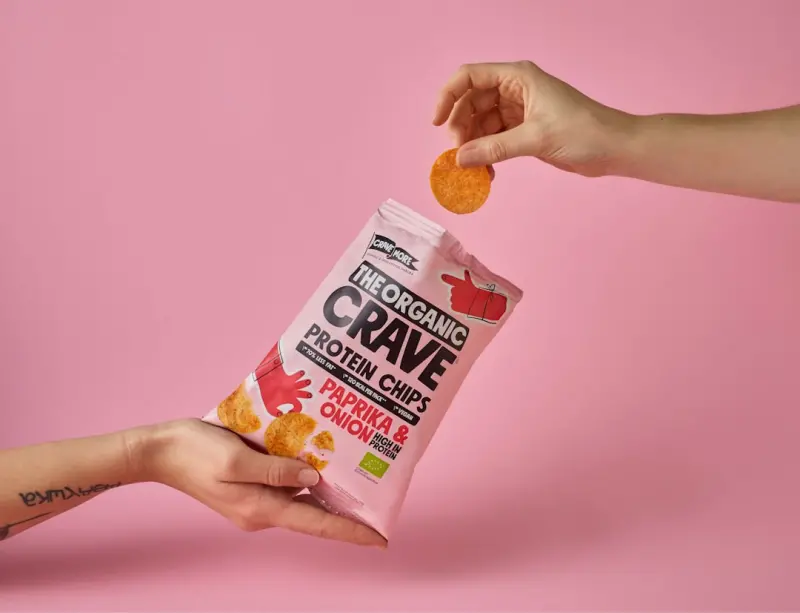
When I first swapped my morning bagel for a handful of roasted chickpeas, I felt like I’d discovered a culinary cheat code. Not only did I avoid the dreaded mid‑morning slump, but I also unlocked a new level of focus that kept my client calls crisp and my creative spark alive. This wasn’t a fleeting fad; it was the beginning of a deeper investigation into why plant‑powered snacks are becoming the go‑to fuel for busy professionals who demand both performance and wellness.
The Science Behind Snack‑time Performance
Most of us think of “snacking” as an indulgent, guilt‑laden activity. In reality, the right snack can be a strategic tool that stabilizes blood sugar, supports gut health, and even modulates brain chemistry. When you choose foods rich in fiber, protein, and healthy fats, you avoid the classic glucose roller‑coaster that follows a sugary bar or a bag of chips. The result? Steadier energy, sharper cognition, and fewer cravings throughout the day.
Key nutrients to watch for:
- Protein – slows digestion, keeps you full longer (think edamame, hemp seeds, or a modest scoop of plant‑based protein powder).
- Fiber – fuels your microbiome and promotes a feeling of satiety (look for whole‑grain crackers, dried fruit without added sugar, or sprouted lentils).
- Healthy fats – support brain health and hormone balance (avocado oil, walnuts, or a drizzle of tahini).
Seasonal Superfoods: Why Timing Matters
One of my favorite habits is visiting the local farmer’s market at the height of the season. There’s a palpable difference between a strawberry harvested in July and one that’s been shipped across the globe in a refrigerated container. Seasonal produce isn’t just tastier; it’s packed with phytochemicals that fluctuate with the plant’s life cycle.
For example, autumn brings an abundance of roasted root vegetables, which are high in beta‑carotene and antioxidants. Pair them with a sprinkle of pumpkin seeds for a magnesium boost that eases muscle tension after a long day at the desk. In spring, fresh peas and asparagus deliver a dose of folate, essential for mood regulation and cellular repair.
Building a Snack Toolkit: Practical Recipes You Can Pack
Below are three “grab‑and‑go” concepts that I rotate weekly. They’re designed for the modern professional: minimal prep, no refrigeration required (or at least a brief chill), and enough flavor to keep you excited about healthy eating.
1. Spiced Chickpea Crunch
Ingredients:
- 1 can of chickpeas, drained and rinsed
- 1 tbsp olive oil
- ½ tsp smoked paprika
- ¼ tsp cayenne (optional)
- Pinch of sea salt
Instructions: Toss the chickpeas in oil and spices, spread them on a baking sheet, and roast at 400°F for 20‑25 minutes, shaking halfway through. Cool, then store in a reusable zip‑top bag.
2. Nut‑Berry Energy Balls
Ingredients:
- ½ cup rolled oats
- ¼ cup almond butter
- 2 tbsp chia seeds
- ¼ cup dried cranberries (unsweetened)
- 2 tbsp maple syrup
Mix everything in a bowl, roll into bite‑size balls, and chill for 15 minutes. These are perfect for a quick pick‑me‑up before a meeting.
3. Savory Seaweed & Quinoa Crackers
Ingredients:
- 1 cup cooked quinoa (cooled)
- ¼ cup shredded nori sheets
- 2 tbsp nutritional yeast
- 1 tsp sesame oil
- Pinch of sea salt
Spread the mixture thinly on a parchment‑lined tray, bake at 350°F for 12‑15 minutes, and break into shards. The umami punch from the seaweed keeps cravings at bay.
Integrating fermented foods into Your Snack Routine
Fermentation isn’t just a buzzword; it’s a time‑tested method of preserving nutrients and enhancing probiotic content. Adding a spoonful of kimchi or a few slices of kombucha‑marinated carrots to your snack bag can dramatically improve gut flora diversity. A healthy microbiome has been linked to reduced inflammation, better mood regulation, and even stronger immunity—exactly the trifecta any professional needs to stay on top of their game.
If you’re new to fermentation, start small: a single serving of sauerkraut (about ¼ cup) with a handful of almonds makes for a balanced snack that hits protein, fiber, and probiotics all at once.
Tech Meets Nutrition: Leveraging digital health tools for Snack Optimization
We live in an age where data drives decision‑making, and why should our diets be any different? A growing number of digital therapeutic apps now offer real‑time feedback on blood glucose trends, micronutrient gaps, and even personalized snack recommendations based on your activity level.
My personal favorite is an app that syncs with a wearable to detect when my heart rate spikes during a brainstorming session. It then suggests a snack high in omega‑3s—like a walnut‑almond blend—to calm the nervous system without sacrificing mental acuity. The feedback loop is simple: eat the recommended snack, log how you feel, and the algorithm refines future suggestions.
The Psychology of “Snack Happiness”
There’s a subtle but powerful psychological component to snack selection. When we choose foods that align with our values—sustainability, animal welfare, or local sourcing—we experience a sense of congruence that boosts overall wellbeing. This phenomenon, often termed “value‑aligned eating,” can increase satisfaction and reduce the urge to seek “comfort foods” that are high in sugar or refined carbs.
Take a moment to audit your snack drawer: are the items you reach for because they’re convenient, or because they reinforce your personal ethos? Swapping a sugary granola bar for a responsibly sourced, plant‑based snack can provide a tiny but meaningful boost to self‑esteem, which ripples into productivity.
Packaging for the Modern Professional
One of the biggest barriers to healthy snacking is the inconvenience of packaging. Here are a few tips to make your snack routine as seamless as your morning Zoom routine:
- Reusable silicone bags – they’re airtight, lightweight, and can be flattened for easy storage in a laptop bag.
- Compartmentalized containers – perfect for portion‑controlled mixes of nuts, seeds, and dried fruit.
- Glass jars with screw‑on lids – ideal for home‑office setups where you can refill daily without worrying about plastic waste.
Scaling Your Snack Strategy Across Teams
While we’ve focused on the individual level, there’s a compelling case for extending this snack philosophy to the workplace. Companies that stock their break rooms with nutrient‑dense, plant‑forward options report lower sick days and higher employee satisfaction scores. Consider proposing a “Snack Innovation Day” where teams bring their favorite healthy bites to share, sparking both culinary creativity and cross‑departmental bonding.
Conclusion: Making the Snack Choice a Strategic Advantage
Healthy snacking isn’t a fleeting trend; it’s an actionable strategy that fuels mental clarity, physical stamina, and emotional resilience. By curating a personal snack toolkit, leveraging technology for data‑driven choices, and aligning your selections with your core values, you turn every bite into a competitive edge. So next time you reach for that stale office donut, pause, think about the plant‑powered alternative waiting in your bag, and let your snack be the silent driver of your next big win.

Related Posts
Unlocking Nutrient Synergy: How Smart Food Pairings Supercharge Your Health
Learn the science behind nutrient synergy and how pairing foods like tomatoes with healthy fats or s... Read More

Nourishing Narratives: How Storytelling, Seasonality, and Sensory Cooking Transform Healthy Eating
Discover how weaving stories, seasonal foraging, and mindful cooking into everyday meals can elevate... Read More
Snack Smarter: Uncovering the Power of Plant‑Based Crunch
A deep dive into plant‑based snacks that combine protein, fiber, and micronutrients with bold flav... Read More
Top Posts

The Unseen Struggles of Rural Communities: A Call for Support and Understanding
Rural communities face unique challenges that require support and understanding. Learn more about the unseen struggles of rural communities and how you can help...Read More

Sleep as Strategy: Turning Rest into a Business Advantage
Sleep isn’t just personal wellness—it’s a measurable driver of business performance. Learn how to embed sleep into culture, leverage tech, and turn rest i...Read More

The Unseen Struggles of Canadian Farmers: A Legal Perspective
Canadian farmers are the backbone of our nation's food system, but they face numerous unseen struggles. Learn more about the challenges they face and how the la...Read More
Micro‑Neighborhood Adventures: Rewriting the Travel Playbook
Explore the concept of micro‑neighborhood adventures, a fresh travel approach that emphasizes walking, local engagement, and sustainable, authentic experience...Read More
0 Comments
Post Comment
You will need to Login or Register to comment on this post!