
Why Restaurants Are Turning the Table on Traditional Business Models
When I first walked into a downtown bistro and was handed a loyalty card that felt more like a passport, I sensed a shift. The ritual of dining out is no longer just about flavor; it’s becoming a conduit for community, storytelling, and even subscription economics. The modern eatery is quietly rewriting the rules of engagement, blending hospitality with technology, and inviting patrons to become co‑creators of the experience. In this piece, I’ll walk you through the forces reshaping the restaurant landscape and why you, whether you’re a chef, owner, or curious diner, should pay close attention.
The Neighborhood as a Living Room
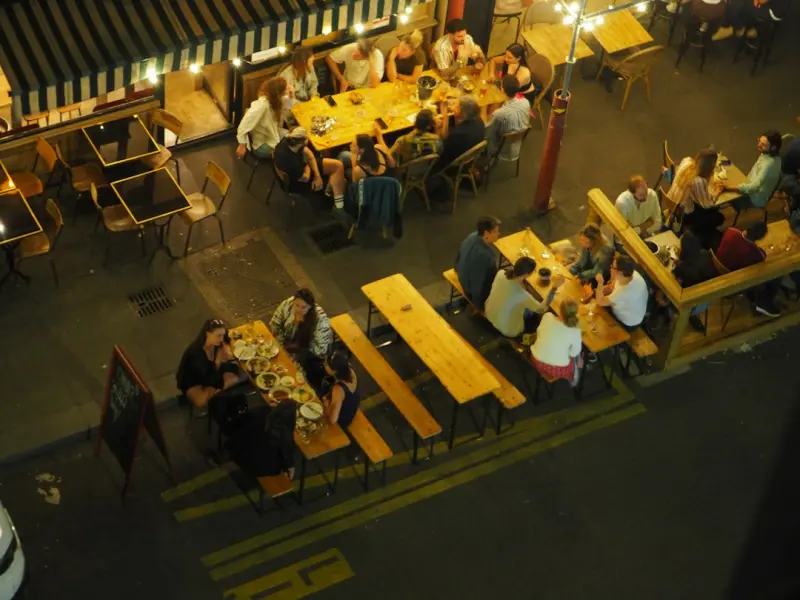
Gone are the days when a restaurant was simply a place to grab a bite on the way to somewhere else. Today, many establishments are positioning themselves as extensions of the neighborhood living room. Think of a coffee shop that hosts a weekly board‑game night, a farm‑to‑table restaurant that runs a community garden, or a rooftop bar that doubles as a weekend yoga studio. These “anchor experiences” turn casual visitors into regulars who feel a sense of belonging.
What drives this transformation? A combination of shifting consumer expectations and the realization that community loyalty outlasts any seasonal menu. When patrons see a space that reflects their values—be it sustainability, local art, or inclusive programming—they’re more likely to champion the brand both online and offline.
Subscription Dining: The New Loyalty Loop
Imagine paying a fixed monthly fee for a rotating selection of chef‑curated dishes, exclusive tasting events, and priority reservations. Subscription models, once the domain of streaming services, are now infiltrating the restaurant world. This approach offers two powerful benefits:
- Predictable cash flow for owners, allowing better inventory planning and reduced waste.
- A deeper relationship with diners, who feel they’re part of an exclusive club rather than just a transaction.
Some innovators are taking it a step further with tiered plans that include behind‑the‑scenes kitchen tours, virtual cooking classes, and even a share of the restaurant’s seasonal produce box. The result? A community that doesn’t just eat together but grows together.
Data‑Driven Menus: Personalization Meets Palate
Artificial intelligence isn’t just recommending movies; it’s now recommending meals. By analyzing past orders, dietary restrictions, and even local weather patterns, AI can suggest dishes that are both personalized and seasonally appropriate. Restaurants using predictive analytics can:
- Reduce over‑preparation and curb food waste.
- Increase average check size by nudging diners toward higher‑margin items that align with their preferences.
- Curate dynamic menus that evolve in real time, keeping the experience fresh for repeat guests.
While the technology sounds futuristic, many mid‑scale eateries are already partnering with SaaS platforms that provide a turnkey analytics dashboard. The key is to use data as a guide, not a dictator—human creativity still reigns supreme in the kitchen.
Multi‑Sensory Storytelling: Beyond Taste
Our senses are interconnected, and the most memorable meals tap into more than just flavor. Restaurateurs are experimenting with ambient soundscapes, curated lighting, and even subtle aromatics that complement the menu. A coastal seafood restaurant might infuse a hint of sea breeze into the dining room, while a forest‑themed venue could use muted pine aromas to enhance a foraged mushroom dish.
This sensory layering turns a dinner into a narrative journey. Guests aren’t just eating—they’re stepping into a story where each course acts as a chapter. When done well, the experience lingers long after the dessert plate is cleared, prompting diners to share their adventure on social media and, crucially, to return.
Ghost Kitchens Meet Pop‑Up Flexibility
The rise of delivery‑first ghost kitchens initially seemed like a threat to brick‑and‑mortar venues. However, many forward‑thinking restaurants are leveraging the concept as a testing ground for new concepts. By operating a low‑overhead kitchen solely for delivery, they can pilot menu items, gauge demand, and iterate quickly without the risk of a full‑scale launch.
When a concept proves popular, it graduates to a pop‑up in the main dining space, turning a virtual hit into a physical celebration. This hybrid approach provides the best of both worlds: the agility of a delivery‑only model and the experiential richness of an in‑person setting.
Reimagining Waste Management Without the Zero‑Waste Buzzword
While zero‑waste bars have made headlines, many restaurants are taking a subtler, more holistic approach to waste reduction. Instead of a grand proclamation, they focus on incremental improvements such as:
- Implementing precision ordering systems that align deliveries with real‑time inventory.
- Partnering with local composters for organic scraps, turning waste into a community resource.
- Offering diners a “right‑size” portion option, letting them choose a smaller plate if they’re not that hungry.
These steps, while less flashy, create measurable savings and reinforce a brand’s commitment to responsible stewardship.
From Fermentation to Flavor: The fermentation renaissance
Fermentation has slipped from a niche technique into a mainstream flavor driver. Chefs are using kimchi, miso, and kombucha not just as side dishes but as core ingredients that add depth and umami to everything from cocktails to desserts. The trend reflects a broader desire for complexity and authenticity in dining.
Beyond taste, fermented foods bring health benefits that align with the modern consumer’s wellness focus. When a restaurant highlights these benefits on the menu, it taps into a growing market segment that values functional food as much as flavorful food.
Visual Impact: The vibrant plating trends
Our eyes are the first to judge a dish. Vibrant, thoughtfully composed plates not only enhance the perceived freshness of food but also trigger a positive emotional response. Restaurateurs are collaborating with visual artists to design plates that serve as miniature canvases, turning each order into an Instagram‑ready masterpiece.
When diners share these visual delights online, they become organic ambassadors, expanding the restaurant’s reach without a single paid ad. The ripple effect can be profound, especially for establishments that rely on word‑of‑mouth and community buzz.
Reinventing Loyalty: From Points to Experiences
Traditional points‑based loyalty programs are losing their sparkle. Modern diners crave experiences over abstract rewards. Restaurants are responding with “experience‑based” loyalty, where frequent guests earn access to chef‑table tastings, private mixology sessions, or even a chance to co‑create a menu item.
These experiential rewards deepen emotional attachment and foster a sense of ownership. When a patron knows they helped shape the next seasonal menu, they’re more likely to return and to tell their friends about the unique involvement.
The Road Ahead: A Hybrid of Hospitality and Innovation
In the coming years, the restaurant of choice will be the one that masterfully blends community building, data‑driven operations, and multi‑sensory storytelling. It will be a place where a subscription feels like a membership, where every plate tells a story, and where technology serves to amplify—not replace—the human touch.
As we watch these trends unfold, my hope is that the industry continues to prioritize authenticity, inclusivity, and the simple joy of sharing a meal. After all, the most powerful ingredient in any dish is the connection it creates around the table.

Related Posts
Ghost Kitchens Unleashed: How Traditional Restaurants Can Ride the Delivery Wave
Ghost kitchens are reshaping the restaurant industry. Learn how traditional eateries can leverage de... Read More
Ghost Kitchens: Redefining Restaurant Real Estate and Reach
Ghost kitchens are turning the restaurant world upside down by eliminating dining rooms, slashing ov... Read More

Beyond the Plate: How Data, Ghost Kitchens, and Sensory Design Are Redefining Modern Restaurants
A deep dive into three emerging forces—data‑driven menus, ghost kitchen flexibility, and sensory... Read More
Top Posts

Crafting an Unforgettable Prom and Graduation Night on a Tight Budget
Learn how to plan a stunning prom or graduation celebration without overspending, using DIY décor, thrifted attire, and clever budgeting hacks....Read More

Silencing the Digital Storm: Reclaiming Mental Space in a Hyper‑Connected World
Discover actionable techniques—from micro‑pauses and soundscapes to ergonomic workspaces and clear digital boundaries—that help you regain mental clarity ...Read More

Data‑Driven Kitchen: Turning Numbers into Nostalgic Flavors
Learn how independent eateries can blend data analytics with culinary intuition to cut waste, optimize staffing, and craft profitable menus without losing their...Read More

Reimagining Urban Wellness: Community Gardens as Health Hubs
Community gardens are emerging as powerful health hubs, offering fresh produce, mental‑health benefits, sustainable waste practices, and economic opportunitie...Read More
0 Comments
Post Comment
You will need to Login or Register to comment on this post!