
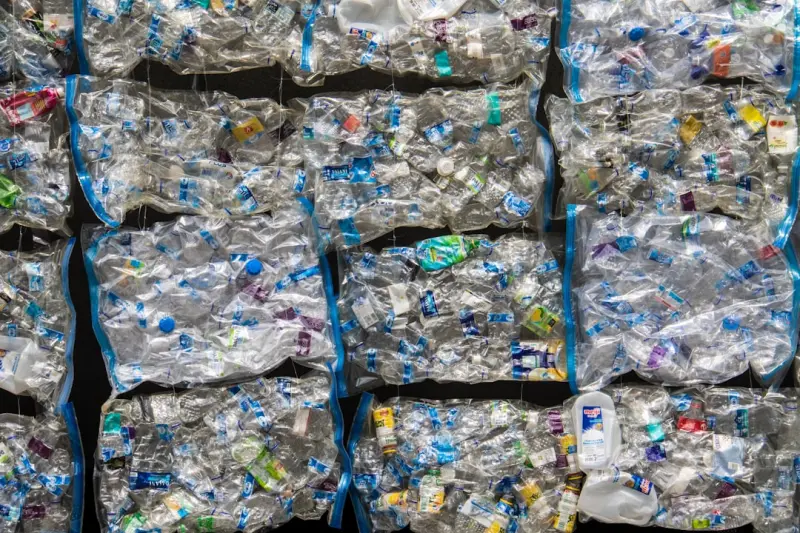
Edible Packaging: The Future of Sustainable Food Delivery
When I first unpacked a take‑out meal in a flimsy paper bag that fell apart the moment I lifted the lid, I felt a pang of disappointment. Not because the food was bad—far from it—but because the packaging seemed like an afterthought, a disposable wrapper for a world that’s already drowning in waste. That moment sparked a curiosity that’s been simmering ever since: could the very containers we use to transport food become part of the culinary experience, rather than a lingering piece of trash?
Welcome to the edible packaging revolution, a movement that’s quietly reshaping how chefs, brands, and consumers think about sustainability, flavor, and convenience. From seaweed‑based wraps that dissolve in a splash of water to cookie‑crust bowls that add a crunchy finish to soups, the possibilities are as limitless as a chef’s imagination. In this deep dive, I’ll explore the science behind edible packaging, highlight innovators pushing the envelope, and share practical ways you can experiment at home—no lab coat required.
The Science of Eating Your Wrapper
At its core, edible packaging is a marriage of food science and material engineering. The goal is simple: create a barrier that protects the food (from moisture, oxygen, and microbes) while being safe, tasty, and ideally, nutritionally beneficial. Achieving that trifecta involves a few key ingredients:
- Polysaccharides – Think agar, carrageenan, and pectin. These plant‑derived fibers form flexible films that can be flavored or left neutral.
- Proteins – Gelatin, whey, and even insect protein are being explored for their film‑forming properties, offering a different mouthfeel.
- Fats & Oils – Adding cocoa butter or coconut oil can give the packaging a glossy finish and improve barrier qualities.
- Flavorings & Add‑ins – Herbs, spices, and even fruit powders turn the wrapper into an extension of the dish.
When these components are combined in the right ratios, they create a thin, flexible sheet that can be molded, baked, or dried. The result? A product that’s sturdy enough to hold a salad, yet dissolves or melts away when you bite into it—adding texture and flavor that complement the main course.
Why Edible Packaging Matters More Than Ever
According to the World Bank, global packaging waste could reach 380 million tons by 2025. While many of those numbers are tied to single‑use plastics, the same trend applies to paper, cardboard, and even foil. Edible packaging offers three distinct benefits that address this crisis head‑on:
- Waste Reduction – If the wrapper is meant to be eaten, it never becomes litter.
- Carbon Footprint – Production of seaweed or plant‑based films typically requires less energy than petrochemical plastics.
- Enhanced Culinary Experience – Imagine a taco shell made from beet‑infused tortilla that adds a subtle sweetness, or a coffee cup that doubles as a biscuit.
Beyond the environmental impact, edible packaging also opens doors for creative branding. Companies can imprint logos using edible inks, or embed QR codes that dissolve in hot liquids, providing a seamless blend of marketing and product.
Trailblazers Turning Vision into Reality
While the concept might sound like sci‑fi, several startups and established brands are already turning edible packaging into commercial reality:
- Loliware – This San Francisco‑based company produces seaweed‑derived cups that are both biodegradable and edible. Their “Seaweed Cup” can hold cold beverages for up to 30 minutes before it starts to soften.
- NotCo – Leveraging AI to craft plant‑based products, NotCo recently launched a line of edible “wraps” made from a blend of pea protein and tapioca starch, designed to replace plastic sandwich bags.
- Bakery‑Inspired Bowls – Several artisanal bakeries across Europe have begun serving soups in crisp, cookie‑crust bowls that double as a dessert. The bowls are typically made from a mix of whole‑grain flour, butter, and herbs, offering a buttery crunch that pairs perfectly with broth.
- Fermented Films – Researchers at the University of British Columbia are experimenting with fermented kimchi juice as a base for thin films, giving the packaging a tangy flavor profile. This work ties neatly into the broader Fermentation Revival that’s sweeping home kitchens.
Each of these innovations underscores a common theme: edible packaging isn’t just about replacing plastic; it’s about enriching the food journey from start to finish.
From Concept to Kitchen: DIY Edible Wraps
If you’re a home cook (or a kitchen‑curious foodie) eager to experiment, you don’t need a lab. Here’s a simple recipe for a herb‑infused seaweed wrap that works beautifully for sushi‑style rolls, spring rolls, or even as a garnish for charcuterie.
Ingredients
- 1 cup dried nori sheets (available in Asian grocery stores)
- ¼ cup cold water
- 2 tablespoons olive oil
- 1 teaspoon finely chopped fresh rosemary
- ½ teaspoon sea salt
Instructions
- Lay a nori sheet on a clean surface. Lightly brush one side with olive oil.
- Sprinkle the rosemary and sea salt evenly over the oiled side.
- Cover the sheet with a damp kitchen towel and let it rest for 5 minutes. The oil helps the herbs adhere and softens the nori.
- Wrap your fillings (think avocado, cucumber, smoked salmon) and roll tightly. The wrapper will be pliable and will add a fragrant herb note as you bite.
These simple wrappers can be stored in an airtight container for up to a week, and they’re a perfect example of how edible packaging can be both functional and flavorful.
Edible Packaging Meets Plant‑Based Snacks
One of the most exciting intersections in the food space is where edible packaging dovetails with the rise of plant‑based snacks. The Snack Smarter article highlighted how innovative ingredients can deliver a satisfying crunch without relying on traditional grains. Imagine a snack that’s simultaneously a container: a crispy lentil‑based cup filled with hummus, or a beet‑infused wafer that holds a dollop of cashew cheese. These hybrids reduce the need for separate bowls or plates, cutting down on dishwashing and packaging waste.
Brands are already testing these concepts. A startup in Toronto launched “Crunch Cups” – thin, baked chickpea shells that can hold dips, soups, or even salads. The shells are seasoned with smoked paprika, delivering a flavor punch that enhances the filling rather than competing with it.
Challenges on the Road Ahead
Despite the hype, edible packaging faces several hurdles before it can dominate the market:
- Shelf Life – Unlike plastic, edible films can degrade quickly, especially when exposed to moisture. Preserving freshness without compromising edibility remains a technical challenge.
- Regulatory Landscape – Food safety regulations vary by region. Manufacturers must navigate labeling requirements, allergen declarations, and nutritional disclosures.
- Cost – Currently, edible packaging can be 2–3× more expensive than traditional alternatives. Scaling production and improving supply chains will be essential to bring prices down.
- Consumer Acceptance – Some diners may be skeptical about “eating the wrapper.” Education and clear communication about the benefits are crucial.
Nevertheless, each obstacle is a catalyst for innovation. For instance, researchers are exploring natural preservatives derived from rosemary extract to extend shelf life, while others are leveraging high‑pressure processing to sterilize films without heat.
Future Trends to Watch
Here are three trends that I believe will shape the edible packaging landscape over the next few years:
- Personalized Flavor Profiles – Just as AI‑driven menus are tailoring dishes to individual palates, edible packaging could be customized at the point of sale. Imagine a coffee cup that dissolves into a cinnamon‑spiced latte as you sip.
- Hybrid Materials – Combining biodegradable plastics with edible components could offer the best of both worlds: durability for transport, edibility at the moment of consumption.
- Closed‑Loop Food Systems – In a circular economy, waste from one product becomes input for another. Edible packaging made from surplus produce (like carrot pulp or apple peels) can turn food waste into valuable packaging, further closing the loop.
How You Can Be Part of the Change
Even if you’re not a chef in a Michelin‑starred kitchen, you can champion edible packaging in everyday life:
- Support Brands that use edible or compostable packaging. Look for certifications like “Certified Biodegradable” or “Edible Packaging” on product labels.
- DIY at Home – Try the herb‑infused seaweed wrap recipe above, or experiment with baking thin fruit leather sheets that can double as wrappers for cheese.
- Educate Your Circle – Share articles, host tasting sessions, or start a “Zero‑Waste Picnic” where every component, from napkins to containers, is edible.
In the grand tapestry of food sustainability, edible packaging is a vibrant thread that weaves together environmental stewardship, culinary creativity, and consumer empowerment. By reimagining the humble wrapper as a flavorful, nutritious part of the meal, we move one step closer to a future where every bite counts—both for our palates and for the planet.

Related Posts
Unlocking the Magic of Home Fermentation: From Kitchen Scraps to Flavorful Superfoods
Explore the world of home fermentation, learn essential tools, safety tips, and creative ways to tur... Read More

The Flavors of Rural America: A Culinary Journey Through the Heartland
Join me on a culinary journey through rural America, where you'll discover the best local flavors, f... Read More

Sipping the Seasons: Transform Your Home Bar with Fresh, Seasonal Cocktails
Explore the art of seasonal mixology with three signature cocktails, tips for sourcing fresh produce... Read More
Top Posts

National Hackathons Powering Climate Innovation
A new wave of nationwide hackathons is uniting tech talent, policymakers, and local communities to create climate‑focused solutions that are practical, scalab...Read More

Discover the Hidden Gems of Canadian Summer Adventures
Explore Canada's stunning landscapes, vibrant cities, and rich cultural heritage on a summer adventure. From hiking and camping to foodie tours and city getaway...Read More

Parental Warning: The Quiet Data Harvest in Kids’ Smart Speakers
Explores the unseen data collection and behavioral impacts of AI voice assistants in children’s rooms, offering practical steps for parents to safeguard priva...Read More

Guardians at the Gate: Canada’s Fight Against Election Disinformation
Canada is confronting a new wave of election disinformation with legislative reforms, platform partnerships, and citizen‑driven fact‑checking, forging a col...Read More
0 Comments
Post Comment
You will need to Login or Register to comment on this post!