
When AI Meets the Tassel: Reinventing Prom and Graduation for the Digital Age
There’s a strange kind of magic that hangs in the air the moment a senior class walks across the stage or the moment a group of friends steps onto the dance floor for prom. For decades, those moments have been captured in glossy yearbooks, framed photos, and a handful of heartfelt speeches. But today, as a millennial who still remembers the thrill of a handwritten invitation, I’m witnessing a seismic shift: technology is not just documenting the celebration—it’s fundamentally reshaping how we experience, share, and remember it.
In my own journey from the high‑school hallway to the corporate boardroom, I’ve learned that every rite of passage is a chance to ask a bigger question: how can we make this moment more inclusive, more personal, and more unforgettable? The answer, increasingly, is found in the intersection of artificial intelligence, augmented reality, and data‑driven personalization. Below, I’ll walk you through the five most disruptive trends that are turning the traditional prom and graduation into a hyper‑customizable, digitally immersive celebration.
1. Virtual Venues and Hybrid Ceremonies
Remember the first time you watched a live‑streamed concert? The same technology that let us binge a global music festival from a living‑room couch is now being repurposed for school ceremonies. Hybrid graduations—where a physical stage co‑exists with a virtual auditorium—are no longer a stop‑gap solution; they’re becoming the norm.
- Real‑time translation and subtitles. AI‑powered speech‑to‑text engines can automatically translate a valedictorian’s speech into multiple languages, ensuring that families abroad feel present.
- Interactive digital applause. Viewers can send live emojis, virtual confetti, or even a digital roar that syncs with the speaker’s moment on stage.
- Scalable attendance. A school of 500 students can now welcome 5,000 virtual guests without compromising audio‑visual quality, thanks to cloud‑based streaming platforms.
These hybrid experiences are more than a convenience; they democratize access. Students whose families can’t travel across provinces—or even countries—now get to share the spotlight in real time. It also opens up new revenue streams for schools, which can sell premium “virtual seat” packages that include backstage interviews, custom digital swag, and exclusive post‑ceremony networking rooms.
2. AI‑Generated Keepsakes: From Photo Albums to Memory Capsules
Think back to the yearbook committee’s painstaking process: collecting photos, designing layouts, proofreading captions. Today, generative AI can take a raw set of images and instantly produce a polished, themed album that feels hand‑crafted.
Platforms are already offering services where you upload a folder of prom photos, and the AI spits out a personalized storybook—complete with stylized captions, AI‑enhanced lighting, and even predictive “future you” illustrations. The same tech can be applied to graduation: imagine a digital capsule that not only stores photos but also integrates your GPA, extracurricular achievements, and a short video of your favorite high‑school memory, all woven together by a narrative engine that adapts its tone to your personality.
For parents and alumni, this means a one‑stop solution for preserving legacy without the endless scroll of disorganized cloud folders. For students, it’s a chance to curate their own narrative, choosing whether the tone is nostalgic, humorous, or aspirational. The AI doesn’t just automate; it amplifies the personal touch that we all crave in milestone moments.
3. Augmented Reality (AR) Dress‑Up and Décor
What if you could try on a prom dress without ever stepping into a fitting room? What if the venue’s walls could morph into a galaxy of stars, a vintage ballroom, or a neon‑lit cityscape—controlled by a simple swipe on your phone? AR is turning these fantasies into reality.
Several startups now offer personalized AI experiences for events, letting students overlay virtual gowns, tuxedos, or even themed accessories onto their live camera feed. The technology also extends to venue décor: an empty gym can instantly transform into a tropical oasis with floating lanterns, all projected through guests’ smartphones.
Beyond novelty, AR serves practical purposes. Accessibility‑focused AR filters can highlight wheelchair‑friendly routes, low‑light zones, or emergency exits for attendees with visual impairments. The result is an inclusive celebration that feels magical for everyone.
4. Data‑Driven Guest Curation and Seating
Seating charts have historically been a diplomatic nightmare—balancing friendships, rivalries, and the occasional “I’m not sitting next to the band nerd.” Now, machine learning can analyze social graphs (with proper consent, of course) to suggest optimal seating arrangements that maximize conversation flow and minimize awkward silences.
By integrating data from school social platforms, event RSVP forms, and even sentiment analysis of past interactions, algorithms can recommend tables based on shared interests, future career aspirations, or club affiliations. The same engine can flag potential conflicts—like two students who have a longstanding rivalry—allowing organizers to preemptively adjust seating.
In addition to the logistical win, this data‑driven approach gives students a subtle nudge toward networking opportunities that could shape their post‑high‑school paths. A future engineer might find themselves seated next to a budding entrepreneur, sparking a collaboration that lasts beyond graduation.
5. Sustainable (but Not Green‑Carpet) Digital Tokens and Gifting
While the “green carpet” angle has already been explored, there’s another sustainability frontier that’s quietly gaining traction: digital gifting through blockchain‑based tokens. Instead of traditional graduation gifts—think watches, money, or “Congrats” cards—students now receive non‑fungible tokens (NFTs) that represent unique experiences or memorabilia.
- Experience tokens. A token might grant a free coffee for a semester, a mentorship session with an alum, or a discount on a future online course.
- Collectible memories. Each token can embed a short video clip of the graduation speech, a 3‑second highlight reel, or a personalized message from a teacher, all stored immutably on the blockchain.
- Future resale. As alumni move forward in life, they can trade or gift these tokens, creating a living legacy that evolves with the class.
This model reduces physical waste and adds a layer of intergenerational value to the celebration. It also aligns with the digital‑first mindset of Gen Z, who already view virtual assets as tangible representations of status and achievement.
Putting It All Together: A Blueprint for the Next‑Gen Celebration
Imagine this scenario: The graduating class of 2027 logs into a custom event portal. Upon entering, they’re greeted by an AR‑enhanced lobby that reflects the school’s colors and mascot, projected onto their devices. They select a virtual outfit, instantly rendered on their avatar, and receive a QR code that unlocks a personalized AI‑generated memory capsule.
On ceremony day, the physical venue is equipped with high‑definition cameras that stream to a cloud platform, translating speeches into real‑time captions for international relatives. After the last diploma is handed out, the audience—both in‑person and virtual—shares a synchronized burst of digital confetti, while the AI algorithm updates each graduate’s seating chart for the post‑ceremony reception based on live conversation trends captured via sentiment analysis.
Finally, at the after‑party, students mingle in themed AR zones—one corner a beach sunset, another a retro arcade—while their smartphones buzz with newly earned digital tokens that promise future experiences. The night ends with a collective “memory flash” that compiles everyone’s favorite moments into a single, shareable video, automatically uploaded to the school’s alumni network.
This isn’t a far‑off fantasy; it’s a blueprint that many forward‑thinking schools are already piloting. The key takeaway? The future of prom and graduation isn’t about abandoning tradition—it’s about layering technology in a way that amplifies the emotional core of the event while expanding accessibility, personalization, and lasting impact.
Why It Matters for Educators and SaaS Leaders
From a SaaS perspective, these trends represent a fertile market for platforms that can integrate streaming, AR, AI‑generated content, and blockchain tokenization under one roof. Schools are looking for end‑to‑end solutions that reduce administrative overhead, improve stakeholder engagement, and create new revenue channels.
Moreover, the data generated—attendance metrics, sentiment scores, token transaction histories—offers a treasure trove for analytics. Schools can leverage this insight to refine future events, tailor alumni outreach, and even predict enrollment trends based on graduation engagement levels.
In short, the purpose‑driven journeys that begin at a high school hallway can now be mapped, measured, and magnified through technology. The stakes are high, but the rewards—more inclusive celebrations, richer memories, and new pathways for community building—are well worth the investment.
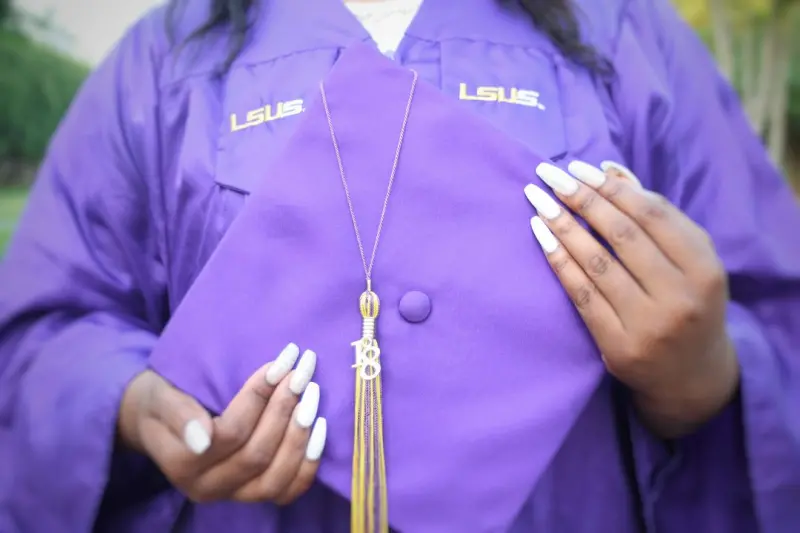
So, the next time you hear a student say, “I can’t wait for prom,” think beyond the dresses and décor. Think about the AI that will tailor that night to each individual, the AR world that will bring imagination to life, and the digital tokens that will turn a single night into a lifelong network. The tassel is not just a symbol of academic achievement; it’s becoming a beacon for a new, technologically empowered rite of passage.

Related Posts
Redefining Prom & Graduation: A Sustainable, Inclusive Playbook for the Modern Class
A fresh perspective on prom and graduation shows how sustainability, tech, inclusivity, and smart bu... Read More

Navigating the Emotional Landscape of Prom and Graduation
Prom and graduation are bittersweet moments that evoke a range of emotions. Explore the emotional la... Read More

Tech‑Savvy Prom & Graduation: Turning One Night Into a Lasting Digital Celebration
Blend tradition with technology—QR code invites, AR booths, AI playlists, and savvy budgeting—to... Read More
Top Posts

Beyond the Duty: Building Resilient SaaS Strategies Around Tariff Uncertainty
Tariffs are no longer a simple cost line‑item for SaaS businesses. This post explores how to map exposure, forecast duties, partner locally, and embed tariff ...Read More

Taco Fest Returns to Toronto for its Ninth Year: A Muy Caliente Culinary Celebration Awaits
Toronto's culinary landscape is about to get a whole lot spicier as Taco Fest, the city's beloved celebration of all things tortilla-wrapped, makes its highly a...Read More

Rail Romance: Rediscovering the Golden Age of Train Travel
Discover why trains are the hottest travel trend, offering sustainable, immersive experiences that blend luxury, culture, and adventure on the rails....Read More
Pop‑Up Paradises: How Temporary Destinations Are Redefining Travel
Pop‑up paradises—short‑lived, community‑driven travel installations—are transforming tourism by offering flexible, authentic, and eco‑friendly exper...Read More
0 Comments
Post Comment
You will need to Login or Register to comment on this post!