
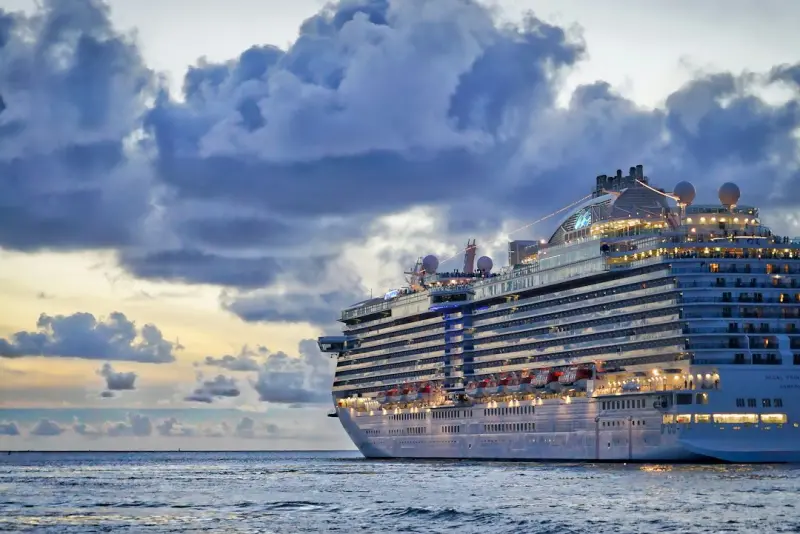
Personalized Voyages: How Data & AI Are Redefining Cruises and Bus Tours
There’s a quiet revolution humming beneath the polished decks of modern cruise ships and the sleek, reclining seats of long‑haul buses. It isn’t about bigger pools or more Wi‑Fi; it’s about turning every passenger into a co‑creator of the journey. As a lifelong wanderer who’s spent more time in ship cabins than most people spend in their own homes, I’ve watched the travel industry sprint from “one‑size‑fits‑all” itineraries to hyper‑personalized experiences that feel almost intimate. In this piece, I’ll peel back the layers of that transformation, explore the tech that makes it possible, and share practical ways operators can harness data without losing the soul of travel.
Why Personalization Matters—Beyond the Gimmick
Travel has always been emotional. We book a cruise to feel the sea breeze, we hop on a bus tour to hear a guide’s anecdotes. When the experience feels designed for you, the emotional payoff multiplies. Guests remember the moment the captain asked about their favorite childhood beach, or the bus driver recommended a hidden café that matched their love of vintage typography. Those memories turn a trip into a story they’ll retell for years.
But personalization isn’t a luxury add‑on; it’s becoming a baseline expectation. Millennials and Gen Z, raised on algorithmic feeds, now demand that the services they pay for anticipate their preferences. In the cruise and bus sectors—traditionally built on set routes and fixed menus—this shift is both a challenge and a massive opportunity.
The Data Engine: From Zero‑Party to Predictive Insights
At the heart of this shift lies data, but not just any data. The industry is moving from third‑party crumbs to zero‑party data—information that travelers willingly share, like favorite cuisines, preferred activity intensity, and even the music that gets them moving on a deck dance floor. When travelers feel they’re in control of the data they give, trust deepens.
To see how zero‑party data can be weaponized responsibly, check out the insights in Unlocking Customer Insight with Zero‑Party Data. The article breaks down concrete collection methods—pre‑trip preference surveys, interactive itinerary builders, and even in‑app mood sliders—that turn vague desires into actionable signals.
AI as the Invisible Concierge
Data alone is only half the story. The other half is the engine that processes it in real time: artificial intelligence. Imagine a cruise ship’s AI concierge that knows you prefer sunrise yoga on the open deck, a vegan brunch, and a quiet corner for reading. It nudges you with a gentle reminder the night before, “Your sunrise session starts at 6:15 am on Deck 3—shall we reserve a spot?” A similar system on a long‑distance bus could suggest a scenic stopover based on your love of waterfalls, automatically adjusting the route (when permissible) or offering a brief detour excursion.
For a concrete glimpse of AI already making waves, read When Your Phone Becomes a Tour Guide. That piece illustrates how smartphone‑based AI can act as a personal guide, translating the broader trend into something passengers can feel in their pockets.
Designing the Personalized Journey: A Step‑by‑Step Blueprint
Below is a practical framework that cruise lines and bus operators can adopt, regardless of budget or technical maturity.
- 1. Capture Intent Early. Deploy a short, engaging questionnaire during the booking flow. Ask not just “What cabin type?” but “What moment are you hoping to capture on this trip?” Use visual sliders to gauge interest in activity intensity, social interaction, and relaxation.
- 2. Build a Preference Profile. Consolidate answers into a dynamic profile stored in a secure, GDPR‑compliant vault. Tag each traveler with personas—Adventure Seeker, Culinary Curator, Wellness Wanderer—and allow them to edit preferences anytime via a mobile app.
- 3. Power Recommendations with AI. Feed the profiles into a recommendation engine that cross‑references ship or bus amenities, upcoming shore excursions, and on‑board events. The engine should output a ranked list of suggestions, each with a confidence score.
- 4. Communicate Proactively. Use push notifications, email, or in‑app messaging to deliver tailored suggestions. Keep the tone conversational; “Hey Alex, we noticed you loved the jazz night on your last cruise—this week we have a live sax session at sunset. Interested?”
- 5. Enable On‑Trip Adjustments. Allow travelers to tweak their itinerary on the fly. A bus tour app could let a passenger swap a museum stop for a local market, with real‑time route optimization.
- 6. Collect Feedback Loop. After each activity, prompt a quick rating (“Did this match your expectations?”). Feed the responses back into the AI model to improve future predictions.
Implementing this pipeline doesn’t require a full‑scale data lake from day one. Start small—perhaps just a preference survey for a flagship cruise—and expand as you see adoption.
Human Touch: The Counterbalance to Algorithms
Technology can’t replace the human spark that makes travel unforgettable. The most successful operators blend AI with real staff expertise. Think of a ship’s “Experience Host” who reviews AI‑generated suggestions and adds a personal twist—maybe recommending a hidden beach that isn’t on the standard itinerary but aligns perfectly with a guest’s love of snorkeling.
Similarly, bus tour drivers can be trained to recognize when a passenger’s profile signals a desire for quiet contemplation versus lively conversation, adjusting their commentary style accordingly. The goal is to let AI handle the heavy lifting of data crunching while humans deliver the warmth and spontaneity that machines can’t replicate.
Case Study: The “Tailor‑Made Atlantic” Cruise
One forward‑thinking line recently piloted a “Tailor‑Made Atlantic” itinerary. Prior to booking, guests completed a 5‑minute interactive quiz covering culinary preferences, activity level, and desired learning experiences. The AI then generated a personalized daily agenda that included:
- Chef‑led vegan cooking workshops on days when the traveler indicated a plant‑based diet.
- Early‑morning sunrise yoga on decks with the best horizon view, reserved automatically based on the traveler’s “wellness” score.
- Exclusive backstage passes to a shipboard jazz session for guests who marked “live music” as a priority.
Post‑trip surveys showed a 32% increase in Net Promoter Score compared to the line’s standard itineraries, and repeat bookings for the same passengers rose by 18%. The secret? A seamless blend of zero‑party data, AI recommendation, and human curation.
Scaling Personalization Across a Fleet
For bus operators covering dozens of routes, scaling personalized experiences may sound daunting. Yet, the same framework can be replicated across vehicles using cloud‑based AI services. Each bus becomes a “data node,” pulling from a central profile repository and pushing location‑specific suggestions—like “The historic lighthouse just 5 km ahead matches your love of maritime history.”
Key to scaling is:
- Standardized Data Schemas. Ensure every vehicle records the same data fields (e.g., passenger ID, preference tags).
- Edge Computing. Deploy lightweight AI models on the bus’s on‑board system to reduce latency.
- Modular Content. Create a library of micro‑experiences (audio snippets, short videos, local trivia) that can be stitched together based on the traveler’s profile.
Privacy, Ethics, and Trust
Collecting personal preferences raises legitimate privacy concerns. Operators must be transparent about what data is collected, why it’s needed, and how it will be used. Offer clear opt‑out mechanisms and adhere to regional data protection regulations. Building trust is a competitive advantage; travelers who feel safe sharing their preferences are more likely to become loyal customers.
Future Glimpses: What’s Next?
Looking ahead, we can expect a few exciting developments:
- Emotion‑Recognition Sensors. Wearables that detect stress levels could trigger on‑deck meditation sessions or adjust cabin lighting automatically.
- Mixed‑Reality Excursions. AR overlays that bring historical sites to life, customized to each passenger’s learning style.
- Dynamic Routing. For bus tours, real‑time traffic and weather data combined with passenger preferences could generate truly adaptive itineraries—think “skip the rainy museum, head to the indoor market instead.”
These innovations will deepen the partnership between technology and the timeless allure of travel. The sea will still whisper, the road will still roll, but the way we experience them will feel uniquely ours.
Action Checklist for Operators
Ready to start your personalization journey? Keep this checklist handy:
- Launch a pre‑booking preference survey.
- Secure a GDPR‑compliant data storage solution.
- Partner with an AI vendor or build an in‑house recommendation engine.
- Train staff to interpret AI suggestions and add human flair.
- Implement a feedback loop for continuous improvement.
- Communicate privacy policies clearly and honor opt‑outs.
By taking these steps, cruise lines and bus operators can turn every voyage into a story that feels hand‑crafted for each guest—while still operating at scale. The waves and highways are ready for a new kind of captain: one who steers with data, empathy, and a dash of daring curiosity.

Related Posts
Seamless Adventures: Merging Cruise Luxury with Modern Bus Tours
A deep dive into the emerging hybrid travel model that blends the luxury of cruising with the flexib... Read More
Beyond the Horizon: How Curated Journeys Are Transforming Cruise & Bus Travel
Travel is evolving from static packages to immersive, personalized narratives. This post reveals how... Read More

Sailing the Land: Crafting Unforgettable Cruise‑Bus Hybrid Journeys
Explore the art of merging sea voyages with scenic bus routes, offering seamless transitions, sustai... Read More
Top Posts
Fermented Foods: The Unexpected Ally for Modern Professionals
Fermented foods offer a low‑effort, high‑impact way to boost gut health, immunity, and mental clarity—perfect for busy professionals seeking sustainable n...Read More

Harvesting the Future: Data, Renewable Energy, and Community Power on Canadian Farms
Canadian farmers are turning to data-driven precision agriculture, renewable energy, and cooperative models to increase yields, cut costs, and build resilient, ...Read More

Why Marketers Must Embrace the Micro‑Ecosystem Revolution
Marketing is no longer about broad ads; it’s a dynamic micro‑ecosystem of influencers, AI, and purpose. Learn the new rules and how to win today....Read More

Screen-Free Sunrise: How Dropping Devices Boost Your Health
A screen‑free sunrise can reset your hormones, sharpen focus, and enhance well‑being. Follow practical steps to ditch devices at dawn and experience lasting...Read More
0 Comments
Post Comment
You will need to Login or Register to comment on this post!