

Imagine walking into a bustling downtown eatery and being greeted not just by a host, but by a digital concierge that already knows your favorite spice level, your dietary quirks, and the dish you’re craving before you even sit down. That isn’t a scene from a sci‑fi novel; it’s the emerging reality of AI‑powered restaurants. While the culinary world has long celebrated chefs as artists, a new breed of technologists is quietly reshaping the kitchen, the menu, and the entire guest journey with algorithms, sensors, and predictive analytics.
Why AI is No Longer a Gimmick but a Necessity
Restaurants have always operated on thin margins—often hovering between 3% and 7% net profit. The traditional levers of cost control—labor scheduling, inventory management, and menu pricing—are increasingly strained by volatile ingredient costs, shifting consumer preferences, and the relentless demand for speed. AI offers a lever that can pull all three simultaneously:
- Dynamic pricing: Machine‑learning models analyze real‑time supply chain data, foot traffic, and even weather patterns to adjust menu prices on the fly, ensuring each plate contributes maximally to the bottom line.
- Predictive staffing: Forecasting tools ingest reservation data, local events, and historical trends to schedule the right number of chefs and servers, reducing overtime while avoiding understaffed rushes.
- Menu optimization: By monitoring which dishes sell, which ingredients waste, and which flavor combinations delight guests, AI suggests menu tweaks that keep the offering fresh and profitable.
These capabilities go beyond the occasional “smart” POS upgrade; they represent a systemic shift where data becomes the sous‑chef.
Personalized Menus: From Static Print to Adaptive Screens
Traditional menus are static—a printed list of dishes that rarely changes outside of seasonal updates. Today, human‑first marketing principles are marrying personalization with gastronomy. Restaurants are deploying tablet‑based menus that adapt in real time:
- Flavor profiling: Guests can answer a quick three‑question survey (“Do you prefer sweet, salty, or umami?”) and the system surfaces dishes that match their palate.
- Dietary filters: Real‑time allergen alerts and nutrition facts appear instantly, reducing the risk of costly mistakes and enhancing trust.
- Upsell suggestions: AI recommends add‑ons—like a house‑made pickled vegetable that pairs with the chosen entrée—driven by profit margins and guest preferences.
Restaurants that have piloted adaptive menus report a 12% lift in average check size and a 20% reduction in order errors.
Supply Chain Transparency Through Data‑Driven Farming
The farm‑to‑table narrative has become a buzzword, but without visibility into the upstream journey, it can feel like marketing fluff. Enter data‑driven farming. Sensors in fields capture soil moisture, temperature, and growth rates, feeding data back to the restaurant’s procurement platform. The benefits are twofold:
- Cost predictability: Knowing exactly when a crop will peak allows chefs to lock in prices early, sidestepping price spikes caused by weather events.
- Sustainability tracking: Restaurants can showcase real‑time carbon footprints for each ingredient, appealing to eco‑conscious diners and differentiating the brand.
One mid‑size bistro in Toronto partnered with a sensor‑enabled blueberry farm and cut its fruit waste by 30% while promoting a “traceable blueberry salad” that became a social media sensation.
Ghost Kitchens Get a Brain Boost
Ghost kitchens—commercial cooking spaces dedicated solely to delivery—have exploded in the past few years. Yet many operate on a “cook‑once, hope‑for‑the‑best” model. AI is changing that by turning ghost kitchens into data hubs:
- Demand forecasting: Algorithms predict order volumes for each hour, allowing kitchens to prep the exact quantities needed, reducing over‑production.
- Menu modularity: Dishes are broken into components that can be recombined on demand, enabling a single kitchen to serve multiple virtual brands efficiently.
- Real‑time routing: Integration with delivery platforms optimizes driver routes based on traffic, weather, and order density, cutting delivery times.
The result? Faster delivery, fresher food, and a dramatically lower cost per order.
From Kitchen Waste to Circular Innovation
While the industry has seen a surge in zero‑waste mixology, the concept can be expanded beyond the bar. Restaurants are now treating kitchen scraps as raw material for new products:
- Vegetable pulp: Used to make nutrient‑dense soups or as a base for plant‑based protein.
- Fruit peels: Fermented into natural cleaning agents or flavor extracts.
- Stale bread: Transformed into croutons or breadcrumbs, sold as a side product to local bakeries.
These circular practices not only cut waste disposal costs but also open new revenue streams, reinforcing a brand’s sustainability narrative.
AI-Enabled Guest Experience: The New Front of Service
Service excellence has always hinged on human intuition—reading body language, anticipating needs, and delivering warmth. AI augments, rather than replaces, that intuition:
- Sentiment analysis: Voice‑activated tableside assistants gauge guest satisfaction in real time, prompting staff to intervene if frustration spikes.
- Table turnover prediction: Algorithms suggest optimal timing for clearing plates, ensuring a smooth flow without making guests feel rushed.
- Personalized follow‑ups: Post‑dining emails include AI‑curated recipe cards of the dishes enjoyed, fostering loyalty.
Early adopters report a 15% increase in repeat bookings within three months of implementation.
Challenges and Ethical Considerations
With great data comes great responsibility. Restaurants must navigate several pitfalls:
- Privacy: Collecting dietary preferences and purchase histories requires clear consent and robust data protection.
- Algorithmic bias: If training data skews toward a particular demographic, recommendations may inadvertently alienate others.
- Chef creativity: Over‑reliance on AI can stifle the artistic spark that defines memorable cuisine. The key is to use AI as a tool, not a dictator.
Transparent communication with guests about how their data improves service can turn potential concerns into trust‑building opportunities.
Roadmap for Restaurateurs Ready to Embrace AI
Transitioning from a traditional kitchen to an AI‑enabled operation doesn’t happen overnight. Here’s a practical roadmap:
- Start with data collection: Implement a robust POS that captures itemized sales, labor hours, and waste metrics.
- Partner with a tech provider: Choose a vendor that specializes in hospitality AI, ensuring integration with existing systems.
- Pilot a single use case: Begin with predictive staffing or dynamic pricing before expanding to full menu personalization.
- Train staff: Provide hands‑on workshops so the front‑of‑house and kitchen teams understand the new tools.
- Iterate and scale: Use feedback loops to refine models, then gradually roll out additional features like AI‑driven supply chain visibility.
By following these steps, even modest independent eateries can harness the power of AI without the need for a multi‑million‑dollar tech budget.
The Future: A Seamless Blend of Human Touch and Machine Insight
The ultimate vision isn’t a cold, robotic dining experience. It’s a harmonious blend where technology handles the repetitive, data‑heavy tasks, freeing chefs and servers to focus on storytelling, craftsmanship, and genuine hospitality. As AI continues to mature, we’ll likely see:
- Hyper‑local flavor maps: AI curates dishes based on the terroir of ingredients sourced within a ten‑kilometer radius.
- Immersive AR plating: Diners use smartphones to view a virtual narrative overlay that explains the dish’s origins and preparation.
- Zero‑carbon kitchens: Predictive energy management systems adjust cooking times and equipment usage to minimize carbon output.
When technology and tradition find common ground, the restaurant industry can finally deliver on the promise of unforgettable meals that are profitable, sustainable, and deeply personal.

Related Posts

Personalized Palates: How AI and AR Are Redefining the Restaurant Experience
Discover how restaurants are using AI to tailor menus and augmented reality to tell ingredient stori... Read More
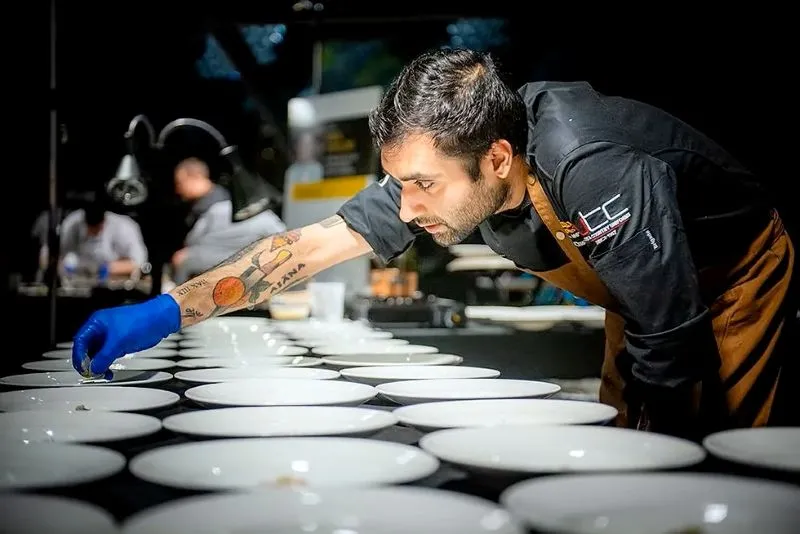
Ottawa on the Rise: Discover Four of Canada's Top Restaurants
Ottawa might be known for its Parliament buildings and historical significance, but a culinary revol... Read More

Dining in 2024: Shawn DesRochers’s Inside Look at the Hottest Restaurant Waves
Shawn DesRochers reveals how technology, community focus, and sustainability are redefining restaura... Read More
Top Posts

Bridging the Gap: Tele‑Health Innovations for Canada’s Remote Communities
A deep dive into groundbreaking tele‑health solutions—culturally‑responsive virtual clinics, satellite broadband hubs, and AI diagnostics—shaping equita...Read More

Curating a Cozy Canadian Home: Seasonal Secrets and Personal Sanctuaries
Explore fresh ways to make your Canadian home cozy all year, from seasonal décor and local crafts to turning hidden corners into personal retreats....Read More

Hybrid Horizons: Blending Cruise Luxury with Sustainable Bus Adventures
Discover how blending cruise elegance with eco‑friendly bus tours creates immersive, sustainable adventures that connect sea, land, and local culture for mode...Read More

Beyond the Popular Piers: Discover Ontario’s Hidden Fishing Havens
A guide to Ontario’s off‑the‑radar fishing locations, offering tips, gear recommendations, and sustainable practices that turn a simple cast into an unfor...Read More
0 Comments
Post Comment
You will need to Login or Register to comment on this post!