
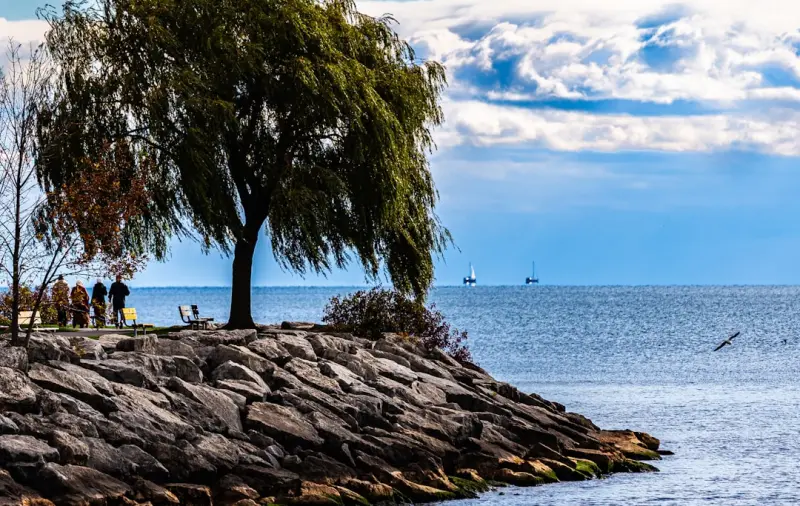
Ontario’s shoreline stretches for thousands of kilometres, yet most anglers still chart their adventures around the same well‑trodden lakes and rivers. The truth is, a treasure trove of quieter waters waits just beyond the usual hotspots—places where the fish are abundant, the crowds are scarce, and the experience feels almost timeless. In this guide I’m pulling back the curtain on those hidden gems, sharing practical tips, local lore, and sustainable practices that will transform your next outing from a routine cast to an unforgettable discovery.
Why the Road Less Traveled Matters
There’s an undeniable thrill in pulling a trophy trout from a secluded creek at dawn, but the benefits extend far beyond the adrenaline rush. First, less‑fished waters often host healthier fish populations because they experience reduced pressure from over‑harvesting. Second, the serene surroundings provide a natural antidote to the stress of modern life—an unplugged form of micro‑wellness that’s hard to replicate in a bustling marina.
Speaking of micro‑wellness, a recent article highlighted how tiny daily actions that boost well‑being can dramatically improve mental clarity. A morning spent on a quiet lake, breathing in crisp air while waiting for a bite, is a perfect embodiment of that principle.
Mapping Ontario’s Under‑Explored Waters
Below is a curated list of lesser‑known spots, organized by region. Each entry includes the type of fish you’re likely to encounter, access tips, and a brief note on the local environment.
- North‑East: Lake Temagami’s Hidden Inlets – While the main lake attracts many, the narrow inlets near the east shore remain tranquil. Expect brook trout and smallmouth bass. A short hike from the Temagami River trail leads you to a secluded cove that’s perfect for fly fishing.
- South‑West: St. Clair River’s Quiet Channels – The main channel sees heavy commercial traffic, but the side channels near Port Lambton are a haven for walleye and perch. Launch from the modest public dock and drift downstream with the gentle current.
- Central: The Elzevir River – Nestled between the Kawartha Lakes, this river is a gem for those after steelhead in the fall. Its forested banks provide ample cover for fish, and the low angler density makes it ideal for patient casting.
- East: The Bay of Quinte’s Lesser Bays – While the main bay is famed for salmon, the smaller coves near Brighton host thriving populations of smallmouth bass and northern pike. Access via the local boat launch and explore the quiet backwaters.
- West: Lake Simcoe’s Hidden North Shore – The northern shoreline near Orillia is dotted with secluded coves less frequented by tourists. It’s a solid spot for catching lake trout, especially during early spring when water temperatures drop.
How to Reach These Spots Without Getting Lost
Finding hidden fishing locations often feels like a treasure hunt. Here are some practical strategies to ensure you arrive prepared:
- Leverage local knowledge. Small community forums, local bait‑and‑tackle shops, and even municipal recreation departments often have maps or tips that aren’t published online.
- Use GPS waypoints. Many anglers share coordinates on platforms like Fishbrain. Save a few to your device and cross‑reference with satellite imagery to verify access routes.
- Plan for variable road conditions. Rural access roads can be gravel, uneven, or seasonally closed. A vehicle with higher clearance or a reliable all‑season tire set can be a lifesaver.
- Pack essentials. Even short trips require water, snacks, a first‑aid kit, and a portable toilet solution. Remember that many of these locations lack facilities.
Respecting the Ecosystem: Sustainable Angling Practices
When you venture into pristine, lightly fished environments, you become a steward of that very tranquility. Here are a few best‑practice guidelines:
- Practice catch‑and‑release with care. Use barbless hooks, handle fish with wet hands, and keep them in the water as much as possible.
- Leave no trace. Pack out everything you bring in—trash, fishing line, and bait containers. Even small pieces of line can entangle wildlife.
- Mind the seasonal closures. Certain tributaries are protected during spawning periods. Respect signage and local advisories to preserve breeding cycles.
- Support community‑first health initiatives. Many rural towns rely on tourism and angling for economic health. When you buy locally sourced bait or rent equipment from community‑run outfitters, you help sustain both the environment and the local economy. Learn more about those efforts in community‑first health initiatives.
Gear Recommendations for the Unplugged Angler
Fishing in remote areas often means you can’t rely on nearby stores for last‑minute gear swaps. Here’s a compact checklist that balances performance with portability:
- Lightweight, telescopic rods. A 7‑foot medium‑action rod that collapses to 3 feet fits easily in a car trunk or backpack.
- Multi‑function tackle box. Look for compartments that separate lures, flies, and terminal tackle to stay organized on the go.
- Portable water filtration. Even if you’re near a lake, drinking water straight from the source isn’t advisable. A small filter bottle ensures safe hydration.
- Weather‑resistant clothing. Ontario’s weather can shift quickly. Layered, breathable fabrics with a waterproof outer shell keep you comfortable.
- Eco‑friendly bait alternatives. Consider using locally sourced insects or artificial lures that reduce pressure on natural bait populations.
Seasonal Strategies: When to Cast for Specific Species
Understanding the seasonal rhythms of Ontario’s waters gives you a tactical edge. Below is a quick guide to timing your trips based on target species:
- Spring (April‑May): Lake trout and walleye move into shallower feeding grounds. Early mornings on the north shore of Lake Simcoe are ideal.
- Summer (June‑August): Brook trout seek cooler, deeper runs. The Elzevir River’s shaded sections become prime spots.
- Fall (September‑October): Steelhead and salmon run up the St. Clair River’s side channels—perfect for drift fishing with a spinner.
- Winter (December‑February): Ice fishing opens new possibilities. Lake Temagami’s hidden inlets freeze slower, creating safe, fish‑rich ice holes.
Stories from the Shore: Local Legends and Lore
Every secluded lake has a story, and those narratives often deepen the connection you feel to the water. Here are a couple of favorite tales from anglers who have walked the paths less taken:
The “Ghost Trout” of the Elzevir River. Legend says a massive trout, over 30 inches, haunts the upper bends after a severe storm in the 1970s. While many dismiss it as myth, a handful of anglers swear they’ve seen a silver flash darting upstream just before sunrise.
Lake Temagami’s “Whispering Cove.” Local Indigenous communities speak of a cove where the wind carries the voices of ancestors. Anglers report that the water is unusually clear there, and the fish seem unusually eager to bite—perhaps the spirits are guiding them.
Integrating the Experience Into Everyday Life
While a weekend escape is a luxury, the principles you learn on the water can translate to daily well‑being. The patience, focus, and reverence for nature that develop during a quiet cast can improve concentration at work, reduce stress, and enhance creativity. In fact, research shows that time spent in natural settings can boost problem‑solving abilities by up to 20%.
To make the most of these benefits, consider a “micro‑escape” routine: schedule a brief, early‑morning fishing session once a month, even if it’s just on a nearby lake. The routine not only nurtures your skill set but also reinforces the mental health advantages highlighted in our earlier discussion about tiny daily actions.
Final Thoughts: Embrace the Unknown
Ontario’s fishing heritage is rich, but it’s the unexplored chapters that truly excite me. By stepping off the beaten path, you’ll discover not only new fish but also a deeper connection to the province’s diverse ecosystems and the communities that protect them. Pack your gear, respect the environment, and let the quiet waters teach you something new each time you cast.
Ready to chart your own hidden‑spot adventure? Grab a map, reach out to local outfitters, and remember that the best catches often come when you’re willing to wander a little farther off the trail.

Related Posts
Ontario Ice Fishing Festivals: Community, Cuisine, and Cold‑Weather Adventure
Explore the vibrant world of Ontario’s ice fishing festivals, where anglers, chefs, musicians, and... Read More
Ontario’s Catch‑and‑Release Revolution: Protecting Our Waters One Cast at a Time
Ontario’s catch‑and‑release movement is reshaping angling culture. Learn the science, gear, an... Read More
Hidden Waters: Discover Ontario’s Secret Fishing Spots and Night‑Time Tactics
Dive into Ontario’s hidden fishing gems, learn night‑time techniques, and adopt low‑impact gea... Read More
Top Posts
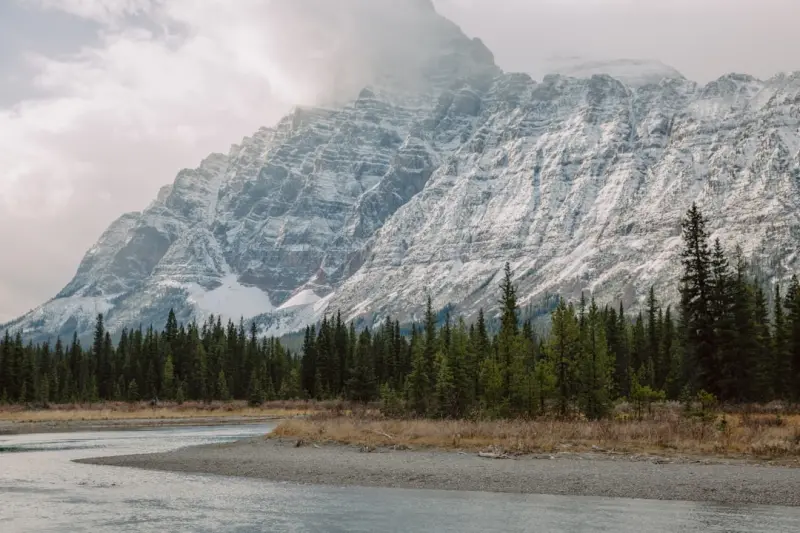
Rediscovering Canada’s National Parks: A Community‑Driven Renaissance
A fresh look at Canada’s national parks reveals a community‑driven renaissance, where locals, Indigenous peoples, and adaptable policies join forces to prot...Read More

Data Trusts and Community Care: A Fresh Blueprint for Canadian Health
A deep dive into how data trusts, combined with community health hubs, can transform Canadian healthcare by enhancing privacy, reducing costs, and ensuring equi...Read More
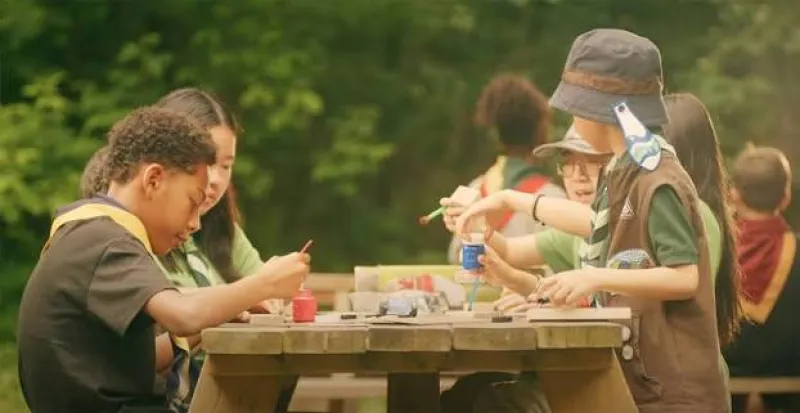
Scouts Canada Launches National Contest: Calling on Kids to Create Canada's Next Great Superhero!
OTTAWA, ON – June 3, 2025 /CNW/ – In a time when national pride is soaring and Canadians are showcasing their unique spirit, Scouts Canada, the coun...Read More

VR Healing: Redefining Chronic Pain Care
Virtual reality is emerging as a powerful, non‑pharmacological tool for chronic pain, offering immersive experiences that distract the brain, lower pain score...Read More
0 Comments
Post Comment
You will need to Login or Register to comment on this post!