
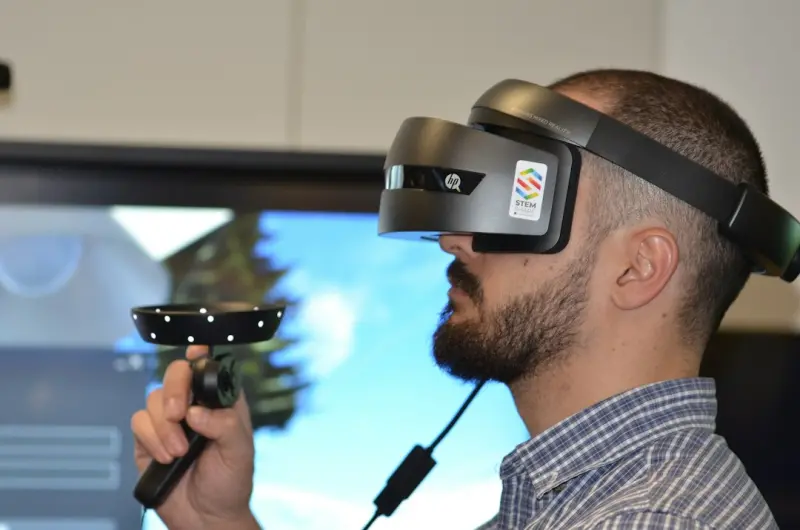
When Augmented Reality Meets the Plate: Redefining Restaurant Experiences
Walking into a restaurant used to be a straightforward affair: you glance at the menu, place an order, and wait for the kitchen to deliver. Today, that ritual is evolving into a multisensory adventure, where the boundary between the physical and the digital blurs. I’ve spent the last decade hopping from bustling bistros to quiet cafés, and what I’m seeing now is a wave of augmented reality (AR) innovations that promise to change how we order, taste, and remember a meal.
Why the Industry Is Ready for AR
Restaurants have always been quick to adopt tools that make service smoother and guests happier. From point‑of‑sale tablets to contactless payments, each technology aimed at reducing friction. AR arrives at a moment when diners crave not only speed but also storytelling. The modern palate is curious; people want to know the provenance of ingredients, the inspiration behind a dish, and the cultural tapestry woven into each bite. AR answers that call by overlaying visual narratives directly onto the table.
- Instant visualisation: Guests can see a 3‑D rendering of a dish before committing.
- Interactive sourcing maps: A tap reveals where a tomato traveled from farm to fork, linking to local sourcing strategies.
- Gamified experiences: Loyalty points pop up as virtual badges when diners complete a tasting quest.
These benefits aren’t just gimmicks. They translate into higher check averages, reduced plate waste, and deeper brand loyalty. When a guest feels a connection to a dish, they’re more likely to return—and to tell friends.
The Core Components of an AR‑Enhanced Table
Implementing AR doesn’t require a complete overhaul of your kitchen. It starts with three core components:
- Hardware: A sturdy, low‑latency tablet or a sleek AR headset. Many establishments prefer handheld devices because they’re familiar to guests and easier to sanitise.
- Software Platform: A cloud‑based content management system that stores 3‑D models, videos, and textual stories. The platform should integrate with your existing reservation and order‑management systems.
- Content Creation: High‑quality visuals and narratives crafted by chefs, photographers, and storytellers. Authenticity is key—overly polished content can feel disconnected.
When these pieces align, the dining table transforms into a canvas for culinary storytelling.
From Menu to Immersive Journey
Imagine sitting down and pointing your device at the menu. A steaming bowl of ramen springs to life in holographic form, steam curling upwards as if you could reach out and taste it. As you tilt the device, you can rotate the bowl, see each ingredient highlighted, and even watch a short clip of the chef hand‑pulling noodles in a bustling kitchen.
Beyond visual flair, AR can provide nutritional insights for health‑conscious diners. By tapping an icon, the system displays calorie counts, allergen alerts, and suggested wine pairings—all without breaking the flow of conversation.
Storytelling That Sticks
One of the most powerful aspects of AR is its ability to embed stories into food. Take a dish that uses a heirloom grain rescued from a local farmer’s field. An AR overlay can showcase a short documentary of that farmer, the challenges of preserving heritage crops, and the sustainable practices that brought the grain to your plate. This depth of narrative turns a simple entrée into a memorable episode in a diner’s personal culinary diary.
Such storytelling isn’t limited to heritage items. Even modern, experimental plates can be given context. A chef’s inspiration drawn from a recent trip to a coastal village can be visualised through panoramic photographs and ambient sounds, creating a sense of place that travels beyond the restaurant walls.
Enhancing Service Efficiency
From a back‑of‑house perspective, AR can streamline operations in subtle but impactful ways. Waitstaff equipped with AR glasses receive real‑time order updates, table‑specific notes, and even suggestions for upselling based on what guests have already tried. This reduces the need for frantic shouting across the dining room and minimises errors.
For the kitchen, AR can act as a visual checklist. When a special dish is ordered, the prep station receives an overlay of the plating blueprint, ensuring consistency across shifts. This visual guidance helps maintain quality, especially when turnover is high.
Balancing Technology and Human Touch
Critics often warn that technology can sterilise the dining experience. The key is to use AR as an enhancer, not a replacement for human connection. The best restaurants I’ve visited blend AR moments with genuine hospitality. A server might guide a guest through the AR tour, answer questions, and add personal anecdotes that the digital layer cannot replicate.
Training staff to be comfortable with the technology is essential. Role‑playing scenarios where servers explain the AR features, troubleshoot common hiccups, and transition smoothly back to conversation ensures that the tech feels like an extension of the service, not a barrier.
Practical Steps to Pilot AR in Your Establishment
If you’re intrigued but cautious, start small:
- Identify a flagship dish: Choose a menu item with a compelling backstory or visual appeal.
- Partner with a local creator: Work with a photographer or 3‑D artist familiar with food aesthetics.
- Test with a focus group: Invite loyal patrons to experience the prototype and gather feedback.
- Measure impact: Track metrics such as average check size, repeat visit rate, and time spent at the table.
- Iterate and expand: Use insights to refine the experience before rolling out to more dishes.
This approach limits risk while providing tangible data to justify further investment.
Case Studies: Early Adopters Leading the Way
While many restaurants are still in the experimental phase, a few have already made headlines for their inventive use of AR:
- Nordic Bistro in Vancouver: Utilises AR to showcase the journey of Atlantic salmon from icy waters to the plate, increasing sales of the featured dish by 18%.
- Urban Tapas Bar in Toronto: Offers a “flavour map” where diners can explore spice origins via interactive globes, boosting cocktail pairings by 22%.
- Coastal Grill in Halifax: Integrates a virtual wine cellar, letting patrons swirl, sniff, and learn about vintages without opening a single bottle, which has driven wine list turnover.
These examples demonstrate that AR can be tailored to various cuisines and service models, from fine‑dining establishments to casual eateries.
Integrating AR with Sustainability Goals
AR can also be a conduit for sustainability messaging. By visually tracing a dish’s carbon footprint, restaurants can educate diners on the environmental impact of their choices. Some establishments overlay a simple badge indicating “low‑impact” or “seasonally sourced,” turning transparency into a competitive advantage.
Furthermore, AR can help reduce food waste. When guests see a realistic 3‑D portion, they may be more likely to order an appropriate amount, decreasing leftover plates. Some platforms even allow diners to customise portion size in real time, aligning with waste‑reduction initiatives.
Future Possibilities: Beyond the Plate
Looking ahead, AR could merge with other emerging technologies. Imagine a table that recognises a guest’s facial expression and adjusts ambience lighting to complement the mood of the dish. Or a scenario where AR interacts with smart tables that vibrate gently to mimic the texture of a dessert, creating a full‑body sensory experience.
Another exciting frontier is the integration of AR with loyalty programmes. Virtual tokens earned from completing AR challenges could be redeemed for exclusive menu items or behind‑the‑scenes kitchen tours, deepening the guest‑brand relationship.
Potential Pitfalls and How to Avoid Them
Even the most promising technology can stumble if mishandled. Common challenges include:
- Technical glitches: Ensure reliable Wi‑Fi and conduct regular hardware maintenance.
- Content overload: Keep AR experiences concise; overly long videos can disrupt the flow of the meal.
- Accessibility concerns: Provide alternative formats for guests who prefer traditional menus or have visual impairments.
- Cost management: Start with a pilot to gauge ROI before committing to a full‑scale rollout.
By addressing these issues early, restaurants can safeguard the guest experience while reaping the benefits of AR.
Conclusion: A New Chapter in Dining Storytelling
Augmented reality offers restaurants a powerful tool to deepen engagement, showcase authenticity, and differentiate in a crowded market. When implemented thoughtfully, it enhances—not replaces—the human touch that makes dining memorable. As we move forward, the establishments that blend technology with genuine culinary passion will lead the conversation, turning each meal into a story that diners carry with them long after the plates are cleared.
Ready to explore this frontier? Start by mapping the story of your signature dish, partner with a creative technologist, and let your guests step into a world where the menu comes alive.

Related Posts

Beyond the Plate: AR Is Redefining Dining
Augmented reality menus are turning ordinary meals into interactive stories, helping restaurants boo... Read More
The Secret Ingredient You’ve Been Ignoring: Restaurant Sound Design
Explore why sound is the invisible seasoning in dining. Learn science‑backed strategies, tech tool... Read More
How AI is Rewriting the Restaurant Playbook: From Menu Curation to Zero‑Waste Kitchens
The post examines AI-driven menu personalization, predictive waste reduction, ghost kitchens, and im... Read More
Top Posts
Charting Connection: How Community‑Focused Cruises and Bus Tours Redefine the Travel Experience
Discover the hidden magic of group voyages—where sensory richness, proactive wellness, and community storytelling turn ordinary cruises and bus tours into unf...Read More

The Legal Playbook for Managing a Distributed Remote Workforce in Canada
Remote work reshapes legal obligations across provinces and borders. This guide outlines contract updates, tax considerations, health‑and‑safety duties, and...Read More

The Tariff Tango: A Delicate Balance for Canadian Farmers
The tariff tango is a complex dance of tariffs, quotas, and trade agreements that have left many Canadian farmers struggling to stay afloat. Learn how these cha...Read More
Fermented Cocktails: The Next Frontier of Flavor Innovation
Fermentation is reshaping the cocktail scene, offering complex flavors, health benefits, and sustainable practices. Learn how data, AI, and DIY kits are empower...Read More
0 Comments
Post Comment
You will need to Login or Register to comment on this post!