
The Ghost Kitchen Revolution: How Restaurants Are Turning Invisible Space into Real Revenue
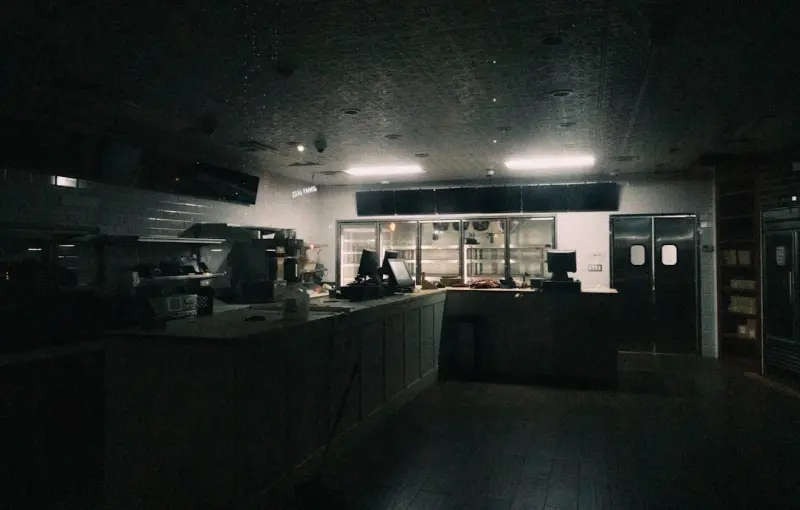
When I first walked into a downtown loft that smelled like nothing but freshly brewed espresso and ambition, I thought I’d found the next big thing in urban dining. The kitchen was empty, the dining room a sleek, Instagram‑ready backdrop, and the menu displayed on a single tablet. The owner told me, “We’re a restaurant without a restaurant.” That’s the essence of the ghost kitchen: a culinary operation that exists solely for delivery, hidden behind a façade of data, logistics, and a new kind of brand identity.
Ghost kitchens—also known as cloud, dark, or virtual kitchens—are not just a fad; they’re a structural shift in how food reaches consumers. In an era where convenience beats ambience, and where the average consumer places an order before they even step out of the house, the traditional brick‑and‑mortar model is being challenged. But unlike the pop‑up restaurant movement, which leans on novelty and temporary hype, ghost kitchens are built on permanence, scalability, and data‑driven optimization.
From Real Estate to Real Revenue: The Economics of Invisible Kitchens
The most compelling argument for a ghost kitchen is cost. A typical sit‑down restaurant spends roughly 30‑40 % of its budget on rent, utilities, and front‑of‑house staff. Ghost kitchens strip away the front‑of‑house entirely, allowing operators to lease industrial spaces at a fraction of the cost. Those savings translate directly into lower menu prices, higher margins, or both.
- Lower Fixed Overhead: Without a dining room, the square footage required drops dramatically. A 2,000‑square‑foot warehouse can house three to five distinct brands, each with its own menu and branding.
- Flexible Staffing: Kitchen staff can be cross‑trained to handle multiple brands, reducing labor redundancy.
- Dynamic Pricing: Real‑time data on demand spikes (late‑night cravings, weekend brunch surges) lets operators adjust prices on the fly without the stigma of “price gouging” that plagues traditional menus.
In my consulting work, I’ve seen operators who once struggled to break even on a 3,000‑square‑foot storefront turn profitable within three months after moving to a ghost kitchen model. The math is simple: cut the rent, double the output, and let the delivery platforms do the heavy lifting of customer acquisition.
The Technology Stack: Why Restaurants Need SaaS Solutions
Running multiple virtual brands from a single kitchen is a logistical nightmare without the right software. Order aggregation platforms, inventory management tools, and AI‑powered demand forecasting are now as essential as a good chef’s knife. Think of it as a smart savings playbook for the kitchen: each SaaS solution trims waste, predicts the next best‑selling dish, and automates the supply chain.
For example, a cloud kitchen can integrate a single POS system that routes orders from DoorDash, Uber Eats, and Grubhub into one unified ticket. The system then cross‑references inventory levels, adjusting prep times to avoid bottlenecks. Meanwhile, AI models analyze historical order data to suggest when to add a limited‑time offer—perhaps a spicy chicken sandwich just before the Super Bowl—maximizing both relevance and profit.
Because these tools are subscription‑based, they also fit nicely into the ghost kitchen’s cash‑flow model. Operators can scale their software stack as they add new brands, paying only for what they use. This elasticity mirrors the very essence of the ghost kitchen: a business that expands or contracts without the physical constraints of a traditional dining room.
Branding in the Void: Creating Identity Without a Physical Space
One of the biggest misconceptions about ghost kitchens is that a lack of physical presence makes branding impossible. On the contrary, the digital‑only nature of these operations forces owners to be more intentional with their story.
First, visual identity becomes paramount. Logos, color palettes, and packaging must convey the restaurant’s personality instantly—there’s no ambience to lean on. Second, menu design evolves from a list of dishes to a narrative experience. A well‑crafted description can evoke a sense of place, whether it’s “Mid‑West comfort with a Korean twist” or “Sustainable surf & turf for the eco‑conscious palate.”
Third, community engagement moves to social platforms. Instagram reels showing the kitchen’s fire, TikTok challenges that spotlight a signature sauce, or even a Discord server where loyal fans can suggest new menu items—these are the new “window‑seats” of the ghost kitchen era.
Supply Chain Transparency: Turning Waste into Opportunity
Ghost kitchens have an unexpected advantage when it comes to sustainability. Because they operate from a single location, they can consolidate deliveries, reducing the carbon footprint associated with multiple restaurant trips. Moreover, data from inventory management can highlight waste patterns, prompting chefs to innovate.
Take the “scrap‑to‑sauce” model I recently consulted on: a virtual Italian brand noticed that leftover tomato pulp from sauce production was being discarded. By repurposing this pulp into a roasted tomato spread, they created a new high‑margin side dish that sold out within weeks. The data‑driven insight—derived from a simple waste‑tracking module—turned a loss into a revenue stream.
Restaurants that embrace this level of transparency not only cut costs but also appeal to a growing cohort of eco‑conscious diners who demand traceability. In a marketplace where “farm‑to‑table” once meant a farm‑to‑fork journey, today it means a farm‑to‑cloud journey.
Challenges: Navigating the Delivery-Only Landscape
While ghost kitchens offer tantalizing benefits, they are not without pitfalls. The reliance on third‑party delivery platforms can erode margins, sometimes eating up 30‑40 % of each order. To mitigate this, many operators are developing their own direct‑order apps, incentivizing repeat business through loyalty points and exclusive offers.
Another hurdle is the “brand dilution” risk. Managing multiple virtual concepts under one roof can lead to operational confusion if the kitchen staff isn’t meticulously trained. A disciplined SOP (Standard Operating Procedure) library—complete with video walkthroughs and checklists—becomes essential.
Lastly, the lack of a physical dining experience can make it harder to gather real‑time feedback. However, leveraging data‑driven feedback loops—like post‑order surveys, sentiment analysis of social mentions, and repeat‑order rates—allows operators to iterate faster than any brick‑and‑mortar could.
The Future: Hybrid Models and the Rise of “Kitchen‑as‑a‑Service”
What’s next for the industry? I see a hybridization of the ghost kitchen with traditional concepts. Imagine a boutique restaurant that operates a nightly front‑of‑house service but runs a full suite of virtual brands during the day. This “dual‑mode” approach maximizes asset utilization, turning idle daytime kitchen capacity into a profit generator.
Even more exciting is the emergence of “Kitchen‑as‑a‑Service” (KaaS) platforms. These are essentially co‑working spaces for chefs, offering not just a space but also the tech stack, marketing support, and delivery logistics. Independent culinary entrepreneurs can launch a brand without the overhead of a full restaurant, while the KaaS provider takes a modest commission.
From a macro perspective, this evolution could democratize the restaurant industry. Aspiring chefs from small towns can reach a global audience, leveraging the same delivery networks that power megachains. The barrier to entry drops dramatically, and the market becomes richer, more diverse, and more resilient.
Conclusion: Embrace the Invisible, Profit from the Real
The ghost kitchen is not a temporary workaround; it’s a strategic response to shifting consumer behavior, rising real‑estate costs, and the relentless march of technology. By reimagining space, leveraging SaaS tools, and crafting compelling digital identities, restaurateurs can thrive in a world where the kitchen is the front line and the delivery rider is the new maître d’.
If you’re still skeptical, ask yourself this: Would you rather rent a 3,000‑square‑foot storefront that sits half empty at 2 a.m., or operate a 2,000‑square‑foot hub that powers five thriving brands, each pulling in revenue around the clock? The answer is obvious. The invisible kitchen is the next visible profit center.

Related Posts
Membership Models: How Restaurants Can Turn Diners into Loyal Stakeholders
Restaurant membership programs are reshaping revenue streams by turning occasional diners into loyal... Read More
Beyond the Plate: Harnessing Data, Design, and Community to Transform Modern Restaurants
This article explores how restaurants can leverage real‑time analytics, behavioral design, and loc... Read More

Why Restaurants Are Turning to Community‑Driven Pop‑Ups to Stay Ahead
Pop‑ups are more than a trend; they’re a strategic tool for restaurants to test menus, reduce ri... Read More
Top Posts

From Peel‑to‑Pour: The Zero‑Waste Cocktail Revolution Redefining Nightlife
Zero‑waste cocktail bars are transforming nightlife by upcycling fruit peels, herb stems, and coffee grounds into flavorful drinks, creating a circular econom...Read More

Finding Home in the Great North: A Balanced Canadian Lifestyle
A guide to thriving in Canada by choosing a values‑aligned home, syncing with the seasons, and infusing daily purpose, complete with practical tips and commun...Read More
Conversational Commerce: Turning Chat Into Checkout
A deep dive into conversational commerce shows why real‑time chat is becoming the new storefront, offering faster conversions, richer data, and a roadmap to i...Read More

Tech‑Forward Memories: AI, AR, and the Future of Prom & Graduation
Explore the latest tech trends—from AI‑crafted yearbooks and augmented‑reality caps to interactive invites and pop‑up culinary experiences—that are re...Read More
0 Comments
Post Comment
You will need to Login or Register to comment on this post!