
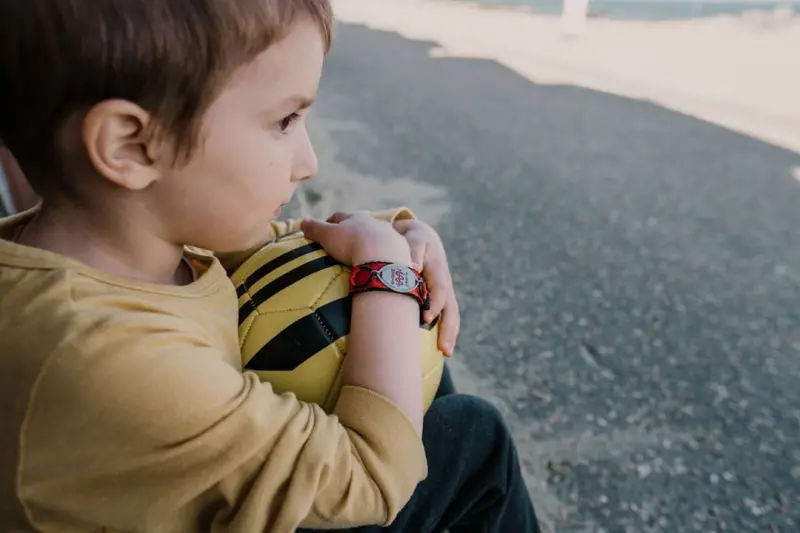
Why the Latest Generation of Kids' Health Trackers Deserves a Parental Warning
When I first heard my niece brag about her new smart wristband that could count steps, monitor sleep, and flash emojis whenever she hit a daily goal, I imagined a harmless gadget that would nudge her toward healthier habits. Fast forward a few months, and that same wristband is feeding data into a cloud platform that I can’t even see, while my niece starts receiving targeted in‑app offers for snacks she never asked for. As a parent‑tech enthusiast, I’m compelled to ask: are we handing over our children’s most intimate biometric signals to an ecosystem that treats them as commodities?
The allure of connected health devices for kids is undeniable. They promise to gamify wellness, keep parents in the loop, and even provide early alerts for potential health issues. However, behind the glossy UI lies a complex web of data collection, algorithmic profiling, and monetization strategies that can turn a well‑meaning health monitor into a silent data harvester.
The Data Goldmine Hidden in a Tiny Wristband
Modern wearables capture a surprisingly granular set of metrics: heart rate variability, oxygen saturation, sleep stages, activity intensity, and even ambient temperature. For adults, these signals can feed into health dashboards that help manage chronic conditions. For children, the stakes are higher because the data is tied to a developing body and a forming identity.
Every recorded spike in heart rate can be cross‑referenced with location data, creating a timeline of where a child was when they felt excited or stressed. Sleep pattern anomalies could be matched with school schedules, indicating stressors linked to homework or social pressures. Over time, machine‑learning models can generate a “behavioral fingerprint” that predicts mood swings, purchasing propensity, and even future health risks.
Companies often argue that this profiling is used solely for “personalized insights” or “better user experience.” In practice, those insights are a valuable commodity for advertisers, insurers, and even third‑party data brokers. A study by the Canadian Internet Policy & Public Interest Clinic found that 68% of health‑related apps for children share data with at least one third‑party entity, frequently without transparent opt‑out mechanisms.
From Health Promotion to Behavioral Nudging
What starts as a gentle reminder to stand up after an hour of sitting can evolve into a sophisticated nudging engine. By gamifying steps with badge systems, the device encourages more movement—great for combating sedentary lifestyles. But the same gamification mechanics can be repurposed to increase engagement with advertising content.
Imagine a scenario where the wristband’s app pushes a limited‑time offer for a sugary cereal right after a child completes a “water‑drinking” challenge. The child’s sense of accomplishment is subtly redirected toward a brand’s promotional agenda. Such tactics exploit the child’s trust in the device, effectively blurring the line between health coaching and commercial persuasion.
These practices echo concerns raised in previous earlier AI babysitter warnings, where automation designed for safety became a vector for manipulation. The core issue is the same: technology that monitors intimate aspects of a child’s life becomes a lever for behavioral influence.
The Legal Landscape: A Minefield of Ambiguity
In Canada, the Personal Information Protection and Electronic Documents Act (PIPEDA) provides a baseline for data privacy, but it has limited reach when it comes to minors under the age of 13. The Children’s Online Privacy Protection Act (COPPA) in the United States sets stricter rules, yet enforcement gaps remain. The result is a patchwork of regulations that often leaves parents guessing about what rights they actually have over their child’s biometric data.
Recent litigation, such as the case highlighted in Navigating the Legal Minefield of AI‑Generated Content, illustrates how courts are still catching up with technology. When it comes to wearables, there is a glaring lack of clear precedents, meaning many companies operate in a legal gray area, prioritizing growth over caution.
Psychological Impacts: The Subtle Erosion of Autonomy
Beyond the legal and commercial concerns, there’s a quieter, more insidious effect on a child’s developing sense of autonomy. When a device constantly monitors and rewards behavior, it can undermine intrinsic motivation. A child might begin to equate self‑worth with the metrics displayed on a screen rather than internal feelings of well‑being.
Research in developmental psychology indicates that extrinsic rewards, especially those tied to digital feedback loops, can diminish long‑term engagement in the very behaviors they aim to promote. This is known as the overjustification effect. In the context of health wearables, the child may become dependent on the device’s prompts, losing the ability to self‑regulate without digital crutches.
What Parents Can Do Right Now
- Read the fine print. Before buying a device, scrutinize the privacy policy. Look for clauses that mention data sharing with third parties, duration of data storage, and the ability to delete all information.
- Choose devices that prioritize data sovereignty. Some manufacturers offer on‑device processing, meaning the data never leaves the wristband unless you explicitly enable syncing.
- Set up parental controls. Most platforms allow you to disable certain data collection features, limit in‑app purchases, and control who can see the child’s data.
- Educate your child. Teach them about the value of their personal data in age‑appropriate terms. Encourage critical thinking about prompts and rewards.
- Advocate for stronger regulation. Join parent coalitions that lobby for clearer, enforceable standards for child‑focused health tech.
Alternative Paths: Low‑Tech Wellness for Kids
If the data risks feel overwhelming, consider low‑tech alternatives that foster the same health benefits without digital surveillance. Simple practices like family walk‑and‑talks, bedtime routines that encourage device‑free sleep, and cooking nutritious meals together can achieve the goal of healthier habits while preserving privacy.
Community‑based programs, such as local sports clubs or after‑school activity groups, also provide natural incentives for movement and social interaction without the need for a data‑collecting gadget. These settings often come with the added benefit of parental involvement and peer accountability, which are proven to sustain behavior change.
Looking Ahead: The Future of Kid‑Centric Wearables
Innovation in wearables is unlikely to slow down. Emerging technologies like flexible skin‑patch sensors and AI‑driven health assistants promise even richer data streams. While these advances could unlock powerful health interventions, they also amplify the privacy stakes.
To ensure the future is bright for our children’s health tech, the industry must adopt a “privacy‑by‑design” ethos—building devices where data minimization, user consent, and transparent analytics are default, not optional features.
Until such standards become the norm, the responsibility rests on us as parents, educators, and policymakers to demand accountability and protect the next generation from becoming unwitting test subjects in a data‑driven marketplace.

Related Posts

The Unseen Struggles of Rural Parenting: A Call for Support and Understanding
Rural parents face unseen struggles, from limited access to healthcare to isolation. Learn how we ca... Read More

Hidden Tech Threats Lurking in Kids’ Playtime
A deep dive into the covert tech risks hidden in today’s children’s playtime, revealing how AI, ... Read More

When Smart Toys Turn Spy: A Parental Warning About Connected Playthings
Smart toys offer fun and learning but often collect audio, location, and personal data. This article... Read More
Top Posts

AI‑Powered Contracts: Navigating the Legal Frontier
Discover how AI is transforming contract drafting, the ethical hurdles it creates, and actionable strategies for law firms to adopt technology responsibly....Read More

Tech Tides: How Digital Tools Are Revolutionizing Ontario's Freshwater Fishing
Ontario anglers are embracing apps, drones, and data-driven insights to enhance their fishing experience, balance screen time, and bolster local economies—all...Read More

Sync Your Meals with Your Body Clock: The Chrononutrition Playbook
Learn the science behind chrononutrition and get a step‑by‑step meal schedule that fits a busy lifestyle, helping you maximize energy, improve digestion, an...Read More

Reinventing Rural Care: Canada’s Virtual Health Hubs
Virtual health hubs combine digital tools, community‑based navigators, and therapeutic design to bridge gaps in rural Canadian healthcare, delivering faster s...Read More
0 Comments
Post Comment
You will need to Login or Register to comment on this post!