
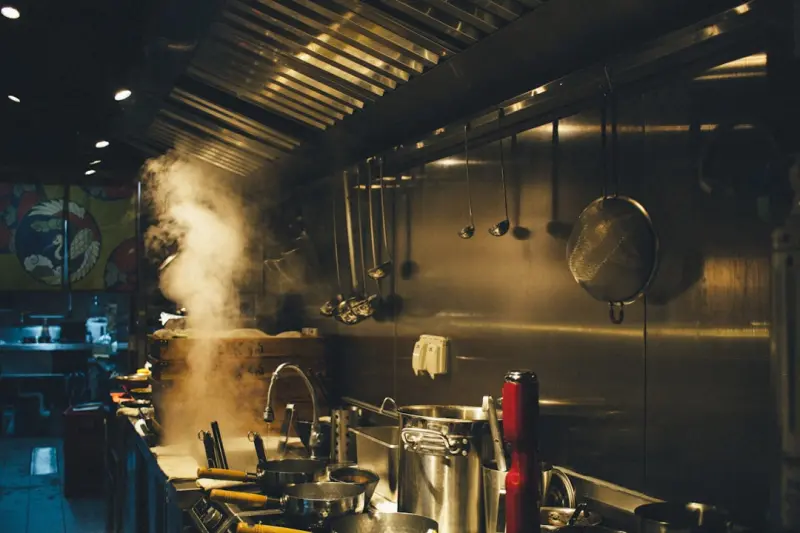
When I first walked into a downtown bistro three years ago, I expected the usual: a polished menu, a crisp uniform, and the clatter of plates. What I didn’t expect was the feeling of stepping onto a stage where every table was an audience, every dish a line of dialogue, and every server a performer. That moment reshaped my view of what a restaurant could be, and it’s the spark behind the ideas I’m sharing today.
Why Storytelling Matters More Than Ever
Consumers are no longer satisfied with food that simply tastes good. They crave a narrative that connects them to the people behind the plate, the origins of the ingredients, and the emotions that a meal can evoke. This isn’t a marketing gimmick; it’s a fundamental shift in how diners experience hospitality. When a story is woven into the dining experience, it creates an emotional hook that turns a one‑time guest into a lifelong advocate.
Crafting a Narrative: From Concept to Plate
Every successful story has three pillars: setting, characters, and conflict. In a restaurant, the setting is your space—its décor, lighting, and even the scent of fresh bread. The characters are your chefs, front‑of‑house team, and, of course, the ingredients themselves. The conflict is the challenge you solve for the diner, whether it’s introducing a bold flavor combo or offering a comforting classic with a modern twist.
Start by asking yourself:
- What’s the origin story of my flagship dish?
- How can my kitchen’s heritage be reflected in the menu design?
- What emotions do I want guests to walk away with?
When you answer these questions, you begin to map a storyline that can be expressed through menu copy, table talk, and even the plating style.
Menu Design as a Script
Think of your menu as a screenplay. Each section—appetizers, mains, desserts—acts as a scene, and each dish is a line of dialogue. Use descriptive language that paints vivid images. Instead of “Grilled Salmon,” try “Coastal‑caught salmon, char‑kissed and draped in a citrus‑herb beurre blanc that whispers of sunrise on the Atlantic.”
When diners read a menu that feels like a story, they become participants, not just consumers. This approach also opens the door for strategic upselling: a well‑crafted description can justify a premium price because the perceived value is higher.
Training the Cast: Empowering Front‑of‑House Talent
The most compelling stories are delivered by people who believe in them. Investing in staff training that goes beyond table etiquette—by teaching servers the narrative behind each dish—creates authentic storytelling moments. Role‑playing scenarios where a server explains the journey of a locally sourced heirloom tomato can turn a simple order into a memorable exchange.
Consider implementing a “Story Card” system: a small, pocket‑size card for each menu item that highlights its origin, the chef’s inspiration, and any interesting trivia. Servers can reference these on the fly, making the experience feel spontaneous yet polished.
Creating Immersive Environments
Beyond the menu, the physical space should reinforce the narrative. If your restaurant celebrates coastal flavors, incorporate subtle nautical elements—weathered wood, rope accents, ambient sounds of surf. If your focus is on farm‑to‑table authenticity, showcase a rotating display of produce or a live herb garden visible from the dining room.
Lighting plays a silent yet powerful role. Dim, warm lighting can evoke intimacy for a romantic storyline, while brighter, natural light can highlight the freshness of a summer garden menu. Even the music selection should match the mood you aim to create.
Leveraging Digital Tools Without Losing the Human Touch
Technology can amplify storytelling when used wisely. Digital menus on tablets can include short videos of the chef plating a dish or a quick interview with the farmer who supplied the greens. However, over‑reliance on screens can dilute the personal connection.
A balanced approach is to use QR codes that link to behind‑the‑scenes content, while still encouraging in‑person conversation. For instance, a QR code at each table could open a short clip titled “From Soil to Spoon,” giving diners a visual peek at the journey of their meal.
Measuring the Impact: Data Meets Narrative
Storytelling isn’t just an artistic endeavor; it’s also a measurable driver of revenue. Track metrics such as:
- Average check size before and after implementing story‑driven menu descriptions.
- Repeat visit rate for guests who engage with the story (ask servers to note).
- Social media mentions that reference your narrative elements.
These data points help you refine the narrative and demonstrate its ROI to stakeholders.
Case Study: Turning a Classic Dish into a Legend
One of my recent collaborations involved a modest Italian trattoria struggling to differentiate its menu. We focused on their signature mushroom risotto. Instead of presenting it as “Mushroom Risotto,” we rebranded it as “Forester’s Whisper Risotto.” The new story highlighted:
- The local foraged porcini harvested at dawn.
- The chef’s grandmother’s secret broth recipe.
- A finishing drizzle of truffle oil sourced from a sustainable farm.
Within three months, the dish’s sales jumped 45%, and the restaurant saw a 20% increase in repeat reservations for the weekend dinner slot. The narrative turned a humble plate into a destination experience.
Integrating Referral Power with Storytelling
When a guest leaves with a story they love, they become a natural brand ambassador. By weaving referral incentives into the narrative, you can amplify word‑of‑mouth marketing. For example, a “Share Your Story” card that offers a complimentary dessert on the next visit when guests post about their experience on social media creates a virtuous loop.
For deeper insight into how referral programs can fuel growth, explore The Art of Referral‑Driven Savings—a guide that outlines the mechanics behind self‑sustaining discount engines.
Balancing Health Trends with Narrative Depth
While many restaurants chase the latest health buzz, it’s possible to embed wellness into your story without sounding like a marketing checklist. Take the rise of gut‑friendly foods: rather than simply labeling a dish as “probiotic‑rich,” explain the cultural significance of fermented foods in the region you’re drawing inspiration from. This adds authenticity and educates diners.
An excellent example of health storytelling can be found in The Microbiome Snack Revolution, which illustrates how narrative can guide healthier choices.
Future‑Proofing Your Narrative
As dining habits evolve, so too will the stories you tell. Keep an eye on emerging trends—such as plant‑based gastronomy, zero‑waste cooking, or immersive virtual reality dining—and consider how they can be woven into your existing narrative framework. The key is to remain adaptable while staying true to your core brand identity.
Final Thoughts: Your Restaurant as a Living Story
When you view every aspect of your restaurant—from the wood grain of the tables to the garnish on the plate—as a chapter in a larger story, you create an ecosystem where guests feel connected, staff feel purpose‑driven, and the business thrives. It’s not about adding gimmicks; it’s about honoring the human desire for connection and meaning.
Take a moment today to ask yourself: What story do I want my restaurant to tell? Then, start weaving it into every touchpoint. The stage is set, the cast is ready—let the performance begin.

Related Posts
Data‑Driven Dining: How Restaurants Are Turning Numbers Into Profit
Explore the quiet revolution in restaurants where data-driven decisions—from AI forecasting to blo... Read More

Why Restaurants Are Turning to Community‑Driven Pop‑Ups to Stay Ahead
Pop‑ups are more than a trend; they’re a strategic tool for restaurants to test menus, reduce ri... Read More

Personalized Palates: How AI and AR Are Redefining the Restaurant Experience
Discover how restaurants are using AI to tailor menus and augmented reality to tell ingredient stori... Read More
Top Posts

Fermented Flavors: How Home Fermentation is Redefining Modern Kitchens
Discover how home fermentation transforms everyday ingredients into flavorful, probiotic-rich foods, fostering sustainability, community connections, and culina...Read More

Parental Warning: The Rise of AI-Powered Homework Assistants
AI-powered homework assistants promise instant answers, but they pose serious privacy, cognitive, and ethical challenges. This guide warns parents about the hid...Read More

Seasonal Foraging: The Hidden Powerhouse for Modern Nutrition
Explore the health benefits of seasonal foraging, learn practical tips for beginners, and see how wild edibles can transform everyday meals and community resili...Read More
Microbiome Magic: How Prebiotic Power Foods Are Redefining Everyday Meals
Explore the rise of prebiotic power foods—from chicory and sunchokes to seaweed fibers—and learn practical ways to integrate them into daily meals for a hea...Read More
0 Comments
Post Comment
You will need to Login or Register to comment on this post!