
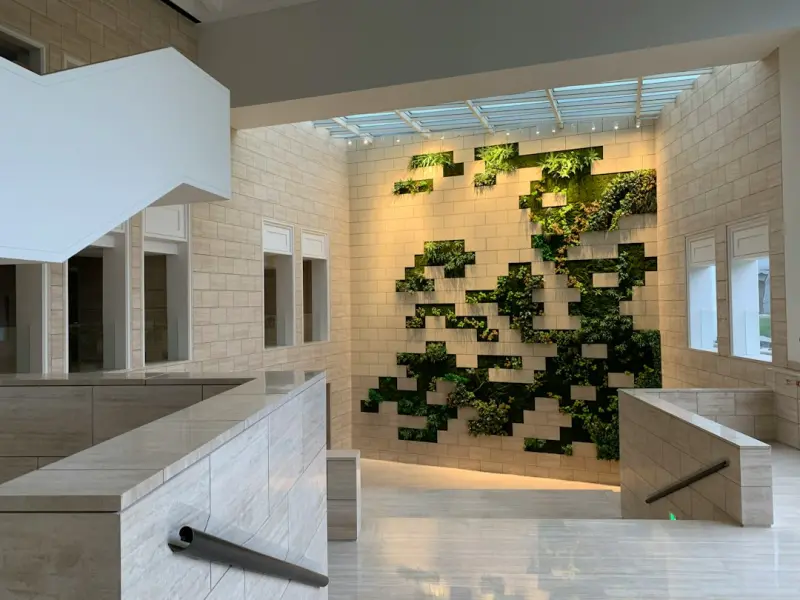
Imagine walking into your home office and feeling like you’ve stepped into a forest clearing rather than a box of drywall and fluorescent lighting. The walls seem to exhale, the ceiling drips with soft green, and you can hear a faint rustle of leaves even though you’re miles from any real tree. That isn’t a day‑dream – it’s the promise of biophilic design, a movement that’s quietly reshaping how we think about health in the spaces where we spend most of our waking hours.
Why Our Environments Matter More Than We Think
For decades, architects and psychologists have known that the built environment influences mood, cognition, and even immune function. Yet the modern workplace – especially the home‑based office that exploded in recent years – often feels like a sterile, distraction‑heavy zone. Open‑plan layouts, endless Zoom calls, and the relentless hum of HVAC systems combine to create a low‑grade stress cocktail. While we’ve learned to combat some of this with ergonomic chairs and blue‑light filters, we’ve largely ignored the deeper, evolutionary need to stay connected to nature.
Our ancestors spent the majority of their lives outdoors, soaking up natural light, hearing wind through trees, and feeling the subtle shifts of weather on their skin. Those experiences wired our nervous systems to interpret natural cues as safe and restorative. When we replace those cues with artificial lighting and synthetic materials, the brain interprets it as a threat, triggering a chronic stress response.
The Science Behind Biophilia
Biophilia, a term coined by biologist E.O. Wilson, describes the innate human affinity for nature. A growing body of research links biophilic elements to measurable health outcomes:
- Reduced cortisol levels – Studies show that simply viewing greenery can lower the stress hormone cortisol by up to 15%.
- Improved attention – The “attention‑restoration theory” suggests that natural scenes replenish our ability to focus, combating the mental fatigue that plagues remote workers.
- Enhanced immune response – Exposure to natural light boosts Vitamin D production, while certain indoor plants have been shown to filter airborne toxins, supporting respiratory health.
- Better heart health – A meta‑analysis of office design interventions found a 6% reduction in heart‑rate variability when workers were surrounded by plant life.
These findings aren’t just academic; they translate directly into lower absenteeism, higher productivity, and a more engaged workforce. In other words, biophilic design isn’t a “nice‑to‑have” aesthetic—it’s a health intervention.
Key Elements of a Biophilic Workspace
Integrating nature doesn’t mean you need to transplant a forest into your living room. Here are the five pillars that can be woven into any home office, no matter the square footage or budget:
1. Natural Light & View
Position your desk near a window that offers an unobstructed view of the outdoors. If a scenic vista isn’t possible, a simple skylight or light‑tube can flood the space with daylight, which regulates circadian rhythms and improves sleep quality. Pair the light with light‑filtering blinds that soften glare while preserving the view.
2. Living Green
Plants are the most accessible biophilic element. Choose low‑maintenance varieties like snake plant, pothos, or ZZ plant, which thrive in low‑light conditions and can tolerate occasional neglect. For a bigger impact, a vertical garden or a series of hanging planters creates a living wall that doubles as a visual focal point.
3. Organic Materials
Swap out synthetic desk accessories for items crafted from reclaimed wood, bamboo, or natural stone. Even a cork mouse pad or a woven wool rug introduces texture and warmth, signaling the brain that you’re back in a natural setting.
4. Water Features
The sound of flowing water can be incredibly soothing. A compact tabletop fountain or a small aquarium adds auditory stimulation that masks background noise and reduces stress. Just be sure the water source is maintained to prevent mold growth.
5. Nature‑Inspired Patterns
Incorporate artwork, textiles, or wallpapers that echo natural forms – think leaf motifs, wave patterns, or earthy color palettes. These visual cues reinforce the feeling of being outdoors even when you’re looking at a screen.
From Theory to Practice: A Step‑by‑Step Makeover
Ready to transform your workspace? Here’s a practical roadmap that takes you from a bare‑bones desk to a thriving biophilic sanctuary:
- Audit your current setup. List what you already have that aligns with the five pillars – a sunny window, a plant, wooden furniture, etc.
- Set a budget. Even a modest $100 can buy a few sturdy pots, a low‑light plant, and a small desk lamp with a warm hue.
- Prioritize natural light. If your window faces a wall, consider a mirror opposite to bounce light deeper into the room.
- Introduce greenery. Start with one easy‑care plant; watch it flourish before adding more.
- Swap out at least one synthetic item for a natural alternative. A wooden monitor stand can replace a plastic one in minutes.
- Add a soundscape. If a fountain feels too involved, try a nature sound playlist at a low volume.
- Layer texture. A woven throw or a jute rug can instantly soften the space.
Consistency is key. Aim to adjust your environment as the seasons change – just as the seasonal home design ideas suggest, rotating plant varieties or swapping color schemes keeps the experience fresh and your brain engaged.
Biophilic Design Meets Digital Health
The rise of wearable tech and health‑focused apps provides a unique feedback loop for biophilic interventions. Imagine a smartwatch that not only tracks heart rate but also alerts you when you’ve spent too long under artificial light. Pair that data with a smart lighting system that gradually shifts to a cooler, blue‑rich spectrum during the day and a warm, amber hue in the evening, aligning with your circadian rhythm.
These integrations echo the broader digital therapeutics movement, where technology amplifies the body’s natural healing pathways. In the context of biophilic design, the technology isn’t a replacement for nature – it’s a guide, nudging you toward healthier habits in real time.
Beyond the Home: Community‑Level Biophilic Initiatives
While we focus on the individual workspace, the principle scales beautifully to entire office complexes or co‑working hubs. Companies can install indoor gardens, create “forest break rooms,” or even partner with local horticultural groups to host weekly plant‑care workshops. These community activities foster social connection, another pillar of mental health that often gets sidelined in remote settings.
In Canada’s bustling tech corridors, a growing number of startups are experimenting with “green roofs” and “living facades.” These projects not only reduce the heat island effect but also serve as a visual reminder that health isn’t confined to the body – it’s embedded in the very walls that surround us.
Measuring Success: The ROI of Well‑Being
Implementing biophilic design is an investment, and like any business decision, it deserves measurement. Here are three metrics you can track:
- Employee wellness surveys. Ask about stress levels, focus, and overall satisfaction before and after the redesign.
- Productivity analytics. Tools that monitor task completion time can reveal subtle gains linked to improved attention.
- Health claims data. If you have an employee health plan, compare absenteeism and medical visit frequency pre‑ and post‑implementation.
Data‑driven insights mirror the data‑focused approaches that are transforming other sectors, proving that nature and numbers can coexist harmoniously.
Common Pitfalls and How to Avoid Them
Even the best‑intentioned redesigns can stumble. Here are some mistakes to watch out for:
- Over‑crowding. Too many plants can create a cluttered feel and increase maintenance burdens. Aim for balance.
- Neglecting maintenance. A wilted plant sends a negative signal. Choose hardy species and set a care schedule.
- Ignoring personal preferences. Some people find strong plant scents distracting. Offer a mix of scent‑free options.
- One‑size‑fits‑all lighting. Not everyone thrives under the same light temperature. Provide adjustable task lighting where possible.
Looking Ahead: The Future of Biophilic Health Spaces
As AI and sensor technology mature, we’ll likely see workspaces that adapt in real time. Imagine walls that shift from a calming forest scene to a vibrant meadow based on your stress level, detected via a wearable. Or desk surfaces that release subtle natural aromas when you’ve been seated too long, prompting a micro‑break.
These innovations will blur the line between physical and digital, creating an ecosystem where nature, technology, and human health are in constant dialogue. The next frontier isn’t just “green offices”—it’s responsive ecosystems that learn from you and nurture you back.
Take the First Step Today
Start small. Pick one window, one plant, and one natural material. Observe how you feel after a week. Use your smartwatch to note any shifts in heart rate variability. Celebrate those wins, then iterate. In the grand tapestry of health, every leaf, ray of sun, and wooden grain adds a thread of resilience.
When walls breathe, minds clear, and bodies thrive. Let’s bring the forest inside – one office at a time.

Related Posts

Post-Patent Era: How the Expiration of Ozempic’s Canadian Patent Could Make Weight-Loss Treatment More Affordable and Accessible
Ozempic has become a household name for weight loss, especially among celebrities and health-conscio... Read More

AI Health Dashboards: Turning Data Into Daily Vitality
An AI‑driven health dashboard consolidates wearables, sleep, and lifestyle data, offering personal... Read More

When Your DNA Calls the Kitchen: The Rise of Nutritional Genomics
Nutritional genomics is turning our DNA into a personalized recipe card. This article dives into the... Read More
Top Posts

Game On, Canada: Indigenous Studios and the New Wave of Interactive Storytelling
Canada’s entertainment sector is buzzing with fresh energy as Indigenous game studios, city‑wide live‑action role‑playing, and VR arcades bring new form...Read More

When Algorithms Meet the Kitchen: AI-Generated Recipes and the Future of Home Cooking
AI-driven recipe platforms blend data, flavor science, and personal preferences, offering hyper‑personalized meals, smarter shopping, and reduced waste—all ...Read More

Canada’s Civic‑Tech Awakening: How Open Platforms Are Redefining National Service
A deep dive into Canada’s emerging civic‑tech renaissance, highlighting open‑source platforms that let citizens co‑create public services, improve trans...Read More

Canada vs USA Over Tariffs A Closer Look
In recent years, the trade relationship between Canada and the USA has been under strain due to the imposition of tariffs by both countries. These tariffs have ...Read More
0 Comments
Post Comment
You will need to Login or Register to comment on this post!