
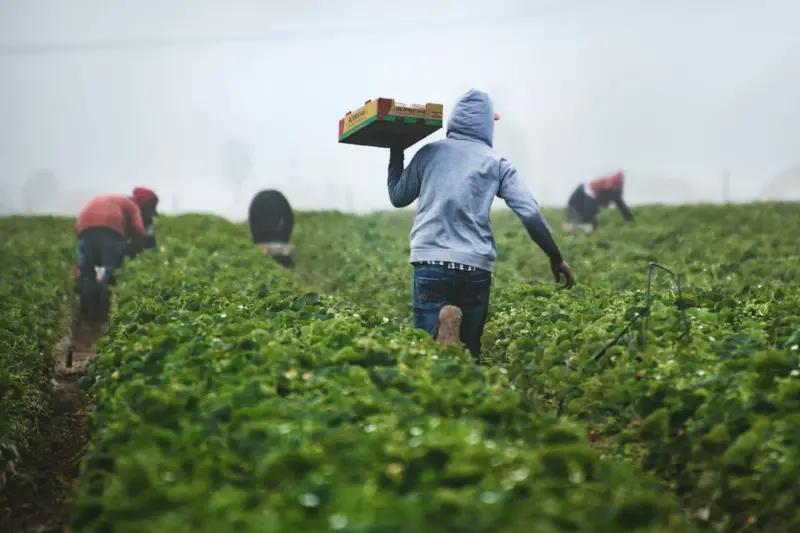
When I first stepped onto my grandparents’ farm in the rolling fields of southwestern Ontario, the only “clouds” I worried about were the ones gathering over the wheat. Fast‑forward a few decades, and the sky is filled with data streams, sensor‑driven insights, and a whole new generation of tools that promise to keep those clouds from turning into storms. As a third‑generation farmer and lifelong advocate for sustainable agriculture, I’ve watched the landscape shift from horse‑drawn plows to satellite‑guided tractors, from handwritten ledgers to cloud‑based dashboards. The question isn’t whether technology will arrive—it’s how we, the farming community, choose to make it work for us.
From Soil to Software: Why Data Matters More Than Ever
For most Canadians, the image of a farmer conjures up a lone figure in a straw hat, eyes fixed on the horizon. The reality is far more complex. Today’s farms are ecosystems of information. Soil moisture sensors, weather stations, drone‑captured imagery, and AI‑powered analytics are the new “soil tests.” They give us a real‑time pulse on everything from nitrogen levels to pest pressure, allowing us to intervene with surgical precision rather than sweeping, one‑size‑fits‑all applications.
Why does this matter? Because every kilogram of fertilizer, every liter of water, and every hour of machinery operation translates directly into cost, carbon footprint, and long‑term soil health. By integrating these data points into an intuitive platform, farmers can reduce input costs by up to 20 % while simultaneously boosting yields. The payoff isn’t just financial; it’s a healthier land base that can sustain families for generations.
Regenerative Practices Meet Real‑Time Insights
Regenerative agriculture isn’t a buzzword for me; it’s a return to the principles my great‑grandfather swore by—crop rotation, cover cropping, and minimal tillage. The difference now is that we can quantify the impact of each practice.
- Cover crops: Sensors track soil temperature and moisture, confirming that a winter rye cover retains 15 % more moisture than bare soil, reducing irrigation needs in the spring.
- Reduced tillage: Drone imagery measures soil compaction, showing that no‑till rows maintain higher organic matter, which translates into a 10 % increase in water infiltration.
- Livestock integration: GPS‑linked grazing patterns help us rotate animals efficiently, spreading manure evenly and improving nutrient cycling.
When you pair these practices with a platform that visualizes trends over months and years, you can prove to lenders, insurers, and policy‑makers that regenerative methods are not only environmentally sound but also economically viable.
Co‑ops, SaaS, and the Power of Shared Platforms
One of the most exciting developments on the Canadian prairies is the rise of farmer‑owned cooperatives that leverage SaaS (Software‑as‑a‑Service) solutions. Instead of each operation shouldering the cost of expensive enterprise software, co‑ops pool resources to access a shared dashboard that tracks everything from market prices to equipment maintenance schedules.
Imagine a regional grain board where every member can see real‑time price differentials across the country, forecast demand spikes, and schedule deliveries accordingly. The result is a more competitive pricing strategy that protects farmers from the volatility that once crippled small‑scale producers.
These co‑ops also act as data custodians. By aggregating anonymized field data, they can negotiate better terms with input suppliers, secure bulk discounts, and even influence research agendas at provincial universities.
Health, Resilience, and the Farmer’s Well‑Being
While we talk a lot about soil health, farmer health often stays off the radar. The physical demands of planting, pruning, and harvesting are obvious, but the mental toll of market uncertainty, climate change, and isolation can be equally debilitating.
Community‑centric health initiatives are emerging across the country, offering on‑farm mental‑health workshops, tele‑medicine services, and peer‑support networks. These programs recognize that a resilient farm starts with a resilient farmer. By integrating health resources into the same digital platforms used for agronomy, we create a holistic view of farm performance that includes human capital.
Connecting the Dots: Broadband, Sensors, and Marketplaces
All of these innovations hinge on reliable internet access—a resource that has historically been scarce in rural Canada. The nationwide broadband revamp is not just a tech upgrade; it’s a lifeline that transforms isolated farms into hyper‑connected hubs. With stable connectivity, a sensor in a wheat field can instantly upload moisture data to a cloud service, which then triggers an automated irrigation schedule, saving water and energy.
Beyond field management, broadband enables farmers to tap into online marketplaces, selling directly to consumers, restaurants, and specialty retailers. This bypasses traditional distribution channels that often erode profit margins. It also opens doors for niche products—think heritage grains, organic legumes, and even artisanal cheeses—that command premium prices.
Value‑Added Storytelling: From Field to Fermentation
Speaking of niche products, many farms are turning surplus or “imperfect” produce into value‑added goods. One of my neighbors, a small‑scale apple grower in Nova Scotia, began fermenting leftover apples into hard cider—a move that not only reduced waste but also created a new revenue stream. The success story resonated so strongly that it sparked a regional cooperative focused on fermentation, leveraging shared equipment and joint marketing.
This trend aligns perfectly with the insights from Fermented Foods: Tiny Powerhouses Transforming Modern Nutrition. Fermentation extends shelf life, boosts nutritional profiles, and taps into a growing consumer appetite for functional foods. By integrating fermentation into the farm’s product line, producers can diversify income, enhance sustainability, and tell a compelling story about “farm‑to‑ferment” authenticity.
Actionable Steps for Farmers Ready to Embrace the Future
- Audit Your Digital Footprint: Identify which processes are still manual and evaluate SaaS solutions that can automate them.
- Partner with a Cooperative: Look for or form a farmer‑owned co‑op to share the cost of technology and gain collective bargaining power.
- Invest in Sensors and Connectivity: Even basic soil moisture probes paired with a reliable broadband connection can yield immediate savings.
- Prioritize Mental Health: Enroll in community‑based health programs and use digital tools to schedule regular check‑ins.
- Explore Value‑Added Products: Assess whether your crop can be transformed—think fermenting, drying, or creating specialty flours.
- Leverage Data for Market Insight: Use real‑time price dashboards to time your sales and negotiate better contracts.
Looking Forward: A Collective Blueprint
The future of Canadian agriculture isn’t a solitary sprint; it’s a coordinated relay race where each farmer passes the baton of data, sustainability, and community to the next. By embracing technology without sacrificing the time‑honored practices that keep our soils alive, we can build a farming system that is resilient, profitable, and deeply rooted in our national identity.
As we navigate the challenges of climate variability, market flux, and shifting consumer preferences, the key will be collaboration—between farms, technology providers, researchers, and policymakers. When we align our tools and our values, we ensure that the next generation of Canadian farmers inherits more than just land; they inherit a thriving, adaptable ecosystem that honors both the earth and the people who work it.

Related Posts
Cultivating Resilience: How Canadian Farmers Are Rewriting Rural Well‑Being
Canadian farmers are redefining resilience by addressing mental health, forming cooperative networks... Read More
Regenerative Roots: How Canadian Farmers Turn Soil into Climate Solutions
Canadian farmers are reshaping agriculture by adopting regenerative methods that improve soil health... Read More
Regenerative Roots: Canadian Farmers Turning Fields into Climate Allies
Canadian growers are embracing regenerative agriculture—cover crops, reduced tillage, diverse rota... Read More
Top Posts

AI‑Powered Narrative Marketing: Crafting Stories That Convert
AI narrative engines turn raw buyer data into personalized story arcs, delivering hyper‑relevant content across channels and dramatically accelerating B2B sal...Read More
Unlocking the Power of Seasonal Superfoods for Everyday Vitality
Explore fresh, seasonal superfood swaps, pantry essentials, and mindful eating habits that turn ordinary meals into powerful tools for lasting health and vitali...Read More

Beyond the Guidebook: Discovering Authentic Micro‑Destinations
Dive into the world of micro‑destinations—tiny towns, secret trails, and off‑beat experiences that let travelers forge genuine connections and travel resp...Read More

Unlocking Hidden Savings: A Guide to Affordable Rural Living
Learn how to unlock hidden savings and make the most of your rural lifestyle with our comprehensive guide to affordable rural living. From local deals to tech-s...Read More
0 Comments
Post Comment
You will need to Login or Register to comment on this post!