

When Your Home Becomes an Office: The Unseen Cost of Remote Work
When the pandemic nudged us out of cubicles and into the living room, most of us celebrated the freedom to wear pajama‑bottoms to meetings and the extra minutes saved by skipping the commute. The narrative was simple: work from anywhere, live better. Yet, as the novelty wears off, a quieter story is emerging—one that isn’t plastered on any billboard or featured in a LinkedIn post. The very walls that used to separate “work” from “home” are now blurring, and with that blur comes a cascade of expenses that quietly gnaw at your paycheck.
In this deep‑dive, I’ll unpack the layers of cost that remote workers often overlook, from the electricity that powers your Zoom calls to the subscription stack that fuels your digital workflow. I’ll also share actionable tactics you can apply today to keep those hidden outflows in check, without sacrificing the flexibility you love.
1. The Power Bill Paradox
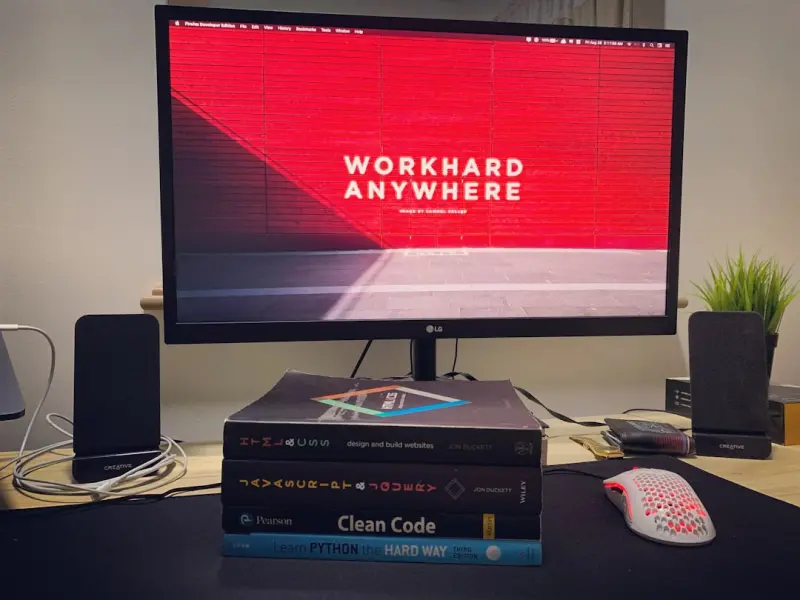
Remember the first week you set up a home office? The excitement of a brand‑new ergonomic chair, a dual‑monitor setup, and a high‑speed router made the space feel like a personal command center. What you probably didn’t anticipate was the spike in your utility bill.
According to a recent analysis of hidden household expenses, average electricity usage jumps by 10‑15% when a full‑time employee works from home. The culprit? Not just the computer and monitors, but the ancillary devices that keep you productive: smart speakers, Wi‑Fi extenders, and even the extra lighting you need for video calls.
How to tame the surge:
- Audit your devices. Turn off monitors and peripherals when not in use. A smart power strip can automate this.
- Leverage natural light. Position your desk near a window to cut down on artificial lighting.
- Switch to energy‑efficient hardware. LED bulbs, ENERGY STAR‑rated monitors, and low‑power CPUs can shave off a noticeable chunk of your bill.
2. The Subscription Stack That Grows On Its Own
Before remote work, many of us paid for a handful of services—perhaps a streaming platform and a cloud storage plan. Now, the digital ecosystem we rely on has multiplied:
- Video‑conferencing tools (Zoom, Teams, Webex)
- Project management suites (Asana, Monday.com, Notion)
- File‑sharing and backup services (Dropbox, Google Workspace)
- VPNs for secure connections
- Wellness apps to counteract the sedentary lifestyle
The result? A subscription cascade that can easily exceed $200 per month for a single employee. The Deal‑Stacking Secrets for Smarter SaaS Savings article outlines how bundling can save you money, but many remote workers never even consider a bundle in the first place.
Smart ways to prune the stack:
- Conduct a quarterly audit: List every recurring charge and ask yourself if it’s essential.
- Negotiate family or team plans: Many SaaS vendors offer discounts for groups, which can be shared across a household.
- Explore open‑source alternatives: For many collaboration tools, a free or low‑cost open‑source option can do the job.
3. Real Estate Re‑Evaluation: The “Office‑Space‑Tax”
One of the biggest draws of remote work is the promise of moving to a cheaper city or suburb. While geographic relocation can lower rent or mortgage payments, it also introduces a new set of costs that many overlook:
- Home office insurance. Standard homeowner policies may not cover business equipment.
- Increased property taxes. Some municipalities reassess properties when a portion is designated for commercial use.
- Higher internet bandwidth. A robust connection for video calls often requires an upgraded (and pricier) plan.
If you’re considering a move, use the Geographic Arbitrage framework as a starting point, but factor in these “office‑space‑taxes” to avoid nasty surprises.
4. The Hidden Cost of “Always‑On” Culture
Remote work blurs the boundary between work hours and personal time. The expectation (sometimes implicit) to respond to emails at midnight or to join a Slack channel at odd hours translates into:
- Increased stress and burnout, which can lead to medical expenses.
- Higher consumption of “quick‑fix” meals or coffee, adding $5‑$10 per day to your out‑of‑pocket cost.
- Potential need for mental‑health services or coaching.
While these aren’t line‑item expenses on a spreadsheet, they accumulate and affect your overall cost of living. Setting clear boundaries—like “no meetings after 6 p.m.”—can protect both your health and your wallet.
5. Childcare & Education: The Remote Shift
For parents, the home office often doubles as a classroom. The cost implications are twofold:
- Supplementary educational tools. Subscriptions to tutoring platforms, learning apps, and digital textbooks can quickly add up.
- Home‑office upgrades for kids. A second set of headphones, a dedicated desk, or even a child‑friendly monitor becomes necessary.
Proactively budgeting for these items—perhaps by allocating a portion of your “home office” budget to family education—prevents end‑of‑month surprise bills.
6. Health & Wellness: The Unplanned Outlay
Staying sedentary for hours on end leads many remote workers to invest in home‑gym equipment, standing desks, or wellness apps. While these purchases can improve long‑term health, they’re often impulsive and unbudgeted.
A practical approach is to adopt a “pay‑as‑you‑go” model: try a free trial of a fitness app before committing, or rent a standing desk for a month to test its impact on productivity and comfort.
7. Tax Implications: Turning Expenses into Deductions
Many remote workers miss out on potential tax benefits because they’re unaware of what qualifies as a deductible home‑office expense. In many jurisdictions, a portion of your rent/mortgage, utilities, and internet can be written off—provided you meet specific criteria (e.g., a dedicated workspace used exclusively for work).
Consult a tax professional, but here’s a quick checklist:
- Document square footage of your office space versus total home area.
- Keep receipts for all related purchases (furniture, equipment, software).
- Track utility bills; a percentage can be allocated to business use.
Turning these outflows into deductions can offset a substantial portion of the added costs.
8. Strategies to Future‑Proof Your Budget
Now that the hidden costs are on the table, let’s talk about a sustainable budgeting framework:
- Zero‑Based Budgeting. Assign every dollar a job, even if it’s “savings for unexpected remote‑work expenses.”
- Expense Buckets. Create categories like “Digital Services,” “Home Utilities,” “Wellness,” and “Child Education.” Review each bucket monthly.
- Automation. Set up automatic transfers to a “Remote‑Work Buffer” account the day you get paid. Treat it like a mini emergency fund.
- Quarterly Review. Re‑assess your subscription stack, utility usage, and tax deductions every three months. Adjust allocations as needed.
By treating remote work as a distinct line item in your personal finance strategy, you transform a nebulous set of expenses into a manageable, predictable component of your cost of living.
9. The Bigger Picture: Remote Work as an Economic Lever
On a macro level, the shift to remote work is reshaping city economies, real‑estate markets, and even transportation infrastructure. While businesses are busy calculating the ROI of a distributed workforce, employees are quietly recalibrating their personal cost of living equations.
Understanding this dynamic can empower you to make smarter decisions—whether that means negotiating a remote‑work stipend with your employer, advocating for a “home‑office allowance” in your contract, or simply choosing a living location that aligns with your new financial reality.
Remote work isn’t a free lunch; it’s a trade‑off. The freedom to work from a café in the mountains or a high‑rise apartment downtown comes with a new set of budgetary considerations. By shining a light on these hidden costs and arming yourself with practical tools, you can enjoy the flexibility of remote work without letting it silently erode your paycheck.
Remember: the goal isn’t to eliminate every expense—just to make them intentional, transparent, and, when possible, optimized. Your cost of living should serve your life, not the other way around.

Related Posts

Cost of Living as a Competitive Advantage: Turning Geography into Growth
A fresh look at cost of living shows it can be a strategic lever for SaaS companies, aligning compen... Read More

Rethinking the Cost of Living in a Remote‑First World
Remote work reshapes traditional cost‑of‑living calculations. This guide uncovers hidden expense... Read More
Why Working From Anywhere Isn’t the Budget‑Boost Everyone Assumes
Why Working From Anywhere Isn’t the Budget‑Boost Everyone Assumes When I first swapped the daily... Read More
Top Posts

When Sound Becomes a Secret Ingredient: Tuning Your Taste Buds
Discover the science behind sonic pairings and learn practical ways to use music and sound to amplify flavors at home or in a restaurant, creating a multisensor...Read More

Beyond the Plate: How Data, Ghost Kitchens, and Sensory Design Are Redefining Modern Restaurants
A deep dive into three emerging forces—data‑driven menus, ghost kitchen flexibility, and sensory branding—that together are reshaping the restaurant lands...Read More

Stretching Your Dollar: Smart Ways to Save on Everyday Expenses
Learn how to save money on everyday expenses with these 10 simple tips. From meal planning to shopping secondhand, discover how to stretch your dollar and achie...Read More

Discovering the Charm of Almonte, Ontario: A Guide to Your Perfect Getaway
Almonte, Ontario, a picturesque town nestled on the banks of the Mississippi River, offers a tranquil escape from the hustle and bustle of city life. With its h...Read More
0 Comments
Post Comment
You will need to Login or Register to comment on this post!