
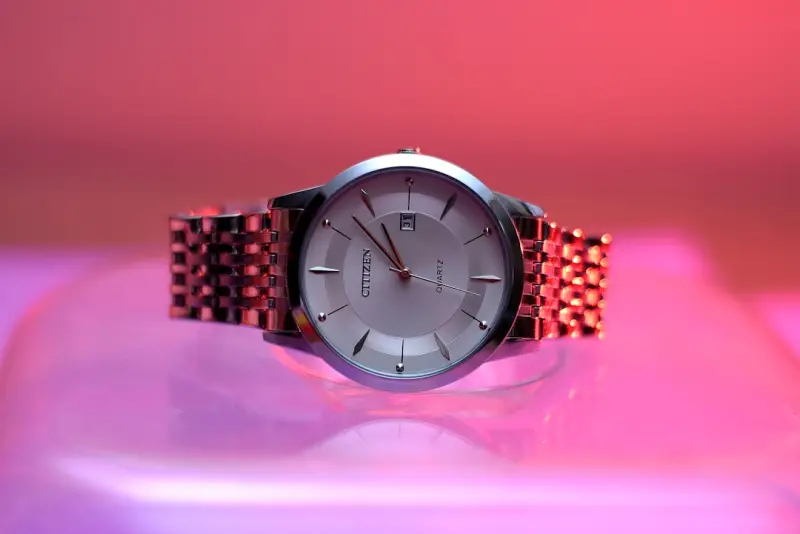
The Rise of Stress‑Tracking Wearables
Imagine a world where the gentle buzz of your smartwatch nudges you to breathe before you even notice the tension building in your shoulders. This isn’t a distant sci‑fi fantasy; it’s the quiet revolution happening on our wrists right now. Over the past few years, wearable technology has leapt from simple step counters to sophisticated health companions that monitor heart‑rate variability, skin conductance, and even subtle changes in posture. These data points form a real‑time portrait of your stress landscape, allowing you to intervene before stress morphs into anxiety or burnout.
What makes this wave truly transformative is the convergence of three forces: advances in sensor miniaturization, machine‑learning algorithms that can interpret biometric noise, and a cultural shift toward proactive mental‑health care. No longer are we waiting for the annual health check‑up to discover that our cortisol levels have been spiraling. The moment you feel a spike in your stress score, your device can suggest a five‑minute guided breath, a short walk, or a quick mindfulness exercise—right at the point of need.
From Data to Relief: How Real‑Time Feedback Works
At the heart of any effective wearable is the ability to translate raw sensor output into actionable insight. Most modern devices employ a combination of photoplethysmography (PPG) for heart‑rate variability, electrodermal activity (EDA) sensors for skin conductance, and accelerometers to gauge movement. The magic happens when these streams are fed into a proprietary AI model trained on millions of hours of physiological data.
The model learns to differentiate between a heart‑pounding workout and a heart‑pounding deadline. It does this by recognizing patterns—like a sustained elevation in skin conductance paired with shallow breathing—that are hallmarks of stress. Once identified, the device triggers an instant feedback loop:
- Alert: A subtle vibration or soft chime catches your attention without adding to the chaos.
- Contextual Prompt: A short message appears, such as “Take a deep breath” or “Stand up and stretch.”
- Guided Intervention: Integrated audio or visual guides lead you through a 60‑second reset.
This loop is designed to be non‑intrusive. The goal is not to overwhelm you with notifications but to create a mindful pause—a micro‑break that can dramatically lower cortisol levels, improve focus, and restore emotional equilibrium.
Personalized Interventions Powered by AI
One size certainly does not fit all when it comes to stress. What calms one person might aggravate another. That’s why the newest generation of wearables leverages AI to personalize the relief experience. By continuously learning from your responses—whether you accept a breathing exercise or dismiss it—the system refines its suggestions.
For example, if you consistently ignore prompts for a five‑minute meditation but engage positively with a short guided stretch, the algorithm will prioritize movement‑based interventions. Over time, the device builds a nuanced profile of your stress triggers, preferred coping mechanisms, and optimal timing for interventions.
This level of personalization mirrors the emerging trend of Zero‑Waste Home Brewing, where enthusiasts tailor fermentation cycles to their taste buds and local environment. Just as a home brewer experiments with flavor, your wearable experiments with stress‑relief techniques—always aiming for the perfect balance.
Integrating Wearables Into Daily Routines
Technology is only as good as its adoption. To truly benefit from wearable stress management, the device must become a seamless part of your day. Here are three practical strategies:
- Set Intentional Check‑Ins: Instead of reacting only when a buzz occurs, schedule brief, scheduled “mindfulness moments” aligned with your calendar—perhaps after a long meeting or before lunch.
- Pair With Physical Spaces: Create designated zones (like a quiet corner in your office) where the device’s prompts can lead you to a physical environment conducive to relaxation.
- Leverage Community Features: Many platforms now include social components—teams can share stress scores anonymously, fostering a supportive culture that normalizes mental‑health conversations.
When integrated thoughtfully, these practices transform a simple gadget into a catalyst for a healthier workplace culture. Companies that champion such tools often report reduced absenteeism, higher employee satisfaction, and a measurable uplift in productivity.
Challenges and Ethical Considerations
With great data comes great responsibility. The proliferation of stress‑tracking wearables raises several ethical questions that we must address head‑on:
- Data Privacy: Biometric data is deeply personal. Vendors must employ end‑to‑end encryption and offer transparent consent frameworks to prevent misuse.
- Algorithmic Bias: AI models trained on homogenous datasets may misinterpret stress signals for certain demographic groups, leading to inaccurate alerts.
- Over‑Reliance: There’s a risk that individuals become dependent on device prompts, neglecting the development of intrinsic self‑awareness.
Industry leaders are beginning to respond. Some companies are collaborating with academic institutions to audit their models for bias, while others are offering users the ability to download and delete their raw data at any time. It’s a delicate balance between harnessing technology for good and protecting the sanctity of personal health information.
Future Horizons: Beyond the Wrist
The next frontier may soon extend past the wristband. Imagine smart textiles woven into everyday clothing that continuously monitor stress markers, or augmented reality glasses that overlay breathing guides onto your visual field during a hectic commute. Moreover, integration with Seasonal Foraging Meets Fermentation could enable diet‑specific stress‑relief recommendations, linking the foods you eat with your physiological responses.
Another exciting development is the concept of collective biofeedback loops. In a corporate setting, anonymized stress data could inform organizational changes—like adjusting meeting lengths or redesigning office layouts—to reduce systemic pressure points. This macro‑level application transforms individual data into actionable insights that benefit entire teams.
Finally, the convergence of wearables with telehealth platforms promises a new era of continuous care. Clinicians could receive summarized stress trends between appointments, allowing for more proactive interventions and personalized treatment plans. The line between self‑managed wellness and professional medical guidance will blur in a way that empowers patients while preserving clinical oversight.
Conclusion: Embracing a Healthier Rhythm
The quiet revolution of stress‑tracking wearables is reshaping how we perceive and manage mental health. By turning abstract feelings into quantifiable data, these devices give us the agency to intervene early, personalize our coping strategies, and embed wellness into the fabric of daily life. Yet, the journey is just beginning. As technology evolves, so must our conversations about privacy, equity, and the role of AI in intimate health decisions.
For those ready to explore this frontier, the first step is simple: wear the device, listen to its cues, and trust that each subtle vibration is an invitation to breathe, stretch, or pause. In doing so, we not only nurture our own resilience but also set a precedent for a healthier, more empathetic society—one mindful beat at a time.

Related Posts
Micro‑Movement Mastery: Turning Desk Time Into Health Gains
Micro‑Movement Mastery explores the power of brief, frequent exercises woven into a workday, offer... Read More
When Your Wristwatch Becomes a Personal Health Coach
Wearables have evolved from simple step counters to active health coaches that, alongside smart home... Read More

The Unseen Struggles of Rural Mental Health in Canada
The unseen struggles of rural mental health in Canada are a critical issue that requires our attenti... Read More
Top Posts

Eco‑Chic Prom & Graduation: Sustainable Style Meets Celebration
Explore how to blend glamour with sustainability for prom and graduation, from eco‑friendly outfits and décor to digital invites and community‑driven budge...Read More

The Resurgence of Rural America - Growth and Opportunity
Rural America is experiencing a new era of growth and opportunity, driven by technological advancements, changing demographics, and innovative economic developm...Read More

Pop‑Up Destinations: The New Frontier of Travel Experiences
Pop‑up destinations—short‑lived hotels, eateries, and cultural hubs—are transforming tourism by blending scarcity, community, and tech to create unforge...Read More
Pop‑Up Paradises: How Temporary Destinations Are Redefining Travel
Pop‑up paradises—short‑lived, community‑driven travel installations—are transforming tourism by offering flexible, authentic, and eco‑friendly exper...Read More
0 Comments
Post Comment
You will need to Login or Register to comment on this post!