
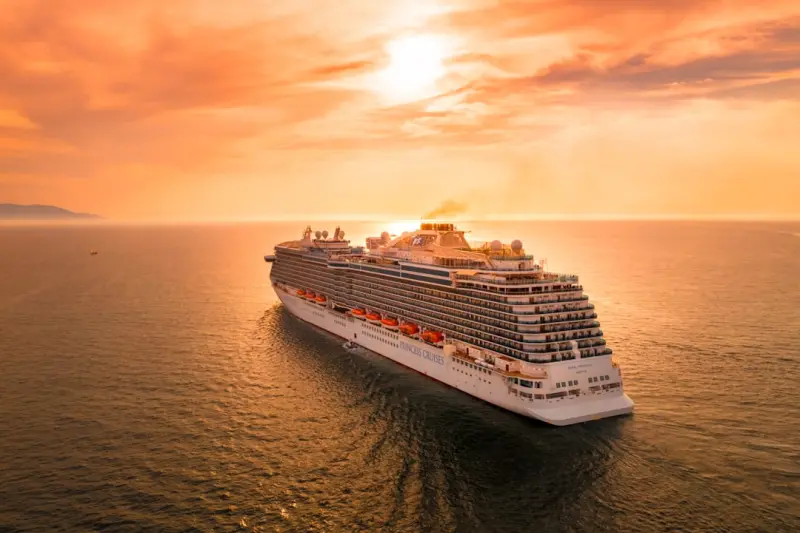
From Deck to Highway: How AI‑Driven Personalization Is Redefining Cruise and Bus Tours
When I first stepped onto a cruise ship as a teenager, the world felt like a single, sprawling lounge—buffet lines, a glittering pool, and a schedule that seemed set in stone. Fast forward a decade later, I found myself on a modern coach cruising through the Canadian Rockies, scrolling through a custom itinerary on my phone while the driver narrated the geology of the valley. The contrast is stark, but the thread that ties those experiences together is personalization. The industry is finally catching up with the expectation that every traveler wants a journey as unique as their fingerprint. And the engine powering this shift? Artificial intelligence.
Why Personalization Matters More Than Ever
Travelers today are bombarded with choices. From boutique hostels to mega‑cruise liners, from on‑demand rideshares to intercity bus networks, the market is saturated. The differentiator isn’t just price or destination—it’s the ability to make a guest feel seen.
- Expectation of relevance: A millennial booking a cruise expects curated playlists, real‑time activity suggestions, and eco‑friendly options without digging through endless menus.
- Competitive pressure: Bus operators are no longer just competing on routes; they’re battling for the attention of “experience‑hungry” tourists who compare options on a single app.
- Revenue potential: Personalized upsells—spa treatments on a ship, premium seat upgrades on a coach—can boost per‑guest spend by 15‑30% when delivered at the right moment.
In short, personalization is the new “must‑have” amenity, and AI is the tool that makes it scalable.
The Data Engine Under the Hood
Every interaction on a cruise or a bus tour generates data: cabin preferences, dining choices, on‑board activity participation, even the time a passenger spends looking at the ship’s art gallery. When aggregated and analyzed, these data points form a vivid portrait of the traveler’s preferences.
Here’s how the data pipeline typically looks:
- Collection: Sensors, RFID wristbands, mobile app interactions, and even Wi‑Fi usage feed into a central repository.
- Processing: Machine‑learning models clean, normalize, and categorize data in real time.
- Insight generation: Predictive algorithms identify patterns—like a guest who repeatedly orders seafood but avoids gluten.
- Action: The system triggers personalized offers: a gluten‑free dinner menu, a shore‑excursion that matches a guest’s photography hobby, or a quiet cabin for a night‑owl.
The Predictive Savings article I wrote earlier dives deep into how AI can anticipate buying windows. The same principle applies on a cruise ship: predicting when a passenger is most likely to purchase a spa package and nudging them at that exact moment.
Real‑World Applications on the Water
Dynamic Itinerary Tweaks – Imagine a storm brewing off the coast. An AI engine instantly reshuffles shore‑excursion slots, offers indoor alternatives, and sends a personalized notification with a curated “rainy‑day” activity menu. Guests appreciate the seamless pivot, and the cruise line avoids costly last‑minute cancellations.
Smart Cabin Controls – Modern cabins are equipped with IoT devices. AI learns that a guest prefers cooler temperatures at night and a warm shower in the morning. The system auto‑adjusts climate settings and pre‑heats water, creating a frictionless stay.
Personalized Entertainment – By analyzing streaming habits and past event attendance, the ship’s entertainment platform suggests specific shows, themed parties, or even a private movie screening. The guest feels the itinerary was hand‑picked just for them.
Bus Tours Go Bespoke
Bus tours have traditionally been the epitome of “one‑size‑fits‑all.” However, AI is turning that notion on its head.
Route Personalization – A coach traveling from Vancouver to Banff can now offer optional detours based on passenger interests. A nature enthusiast might receive a side trip to a lesser‑known glacier, while a foodie could be routed through a local cheese‑making farm.
In‑Transit Engagement – Onboard tablets deliver content that aligns with a passenger’s profile. If someone flagged an interest in Indigenous art, the system pushes a short documentary about local First Nations artists, followed by a QR code linking to a pop‑up marketplace.
Adaptive Pricing – AI models evaluate demand elasticity across different segments—families, solo travelers, corporate groups—and adjust ticket prices in real time, ensuring maximum occupancy without sacrificing revenue.
Bridging the Gap: The Hybrid Sea‑Land Experience
While the Hybrid Sea‑Land Adventures piece explored the concept of merging cruise and bus experiences, the next evolution is personalized integration. Picture a traveler who begins their journey on a cruise through the Caribbean, then disembarks for a curated bus tour of historic plantations. AI ensures that the narrative flows—photos taken on the ship are instantly available on the bus’s infotainment system, and the same culinary preferences follow them from deck to road.
This seamless handoff is powered by a shared guest profile that lives in the cloud, accessible to both maritime and land operators. The result? A cohesive story that feels less like two separate trips and more like a single, evolving adventure.
Challenges and Ethical Considerations
With great data comes great responsibility.
- Privacy: Travelers must consent to data collection. Transparent privacy policies and easy opt‑out mechanisms are non‑negotiable.
- Bias Mitigation: AI models can inadvertently reinforce stereotypes. Continuous auditing ensures recommendations are inclusive.
- Data Security: A breach on a cruise ship’s network could expose personal details of thousands. Robust encryption and regular penetration testing are essential.
Addressing these concerns not only protects guests but also builds trust—an intangible asset that can translate into repeat bookings.
Leveraging Partnerships for Scale
Many operators, especially smaller bus companies, lack the resources to build sophisticated AI stacks. This is where Buying Consortia comes into play. By banding together, multiple operators can collectively negotiate access to AI platforms, sharing the cost while benefiting from pooled data sets that improve model accuracy.
Consortia also enable cross‑industry collaboration: a cruise line and a regional bus network can co‑invest in a shared personalization engine, creating a unified guest experience that spans both modalities.
Future Trends: From Personalization to Co‑Creation
We’re moving beyond “what the system thinks you want” to “what you want to create.” The next wave will empower guests to co‑design portions of their itinerary in real time.
- Live Polling: During a sea‑day, passengers can vote on the next onboard activity, with AI instantly reallocating crew resources.
- Community‑Driven Excursions: Passengers on a bus tour can suggest and vote on micro‑stops, turning the route into a dynamic, crowd‑sourced experience.
- Gamified Sustainability: Guests earn points for choosing eco‑friendly options (e.g., reusable water bottles, carbon‑offset excursions), redeemable for upgrades.
These participatory models echo the spirit of Regenerative Tourism, where travelers become active contributors to the destinations they visit, not just passive observers.
Actionable Steps for Operators
Ready to ride the AI wave? Here’s a quick roadmap:
- Audit Your Data Landscape: Identify every touchpoint—from booking engines to cabin sensors—and map the data it generates.
- Start Small with Pilots: Choose a single use case, like personalized dining recommendations, and test it on a limited segment.
- Partner Strategically: Join a buying consortium or technology partnership to access AI tools without massive upfront costs.
- Build Trust: Develop clear privacy notices, provide opt‑out options, and communicate the tangible benefits of personalization to guests.
- Iterate and Scale: Use feedback loops to refine models, then expand successful pilots to other touchpoints (itinerary, entertainment, pricing).
By following this playbook, cruise lines and bus operators can transform from “transport providers” to “experience architects,” delivering journeys that feel handcrafted for each passenger.
Conclusion: The Horizon Is Personal
The seas are getting smarter, the highways are getting more intuitive, and travelers are demanding more than a one‑size‑fits‑all itinerary. AI‑driven personalization isn’t a futuristic add‑on—it’s the new baseline. Operators that embrace data responsibly, collaborate across modes, and place the guest at the center of every decision will not only survive the shifting landscape; they’ll set the gold standard for what a modern cruise or bus tour looks like.
So the next time you step aboard a ship or settle into a coach, ask yourself: Is this journey speaking my language? If the answer is “yes,” you’re already experiencing the future.

Related Posts

Charting New Waters: How Sustainable Practices Are Redefining Modern Cruises and Bus Tours
Sustainable travel is no longer a niche—cruise ships are adopting zero‑waste kitchens and carbon... Read More
Sailing & Rolling: Turning Cruises and Bus Tours into Living Stories
Explore the power of immersive storytelling on cruises and bus tours, from narrative frameworks and ... Read More

From Deck to Desk: On‑Board Skill Workshops Are Changing Travel
Travelers now seek growth on the go. This article explores the rise of on‑board skill workshops—... Read More
Top Posts

From Studio to Stage: Why Canada’s Live‑Performance Renaissance Is the Next Big Thing
Canada’s entertainment landscape is shifting from screen‑centric consumption to immersive, community‑driven live experiences, powered by mobile venues, te...Read More

Zero‑Party Data: The New Gold Standard for B2B Marketers
Zero‑party data lets marketers collect only the insights prospects willingly share, turning trust into a conversion catalyst. This article outlines why the sh...Read More

The Unseen Struggles of Canadian Farmers: A Call for Support
Canadian farmers face unique challenges that affect their mental health and well-being. Learn how we can support them and promote a culture of mental health awa...Read More

Decision Hygiene: How to Cleanse Your Business Choices for Sustainable Growth
Decision hygiene is a disciplined practice that filters noise, sets clear criteria, and documents rationale to improve decision‑making, reduce fatigue, and dr...Read More
0 Comments
Post Comment
You will need to Login or Register to comment on this post!