
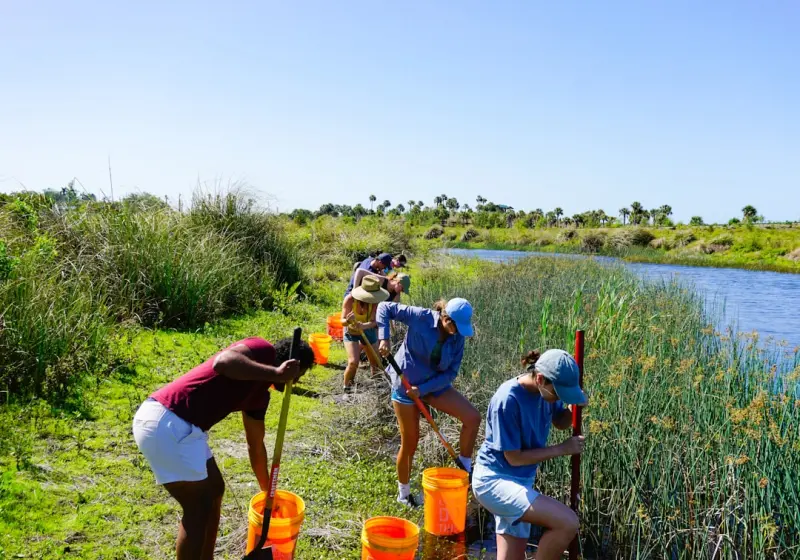
Why Sustainable Travel Is No Longer a Niche
When I first boarded a mid‑Atlantic cruise as a reluctant explorer, I expected endless buffets, generic entertainment, and a sea of tourists all glued to the same itinerary. What I found instead was a quiet, deliberate effort to do better—from solar‑powered decks to locally sourced shore‑side meals. The same story is playing out on the open road, where bus tour operators are swapping diesel‑guzzling fleets for electric coaches and redesigning routes to support regional economies. This shift isn’t a fleeting trend; it’s a fundamental re‑calibration of how we think about group travel.
The Economics Behind Green Cruising
Historically, cruise lines have been judged by the size of their ships and the breadth of their itineraries. Today, investors and passengers alike are demanding a different set of metrics: carbon intensity per passenger‑day, waste diversion rates, and the proportion of locally sourced provisions. The math is compelling. A modern cruise ship that uses advanced hull designs and exhaust‑gas cleaning can cut emissions by up to 30% compared with a vessel built just a decade ago. When those savings are multiplied across a fleet of 15 ships, the aggregate impact rivals the emissions of a small city.
But the financial calculus extends beyond carbon credits. Sustainable practices open doors to premium pricing. Travelers are willing to pay 10‑15% more for a voyage that advertises a “zero‑waste kitchen” or a “carbon‑neutral shore excursion.” This price elasticity mirrors the Secret Sauce of SaaS Bundle Discounts model, where bundling high‑value, differentiated features justifies a higher price point while still delivering perceived savings.
Zero‑Waste Kitchens: From Theory to Practice
One of the most visible changes on cruise ships is the transformation of onboard dining. Gone are the days of endless buffets that produce mountains of food waste. Instead, chefs are embracing “cook‑what‑you‑need” models, leveraging data from reservation systems to forecast demand down to the gram. Leftovers are repurposed into new dishes, and any unavoidable waste is composted at port facilities.
This approach echoes the principles outlined in Restaurant Reinvention: Data, Subscription & Zero‑Waste Strategies. By treating inventory as a dynamic variable rather than a static stock, both restaurants and cruise lines can reduce spoilage, lower procurement costs, and enhance guest satisfaction through fresher, more seasonal menus.
Electric Coaches: Quietly Revolutionizing Road Travel
The bus tour industry has long been dismissed as a budget‑friendly alternative to air travel, but its environmental footprint has been a blind spot for many travelers. Electric coaches are changing that narrative. A single electric bus can travel up to 300 miles on a full charge, and with fast‑charging infrastructure expanding along major corridors, downtime is shrinking dramatically.
Beyond emissions, electric coaches bring ancillary benefits: lower noise pollution, reduced vibration, and a smoother ride that can transform a “tour” into a “experience.” Operators are pairing these vehicles with curated itineraries that emphasize local culture—think artisan workshops in small towns, farm‑to‑table lunches at community markets, and night‑time stargazing sessions away from city lights.
Data‑Driven Personalization on the Move
Personalization used to be the domain of airlines and hotels; now it’s spilling onto decks and highways. Modern cruise ships and bus operators collect anonymized data—from biometric wristbands that track sleep patterns to mobile app interactions that reveal preferred activities. This data feeds real‑time recommendation engines that suggest a sunset yoga session, a cooking class with a local chef, or a quiet reading nook on the ship’s promenade deck.
The result is a travel experience that feels handcrafted, even though it’s powered by algorithms. It also mirrors the shift we’ve seen in the SaaS world, where platforms move from “one size fits all” to “adaptive ecosystems” that respond to user behavior.
Community‑Centric Shore Excursions
When travelers disembark, they often linger in the same tourist hubs, flooding popular landmarks while bypassing hidden gems. Sustainable operators are flipping this script by designing shore excursions that deliberately route guests through lesser‑known neighborhoods, supporting micro‑businesses that might otherwise struggle.
For example, a Caribbean cruise might partner with a local cooperative that produces hand‑woven hammocks. Guests spend a morning learning the craft, purchase a piece directly from the artisans, and leave with a tangible story to tell. Similarly, a bus tour through the Canadian Rockies could include a stop at a family‑run maple syrup farm, where visitors participate in the boiling process and learn about sustainable forestry practices.
The Role of Certification and Transparency
Travelers increasingly demand proof of sustainability claims. Independent certifications—such as the International Maritime Organization’s “Green Ship” label or the “Zero Emissions Bus” badge from the Green Transport Alliance—provide a trustworthy shorthand.
Transparency goes further. Some cruise lines now publish live dashboards showing real‑time emissions, waste diversion percentages, and energy consumption per passenger. This data-driven openness builds trust and encourages friendly competition among operators, driving the industry forward.
Challenges and the Path Forward
While the momentum is undeniable, the transition isn’t without hurdles. Retrofitting existing ships with new technology can cost hundreds of millions, and the return on investment is often realized over a decade. For bus operators, the high upfront price of electric coaches and the need for charging infrastructure in remote regions remain significant barriers.
Policy can help bridge the gap. Government incentives for low‑carbon fleets, carbon pricing mechanisms, and public‑private partnerships to build charging stations are essential levers. Moreover, consumer education—highlighting the tangible benefits of sustainable travel beyond the “green” label—will keep demand strong.
Looking Ahead: The Hybrid Experience
Imagine a future where a traveler books a single ticket that combines a cruise segment with a land‑based electric bus tour, all coordinated through a unified digital platform. The itinerary could start with a week‑long voyage along the Mediterranean, followed by an overland adventure through the historic villages of southern Italy, each leg designed to complement the other’s themes—food, culture, and sustainability.
This hybrid model leverages the strengths of both modes: the expansive, immersive nature of sea travel and the intimate, community‑focused encounters of road journeys. It also maximizes resource efficiency—ships can off‑load passengers at ports equipped with electric charging stations, allowing a seamless transition to land transport without the carbon “penalty” of a separate flight.
Final Thoughts: The Power of Choice
Travel has always been about choice—where to go, how to get there, and what to experience along the way. The emerging wave of sustainable cruising and electric bus tours expands that choice set, offering travelers the ability to align their adventures with their values without sacrificing comfort or excitement.
As the industry continues to innovate, the line between luxury and responsibility blurs. The next time you consider a group trip, ask yourself not just where you’ll go, but how you’ll get there, what you’ll leave behind, and what stories you’ll bring home. In the end, sustainable travel isn’t just a trend; it’s a new narrative for the way we explore the world together.

Related Posts
Charting Connection: How Community‑Focused Cruises and Bus Tours Redefine the Travel Experience
Discover the hidden magic of group voyages—where sensory richness, proactive wellness, and communi... Read More
Personalized Voyages: How Data & AI Are Redefining Cruises and Bus Tours
A deep dive into the emerging trend of using zero‑party data and AI to craft individualized cruise... Read More
Mindful Journeys: Turning Cruise Ships and Coach Tours into Wellness Sanctuaries
Explore the emerging trend of wellness‑focused travel, where cruise ships and boutique coach tours... Read More
Top Posts

Rethinking Representation: How Canada’s Parliament Can Keep Pace with a Digital Age
A deep dive into how Canada’s legislative body can adopt SaaS‑inspired practices, digital identity, AI fact‑checking, and citizen assemblies to bridge the...Read More

National Parks as Cultural Corridors: Weaving Canada’s Shared Story
Canada’s parks are more than scenery—they’re cultural corridors that stitch together Indigenous heritage, storytelling, and national identity, inviting tr...Read More
When Your Phone Becomes a Travel Buddy: Intelligent Companions Redefine Solo Adventures
Intelligent travel companions blend real‑time data, personalized learning, and conversational interfaces to guide solo explorers, delivering safety alerts, lo...Read More

Why Canada’s National Digital Identity Is the Next Economic Game‑Changer
A national digital identity framework could streamline services, reduce fraud, and unlock new SaaS opportunities, positioning Canada as a leader in secure, incl...Read More
0 Comments
Post Comment
You will need to Login or Register to comment on this post!