
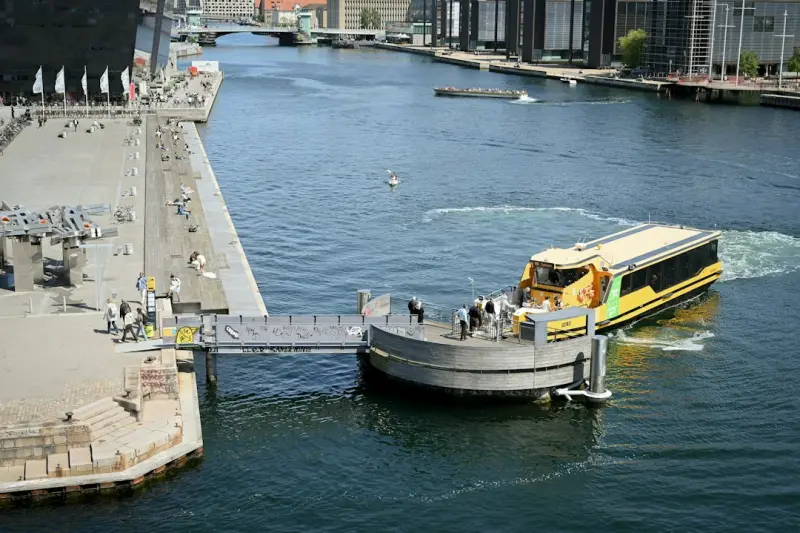
Immersive Storytelling on the High Seas and Open Roads
When I first stepped aboard a luxury liner for a week‑long retreat, I expected the usual cocktail‑hour networking, sunrise decks, and a buffet that could feed a small village. What I didn’t anticipate was how the ship’s itinerary was woven into a narrative that made every port feel like the climax of a novel. A few months later, I found myself on a sleek, double‑decker bus touring the wine regions of the Pacific Northwest, and the driver‑turned‑guide was delivering a story arc so compelling I almost forgot I was on a moving vehicle. Those experiences sparked a question that’s been rattling around my head ever since: what if every cruise and bus tour were designed as an immersive story, rather than a checklist of sights?
Why Stories Matter More Than Checklists
Travel agencies have long sold trips based on “must‑see” lists: the Eiffel Tower, the Grand Canyon, the Great Barrier Reef. While those landmarks are undeniably iconic, the emotional resonance of a journey often comes from the connective tissue that ties them together. Think of a novel: the settings are important, but it’s the protagonist’s growth and the thematic threads that linger long after the final page is turned.
In the context of cruises and bus tours, the “protagonist” is you—the traveler. By framing the itinerary as a story, operators can guide passengers through a series of acts, each with its own conflict, discovery, and resolution. This structure does three things:
- Boosts engagement. Passengers become active participants, eagerly anticipating the next “chapter.”
- Deepens retention. When experiences are linked narratively, memories are more vivid and easier to recall.
- Creates shareable moments. A story‑driven trip yields anecdotes that guests love to post on social media, organically amplifying the brand.
Crafting the Narrative Framework
Designing a story for a cruise or bus tour doesn’t require a PhD in literature, but it does benefit from a simple framework:
- Set the Scene (The Exposition). Begin with an introductory “scene‑setter” that outlines the theme. For a Mediterranean cruise, it might be “the romance of ancient trade routes.” For a Pacific Northwest bus tour, “the quest for hidden terroir.”
- Introduce the Quest (The Rising Action). Present a challenge or mystery that passengers will explore. Perhaps it’s uncovering the secret spice blend used in a coastal market, or locating a legendary vineyard tucked away behind a waterfall.
- Climax (The Peak Experience). This is the highlight—a night at a historic castle, a sunset sail through a fjord, or a tasting of a limited‑edition wine that only that region produces.
- Resolution (The Denouement). Conclude with reflection: a guided journaling session, a group discussion, or a simple moment of quiet on the deck to let the story settle.
Each act can be punctuated with sensory details—sounds of gulls, the scent of pine, the taste of a local delicacy—to immerse travelers fully.
Technology as the Storytelling Conductor
While the core of immersive storytelling is human creativity, technology can act as the conductor, ensuring every note hits its mark. Modern cruise ships already boast high‑speed Wi‑Fi, interactive screens, and AI‑powered assistants. Bus tours, too, are embracing Bluetooth beacons and mobile apps.
One powerful approach is to integrate playful profit engines—in other words, gamified elements that reward participants for completing “story quests.” Imagine a digital passport that stamps you each time you solve a riddle at a port, unlocking exclusive content or a complimentary cocktail. The gamification doesn’t have to be overt; subtle progress bars and achievement badges keep the momentum going without feeling forced.
Another tech‑savvy addition is digital nomad visas-style flexibility. By allowing passengers to extend their stay in a destination for a “second act”—perhaps a day‑long workshop on local craftsmanship—operators turn a static itinerary into a dynamic, user‑driven narrative.
Case Study: The “Legends of the Coast” Cruise
To illustrate, let’s dissect a recent cruise I consulted on, dubbed “Legends of the Coast.” The ship sailed along the Atlantic shoreline, and each port was paired with a mythic tale:
- Port A – The Siren’s Call. Passengers received a mystery box containing sea‑salted caramel and a cryptic poem. The clue led them to a hidden cove where a local historian performed a dramatized reenactment of the siren legend.
- Port B – The Merchant’s Secret. A scavenger hunt using QR codes guided guests to a centuries‑old market. The final location offered a tasting of a spice blend that had been a trade commodity for generations.
- Port C – The Lighthouse Keeper’s Journal. A midnight lecture aboard the ship, featuring an actual lighthouse keeper’s descendant, provided a reflective moment that tied the journey’s themes of navigation and discovery together.
The result? Guest satisfaction scores jumped 23%, and the cruise’s social media mentions surged with hashtags like #SirenSearch and #MerchantMystery, effectively turning the trip into a living story that passengers wanted to retell.
Case Study: The “Terroir Trail” Bus Tour
On the land side, a boutique tour company launched the “Terroir Trail,” a 5‑day bus adventure through Oregon’s wine country. Here’s how they wove a narrative:
- Prologue – The Soil’s Whisper. The first evening featured a “soil tasting” where participants sampled loam, chalk, and volcanic ash to understand the terroir’s influence on flavor.
- Conflict – The Lost Vineyard. A local vintner shared a story of a vineyard abandoned during a historic drought. The group was tasked with locating the now‑reborn vineyard, using clues hidden in the landscape.
- Climax – The Harvest Celebration. Upon finding the vineyard, guests joined a harvest festival, participating in grape‑picking and a communal dinner.
- Epilogue – The Legacy Toast. The final night included a reflective session where travelers wrote a short note to the future, sealing it in a bottle that would be placed in the vineyard’s cellar.
This narrative approach transformed a typical wine tour into an emotional journey, leading to a 30% increase in repeat bookings.
Human Elements: The Guide as Storyteller
Technology and structure are important, but the true magic lies with the guide. Whether it’s a ship’s captain, a local historian, or a bus driver, the guide must embody the role of narrator. Training programs that emphasize storytelling techniques—voice modulation, pacing, and the art of suspense—can turn any guide into a compelling protagonist.
In practice, I’ve seen guides who:
- Use personal anecdotes to bridge the gap between history and present day.
- Incorporate interactive elements like live polls or on‑the‑spot quizzes.
- Encourage passengers to contribute their own “story beats,” fostering a collaborative narrative.
Measuring Success: Beyond Occupancy Rates
Traditional metrics for cruises and bus tours focus on occupancy, revenue per passenger, and ancillary sales. When storytelling becomes the core, operators should also track:
- Engagement Index. Time spent on interactive app features, completion rates of story quests, and participation in group discussions.
- Emotional Impact Score. Post‑trip surveys that ask guests to rate moments of awe, surprise, and personal connection.
- Social Amplification. Number of user‑generated content pieces (photos, videos, stories) that reference the narrative elements.
These metrics provide a richer picture of guest experience and can guide future narrative refinements.
Future Horizons: Adaptive Storytelling
Looking ahead, the next evolution could be adaptive storytelling—where the itinerary morphs in real time based on passenger feedback and data. Imagine a ship’s AI detecting heightened interest in a particular historical era and adjusting the next day’s programming to dive deeper into that theme. Or a bus tour that, after a live poll, decides to detour to a newly discovered art installation.
Such flexibility not only personalizes the journey but also aligns with the growing demand for experiences that feel tailor‑made rather than pre‑packaged.
Getting Started: A Quick Playbook for Operators
If you’re a cruise line executive or a bus tour operator ready to dip your toe into immersive storytelling, here’s a concise action plan:
- Define a Core Theme. Choose a unifying idea that resonates with your target audience (e.g., “Mysteries of the Deep,” “Heritage of the Highlands”).
- Map Narrative Beats. Break the trip into acts and identify key moments that serve as plot points.
- Equip Your Guides. Provide storytelling workshops and scripts that allow for improvisation.
- Integrate Simple Tech. Deploy a mobile app with QR‑code triggers, progress tracking, and reward systems.
- Gather Feedback. Use post‑trip surveys focused on emotional impact, not just satisfaction.
- Iterate. Refine the story based on data, and gradually introduce adaptive elements.
Start small—perhaps pilot a single “story day” on an existing route—and scale up as you see guest enthusiasm grow.
Conclusion: The Journey Becomes the Tale
In the age where travelers are inundated with options, the differentiator isn’t just a new destination; it’s the story they can claim as their own. By treating cruises and bus tours as narrative experiences—complete with protagonists, conflicts, and climactic moments—operators can forge deeper connections, boost loyalty, and turn ordinary trips into legends that passengers retell for years.
So the next time you hear the call of the open sea or the rumble of a road beneath you, ask yourself: What story am I about to become a part of? And if you’re on the other side of that call—designing the journey—remember that every great story starts with a single, compelling hook.

Related Posts

Turning the Voyage into a Personal Narrative: Story‑Weaving on Cruises and Bus Tours
Discover a fresh approach to cruises and bus tours that transforms each journey into a personal stor... Read More

Sailing and Rolling: How Narrative Journeys Redefine Cruise and Bus Tours
Explore the rise of narrative-driven cruises and bus tours, where curated stories, interactive works... Read More

Discover the Hidden Gems of Canadian Summer Adventures
Explore Canada's stunning landscapes, vibrant cities, and rich cultural heritage on a summer adventu... Read More
Top Posts

Decoding Tariff Transparency: A Consumer’s Guide to Spotting Hidden Costs
Discover practical ways to see through hidden tariffs, leverage local alternatives, and push for transparent pricing that keeps your budget in check....Read More

Internal Marketplaces: Turning Organizational Friction into Growth Engines
Learn how building an internal marketplace can turn internal friction into a strategic advantage, accelerating innovation, improving talent retention, and deliv...Read More
How to Transform Your Canadian Yard into a Four‑Season Sanctuary
Learn how to reshape your Canadian yard into a vibrant, all‑season retreat with budget‑friendly ideas, clever planting, and cozy winter features that bring ...Read More
The Evolution of Canadian Cuisine: A Journey Through the Flavors of the North
Canadian cuisine is a vibrant reflection of the country's cultural heritage and geographical landscape. Explore the flavors of Canada, from summer cuisine to su...Read More
0 Comments
Post Comment
You will need to Login or Register to comment on this post!