

Running a restaurant in today’s hyper‑connected market feels a bit like piloting a spaceship: you’re juggling crew schedules, inventory, customer expectations, and an ever‑shifting regulatory atmosphere, all while trying to keep the engines humming profitably. Over the past few years, I’ve watched the industry sprint toward technology like a marathoner spotting the finish line. But the real breakthrough isn’t just “more tech”—it’s the strategic alignment of data, people, and purpose. In this post I’ll walk you through three under‑the‑radar levers that are turning ordinary eateries into predictive, revenue‑generating powerhouses.
The Silent Game‑Changer: AI‑Driven Labor Forecasting
Staffing has always been the Achilles’ heel of restaurant operations. A single mis‑step—over‑staffing on a slow night or under‑staffing during a rush—can erode margins by 10‑15 %. Traditional scheduling tools rely on static templates and gut‑feel, which simply can’t keep pace with the volatility of modern dining patterns (think pop‑up events, delivery spikes, and seasonal menu changes).
Enter AI‑powered labor forecasting platforms. These systems ingest point‑of‑sale (POS) data, reservation trends, weather forecasts, local event calendars, and even social media buzz to predict foot traffic down to the hour. The output? A dynamic staffing schedule that tells you exactly how many line cooks, bartenders, and servers you need for each shift, down to the minute.
What makes this technology genuinely disruptive is the feedback loop it creates. When you adjust the schedule based on the AI’s recommendation, the system learns the impact of that change on labor cost and service speed, refining its predictions for the next cycle. The result is a continuously improving model that can shave hours of labor waste each week—translating to tens of thousands of dollars saved annually for a mid‑size restaurant.
From a leadership perspective, this also frees up managers to focus on coaching and guest experience rather than micromanaging shift swaps. It’s the operational equivalent of turning “customer success” into a predictable revenue engine, a concept I’ve explored in depth in Turning Customer Success into a Predictable Revenue Engine. When you can predict labor needs, you can predict service quality, which in turn drives repeat business.
Data‑First Menu Design: From Guesswork to Science
Menu engineering has long been an art—chefs dreaming up dishes, owners guessing what will sell. However, the modern diner is data‑savvy. Mobile ordering platforms, loyalty apps, and even contactless payment systems generate granular insights about which dishes are truly resonating.
By aggregating this data and applying statistical models, you can answer critical questions:
- Which items have the highest contribution margin? Not just price, but the true cost of ingredients, prep time, and waste.
- What combinations of dishes drive upsell? For example, a certain entrée might pair perfectly with a specific side that boosts average check size.
- How do regional tastes shift over time? A spice blend that flies in downtown may flop in a suburban market, prompting localized menu tweaks.
Armed with these insights, chefs can iterate faster, removing underperforming dishes and spotlighting hidden gems. The process also empowers the front‑of‑house to upsell with confidence, because they’re backed by hard data rather than anecdotal “best seller” myths.
One practical tip: start small. Choose a single category—say, appetizers—and run a 30‑day A/B test where you tweak placement, description, and pricing based on data insights. Track the impact on order frequency and profit. Once you see a lift, expand the methodology across the whole menu.
Community‑First Loyalty: Turning Diners into Brand Advocates
Traditional loyalty programs are often a blunt instrument—earn points, get a free coffee. They rarely capture the emotional bond diners have with a local spot. The next evolution is a community‑first loyalty strategy that treats customers as co‑creators.
Here’s how you can build it:
- Co‑create menu items. Invite regulars to vote on a new dish or suggest a twist on a classic. The winning creation gets a special “guest‑chef” badge on the menu.
- Reward storytelling. Encourage diners to share their experience on social platforms, tagging the restaurant. Each authentic post earns micro‑rewards—perhaps a complimentary dessert or priority reservation.
- Host exclusive events. Think “Chef’s Table” nights where loyalty members get a behind‑the‑scenes tour, a cooking demo, and a chance to meet the staff.
This approach transforms the loyalty program from a transactional points system into a vibrant community hub. The payoff is twofold: higher lifetime value per guest and a network of brand ambassadors who organically amplify your reach. The philosophy mirrors the ideas outlined in Community‑First Marketing: Turning Users Into Growth Engines, but with a focus on the physical dining experience.
Hyper‑Localized Sourcing Powered by Blockchain
While the “zero‑waste” movement is gaining traction, many restaurants still struggle with supply chain transparency. Knowing exactly where each ingredient originated can be a differentiator—especially for diners who care about sustainability and food safety.
Blockchain offers a tamper‑proof ledger that records each step of an ingredient’s journey: farm, processing, transport, and delivery. By integrating a simple QR code on the menu, patrons can scan and see the full provenance of, say, the heirloom tomatoes in their Caprese salad. This transparency builds trust and allows you to command a premium price for “farm‑to‑table verified” dishes.
Implementation isn’t as daunting as it sounds. Several SaaS providers now offer plug‑and‑play modules that integrate with existing POS systems. The key is to start with a few high‑visibility ingredients—think meats, seafood, and specialty produce—then gradually expand as the process matures.
Smart Waste Management: Turning Leftovers into Data Gold
Even with meticulous menu engineering, some waste is inevitable. However, waste can become a powerful data source if you treat it like any other operational metric. Smart waste bins equipped with weight sensors and IoT connectivity can log the type and amount of waste generated in real time.
Analyzing this data reveals patterns: perhaps a particular prep method consistently yields excess trimmings, or a seasonal dish is over‑produced. Armed with these insights, you can adjust portion sizes, repurpose trimmings into stocks, or redesign the dish entirely.
Beyond cost savings, this practice aligns with growing consumer demand for responsible dining. When you can point to concrete data showing a 20 % reduction in food waste over six months, you have a compelling story to share with both guests and the press.
Integrating All the Levers: A Blueprint for the Modern Restaurant
Individually, each of these technologies—AI labor forecasting, data‑first menu design, community‑first loyalty, blockchain sourcing, and smart waste management—offers meaningful improvements. The real magic happens when they’re woven into a unified ecosystem.
- Data Hub. Centralize all data streams—POS, reservation, inventory, waste sensors—into a single analytics platform.
- Actionable Insights. Use AI to surface insights across the board: staffing recommendations, menu performance, supplier reliability, and waste trends.
- Automation. Connect insights to execution tools—auto‑schedule staff, push menu updates to digital boards, trigger loyalty rewards, and send reorder alerts to suppliers.
- Feedback Loop. Continuously feed operational outcomes back into the data hub to refine models.
This loop creates a self‑optimizing restaurant that can adapt on the fly to a sudden surge in delivery orders, a new health inspection regulation, or a shift in consumer taste. It’s the restaurant equivalent of a “predictable revenue engine” for SaaS businesses—steady, data‑driven growth that scales with confidence.
Getting Started: A Pragmatic First‑Step Plan
If the above feels overwhelming, start small and iterate:
- Pick a Pain Point. Identify the biggest leak in your profit equation—labor, menu performance, or waste.
- Choose a Tool. For labor, explore an AI scheduling platform with a free trial. For menu, look for a POS add‑on that offers item‑level analytics.
- Set a KPI. Define a measurable goal—e.g., reduce labor overtime by 12 % or increase average check size by $3.
- Run a Pilot. Implement the tool in one location or one shift, collect data for 30 days, and compare against your baseline.
- Scale. If the pilot meets the KPI, roll out to additional locations or expand the scope.
Remember, technology is an enabler, not a replacement for the human touch that makes dining memorable. Use these tools to free your team from repetitive tasks so they can focus on what truly matters: creating delicious food, delivering heartfelt service, and building lasting relationships with guests.
In the end, the restaurants that thrive will be those that blend the art of hospitality with the science of data. By embracing AI, community‑first loyalty, and transparent sourcing, you’ll not only boost the bottom line—you’ll craft an experience that diners can’t find anywhere else. And that, dear reader, is the most powerful competitive advantage in the crowded culinary landscape.

Related Posts

Ghost Kitchens & Data‑Driven Menus: The Hidden Battle Winning the Modern Plate
Ghost kitchens are turning the restaurant industry upside down. Learn how data‑driven menus, subsc... Read More

Why Real‑Time Data Is the New Front‑Row Seat in Restaurants
Discover how real‑time data is revolutionizing restaurant operations—from kitchen dashboards and... Read More
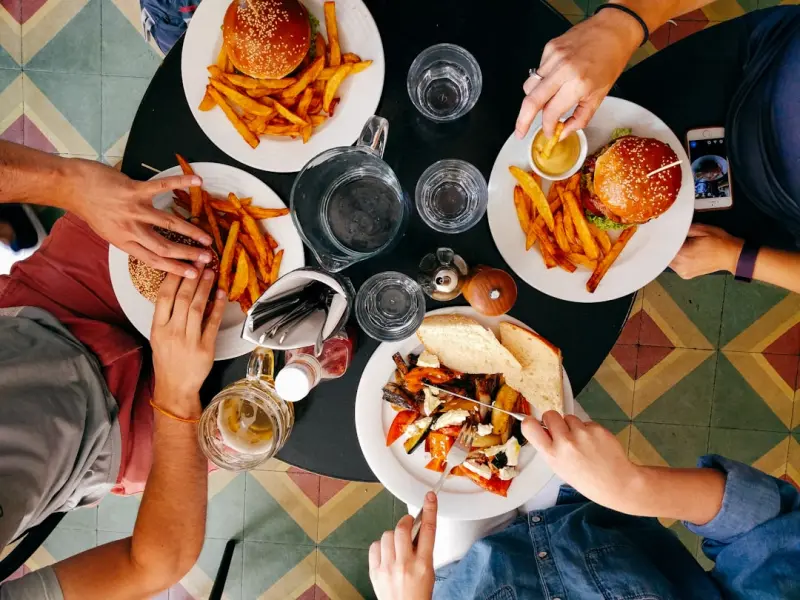
Beyond the Plate: How Augmented Reality is Redefining the Restaurant Experience
Mark Daniels shares his hands‑on journey integrating augmented reality into his restaurant, detail... Read More
Top Posts

The Intersection of Politics and Tourism: A Canadian Perspective
Discover the intricate relationship between politics and tourism in Canada, and how it affects our economy, environment, and communities. Learn about sustainabl...Read More

When AI Toys Turn Playtime Into a Data Mine: A Parental Warning
AI‑enabled toys collect data and push hidden subscriptions, reshaping childhood. Learn how to spot the risks and safeguard your family....Read More
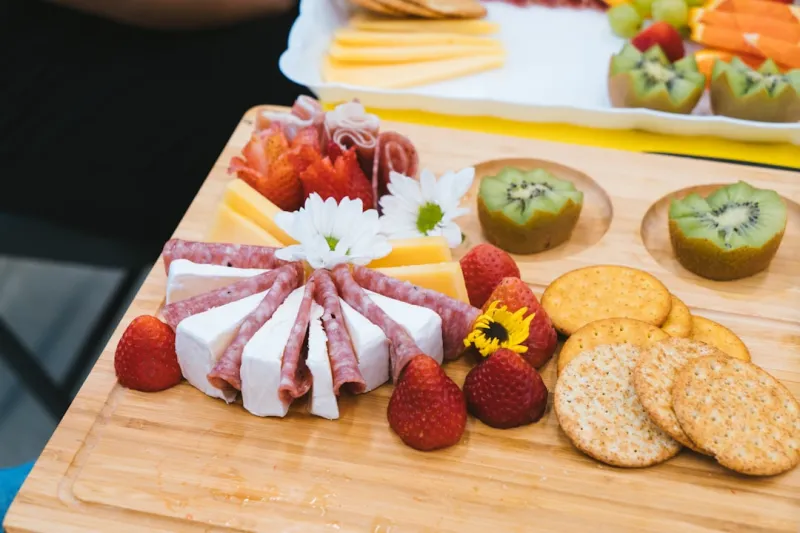
The Flavors of Canadian Summer: A Culinary Journey
Canadian summers are a culinary journey like no other. Explore the country's diverse flavors, rich culinary heritage, and breathtaking landscapes. Discover the ...Read More

The Rise of Seamless Sea‑to‑Road Journeys for the Connected Explorer
Modern travelers are blending ocean cruises and bus tours into a fluid adventure, leveraging technology, wellness design, and eco‑conscious planning to create...Read More
0 Comments
Post Comment
You will need to Login or Register to comment on this post!