
Why Digital Nomad Visas Are the New Travel Gold Rush
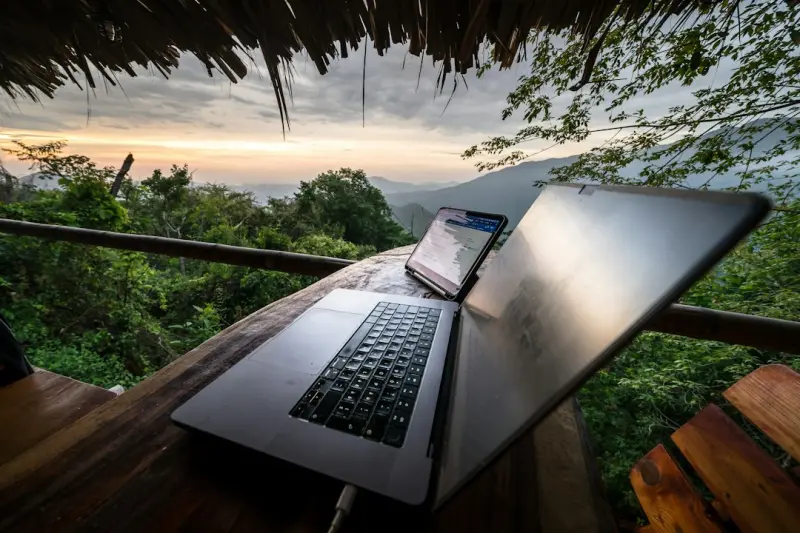
When the pandemic forced us to trade office cubicles for kitchen tables, a quiet revolution began to reshape the very definition of “vacation.” No longer are travelers just tourists ticking off landmarks; they’re now remote workers who can set up a laptop on a balcony in Bali, a co‑working space in Lisbon, or a mountain lodge in Medellín. Governments have caught on, launching digital nomad visa programs that promise long‑term stays, tax incentives, and a legal pathway for location‑independent professionals. The result is a seismic shift: travel is becoming a career strategy, and countries are racing to become the next hub for the world’s wandering workforce.
The Economics Behind the Visa Wave
At first glance, a visa that lets you stay for six months to a year sounds like a win‑win, but the financial mechanics are more intricate. Host nations see a direct boost to their local economies—think cafés, gyms, and boutique hotels that thrive on a steady stream of high‑spending, tech‑savvy residents. Indirectly, these visitors inject capital into real estate, creating demand for short‑term rentals and even spurring new construction tailored to the remote‑work lifestyle.
Meanwhile, the tariff transparency trend in global trade offers a useful parallel. Just as clear tariffs can unlock market potential for SaaS providers, transparent visa policies unlock tourism potential for nations. When rules are clear, predictable, and digitally accessible, the barrier to entry drops dramatically, encouraging a broader demographic to take the plunge.
What Makes a Country Attractive to Nomads?
Beyond visa length and tax breaks, the true magnets are quality of life factors that align with the remote worker’s needs. Reliable high‑speed internet is non‑negotiable; without it, a digital nomad quickly becomes a stranded tourist. Safety, cost of living, and a vibrant expatriate community also play pivotal roles. This is where micro‑communities provide a surprising insight: smaller, tightly‑knit groups often foster deeper connections and faster integration than larger, anonymous cities.
Take the case of Medellín, Colombia. Once notorious, it now boasts a thriving micro‑community of freelancers, designers, and developers who meet weekly in coworking cafés. The city’s climate, low living costs, and government‑backed visa program have transformed it into a magnet for those seeking a balance between work and adventure.
Visa Structures: One‑Size‑Doesn’t‑Fit‑All
Countries are experimenting with a variety of visa frameworks:
- Fixed‑term visas—typically six to twelve months, renewable, with minimum income requirements.
- Earn‑while‑you‑stay permits—allowing freelancers to earn from abroad while contributing to the local economy.
- Hybrid residency—a blend of tourism and work permits, often paired with tax incentives for entrepreneurs.
Each model reflects a different strategic priority. For instance, Estonia’s e‑Residency program focuses on attracting entrepreneurs who can register businesses remotely, while Portugal’s “Tech Visa” zeroes in on skilled tech talent to bolster its innovation ecosystem.
Challenges: From Bureaucracy to Cultural Integration
Even with enticing offers, digital nomads face hurdles. The bureaucracy surrounding visa applications can be labyrinthine, especially for countries still perfecting their digital processing systems. Moreover, cultural assimilation is not automatic. Language barriers, differing work norms, and varying expectations around work‑life balance can create friction.
To mitigate these issues, some destinations are partnering with private platforms that provide onboarding services—helping newcomers find housing, navigate local regulations, and connect with existing nomad networks. This collaborative approach mirrors the SaaS model where platforms simplify complex processes for end‑users.
The Ripple Effect on Traditional Tourism
Long‑term stays are reshaping the classic tourism cycle. Instead of a brief influx of visitors during peak seasons, destinations now enjoy a steady flow of revenue throughout the year. Hotels are repurposing rooms into “work‑friendly suites,” equipped with ergonomic chairs, standing desks, and private video‑conference booths. Restaurants are extending Wi‑Fi coverage to outdoor patios, recognizing that diners often double as remote workers.
These adaptations are creating a new hybrid market segment that sits somewhere between conventional hospitality and co‑working spaces. The result is a more resilient tourism sector that can weather seasonal fluctuations and global shocks more effectively.
Future Outlook: Competition, Collaboration, and the Role of Technology
As more nations join the digital nomad race, competition will intensify. We can expect to see:
- Greater standardization of visa criteria, possibly guided by international bodies.
- Enhanced digital platforms that aggregate visa information, cost‑of‑living calculators, and community forums.
- Deeper public‑private partnerships to develop infrastructure—think 5G rollout in remote islands or incentives for eco‑friendly co‑working hubs.
Ultimately, the success of this trend hinges on striking a balance: offering enough flexibility to attract talent while safeguarding local cultures and economies. When done right, digital nomad visas can become a catalyst for sustainable growth, turning travel from a fleeting escape into a lasting economic engine.
Getting Started: A Practical Checklist for Aspiring Nomads
If you’re considering swapping your office view for a sunrise over the Andes, here’s a quick roadmap:
- Identify target destinations based on internet reliability, cost of living, and community presence.
- Review visa eligibility—check income thresholds, health insurance requirements, and application timelines.
- Secure accommodation—look for flexible leases or co‑living spaces that cater to remote workers.
- Set up tax compliance—consult a tax professional to understand obligations both at home and abroad.
- Engage with local micro‑communities—join online groups, attend meet‑ups, and contribute to the host culture.
By following these steps, you’ll transition from a traveler who “works while they wander” to a true digital citizen, contributing value to both your home base and your new temporary home.

Related Posts
The Quiet Revolution of Micro‑Escapes: Redefining Travel One Weekend at a Time
Micro‑escapes—brief, purposeful trips—are changing travel by blending sustainability, communit... Read More
Travel NFTs: Unlocking Exclusive Experiences and Community Ownership
Travel NFTs are turning trips into tokenized experiences that grant exclusive access, community owne... Read More

Pop‑Up Staycations: Turning Empty Spaces into Boutique Travel Gems
Discover the rise of pop‑up staycations—temporary boutique hotels created from unused urban spac... Read More
Top Posts

Tariff Turbulence: Turning Trade Barriers into SaaS Pricing Opportunities
Tariffs are reshaping the SaaS landscape, affecting costs, pricing, and compliance. This post reveals how subscription‑first strategies, deal stacking, and ag...Read More

Hidden Costs of Convenience: What Your Wallet Isn't Seeing
A deep dive into the stealthy expenses of the convenience economy—subscriptions, micro‑fees, and on‑demand services—offering practical steps to uncover ...Read More

The Unseen Struggles of Mental Health in Rural Canada
The state of mental health in rural Canada is a pressing concern. Learn about the challenges faced by rural Canadians and what we can do to address them....Read More
Sailing Green: How Cruises and Bus Tours Are Pioneering Sustainable Travel
A deep dive into the emerging sustainability movement within cruise lines and bus tour operators, highlighting innovative practices, traveler benefits, and the ...Read More
0 Comments
Post Comment
You will need to Login or Register to comment on this post!