
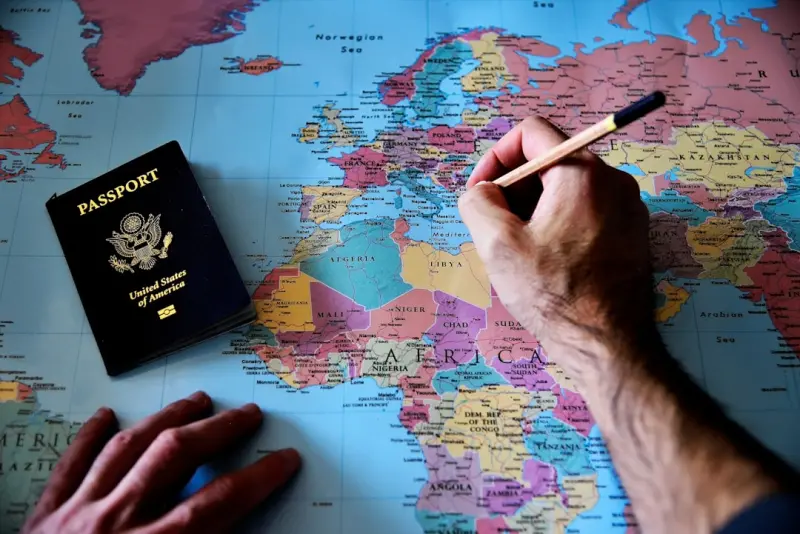
Why Pop‑Up Paradises Are the Next Big Thing in Travel
When I first booked a weekend in a refurbished shipping container tucked beside a desert oasis, I expected novelty. What I got instead was a glimpse into a seismic shift that’s quietly rewriting the rules of tourism. These temporary, often experimental, destinations—what I like to call “pop‑up paradises”—are turning the travel industry on its head by marrying flexibility, community, and sustainability in ways that traditional hotels and resorts never could.
The DNA of a Pop‑Up Experience
At their core, pop‑up travel experiences are built on three pillars:
- Ephemeral Design: Structures and events exist for a short, intentional period—weeks, months, or even days—before they are dismantled or moved.
- Community‑First Curation: Local artisans, chefs, and creators are invited to co‑design the experience, turning visitors into participants rather than passive observers.
- Eco‑Conscious Footprint: By design, these installations aim to leave as little trace as possible, often reusing materials and sourcing power from renewable grids.
These attributes combine to create a sense of urgency and intimacy that static, year‑round resorts simply can’t replicate.
From Concept to Reality: Real‑World Examples
Take the co‑created cruise adventures that have been popping up in coastal towns across Canada. Instead of a pre‑set itinerary, passengers are invited to vote on activities, from local fishing workshops to night‑time stargazing sessions. The result is a fluid travel narrative that evolves with each guest’s preferences.
In the Pacific Northwest, a series of pop‑up treehouse hotels emerged during a summer festival, each built from reclaimed timber and powered by solar panels. Guests spent nights perched among the canopy, waking to the chorus of birds—a reminder that nature can be both backdrop and co‑host.
Even the world of rail travel is feeling the ripple. The heritage train journeys that once focused solely on nostalgia are now integrating pop‑up dining cars and rotating art installations, turning each carriage into a moving gallery.
Why Travelers Are Flocking to Temporary Destinations
There are several psychological and practical reasons behind the surge:
- FOMO (Fear of Missing Out): The limited‑time nature of pop‑ups creates a sense of scarcity that drives bookings.
- Authenticity: Travelers crave genuine connections with place and people, and pop‑ups often involve locals in every step of the experience.
- Flexibility: With remote work becoming mainstream, many now have the freedom to chase a three‑day pop‑up in the mountains after a week of virtual meetings.
- Sustainability: Knowing that a structure will be taken down reduces the guilt associated with “over‑tourism.”
Designing a Pop‑Up Paradise: Lessons From the Field
If you’re a hospitality operator or a destination marketer, here are five takeaways from the most successful pop‑up projects:
- Start Small, Scale Fast: Pilot a weekend pop‑up in a low‑risk location. Collect data, iterate, and expand to longer stays.
- Leverage Local Talent: Partner with nearby chefs, musicians, and craftsmen. Their involvement not only enriches the guest experience but also injects revenue back into the community.
- Embrace Modular Architecture: Prefabricated units that can be assembled and disassembled quickly reduce labor costs and environmental impact.
- Integrate Technology Thoughtfully: While the experience is tactile, digital tools can streamline bookings, feedback loops, and even personalized itineraries that adapt in real time.
- Measure Impact Rigorously: Track metrics beyond occupancy—water usage, waste diversion, local economic spillover—to prove the model’s sustainability.
The Role of Tech: Personalization Meets Impermanence
Technology isn’t just a back‑office tool; it’s the connective tissue that makes pop‑up experiences feel seamless. AI‑driven platforms can analyze a traveler’s past preferences and suggest the most relevant pop‑up events, even tailoring on‑site activities in real time. Imagine arriving at a desert pop‑up and receiving a push notification that a local stargazer is offering a private telescope session at sunset—because the system knows you love astronomy.
Economic Upside for Host Communities
Pop‑up tourism can be a boon for economies that have been sidelined by the “big‑ticket” travel model. Because these projects are short‑term, they require fewer permits and can be launched with modest capital. The influx of visitors brings demand for local food, transport, and crafts, often resulting in a noticeable uptick in sales for small businesses during the pop‑up’s lifespan.
Consider the coastal village of Bayhaven, where a three‑month pop‑up surf camp generated a 45% increase in revenue for nearby cafés and surf shops. When the camp packed up, the community retained a newfound reputation as a surf destination, attracting independent travelers year after year.
Challenges: Navigating Regulations and Expectations
Pop‑up projects aren’t without hurdles. Temporary structures must meet safety codes, and local zoning laws can be a maze. Moreover, the promise of an “authentic” experience can sometimes slip into a curated spectacle if not managed carefully. Transparency with guests about the temporary nature of the venture—and the sustainability measures in place—helps set realistic expectations.
Future Outlook: Pop‑Ups as a Catalyst for Travel Innovation
Looking ahead, I see pop‑up paradises evolving in three exciting directions:
- Hybrid Physical‑Digital Spaces: Augmented reality overlays can enrich a pop‑up by adding historical narratives or interactive art that disappears with the structure.
- Micro‑Tourism Passports: Travel agencies could bundle a series of pop‑up stays across a region, encouraging travelers to collect “stamps” from each location, fostering repeat visits.
- Climate‑Responsive Design: Structures that adapt to weather patterns—e.g., retractable roofs for rain, solar‑powered cooling for heat—will become standard, ensuring comfort while minimizing environmental impact.
These trends suggest that pop‑ups aren’t a fleeting fad but a foundational shift toward a more adaptable, community‑centric, and eco‑mindful travel landscape.
How You Can Get Involved
Whether you’re a seasoned traveler, a budding entrepreneur, or a community leader, there are simple ways to dive into the pop‑up movement:
- Follow local tourism boards on social media for announcements of upcoming pop‑up events.
- Volunteer your skills—whether it’s cooking, photography, or event planning—to help shape a pop‑up experience.
- Invest in modular, reusable design kits that can be deployed in various locations.
- Share your stories and feedback online to help creators refine future iterations.
By supporting these temporary ventures, you’re not only satisfying your wanderlust—you’re also contributing to a more resilient and sustainable travel ecosystem.
Final Thoughts
Pop‑up paradises embody the spirit of travel that I’ve chased my whole career: curiosity, connection, and the willingness to step outside the ordinary. They remind us that the world isn’t a static museum; it’s a living canvas, constantly being repainted by those bold enough to set up a tent, a treehouse, or a pop‑up café for just a moment. As the travel industry continues to navigate post‑pandemic realities and climate challenges, these fleeting yet powerful experiences might just be the compass we need to steer toward a more vibrant, inclusive, and sustainable future.

Related Posts

Beyond the Horizon: How Rail Journeys Redefine Sustainable Adventure
Discover the rise of rail‑based tourism that offers immersive cultural stops, eco‑friendly route... Read More

Beyond Sightseeing: Crafting Immersive Micro‑Adventure Circuits for the Modern Explorer
Micro‑adventures are the new frontier in travel, blending short, immersive trips with local cultur... Read More

Travel NFTs: Unlocking Exclusive Experiences and Community Ownership
Travel NFTs are turning trips into tokenized experiences that grant exclusive access, community owne... Read More
Top Posts

How Remote Work Contracts are Redefining Canadian Employment Law
A deep dive into the legal complexities of remote‑work contracts in Canada, covering privacy, jurisdiction, compensation, and future hybrid trends....Read More

Cultivating a Food Forest: The Urban Gardener’s Guide to Edible Landscapes
A food forest layers fruit trees, shrubs, herbs, and ground‑covers to create a self‑sustaining garden that yields fresh produce year‑round, reduces waste,...Read More

The Buzz About Energy Drinks: Understanding the Risks for Teens
In recent years, the energy drink market has experienced a phenomenal surge, fueled by clever marketing strategies and the pervasive influence of social media. ...Read More
The Dark Side of Rural Living: A Parental Warning
Rural living can be a wonderful experience, but it's essential to be aware of the potential challenges and dangers. Learn how to mitigate risks and create a saf...Read More
0 Comments
Post Comment
You will need to Login or Register to comment on this post!