
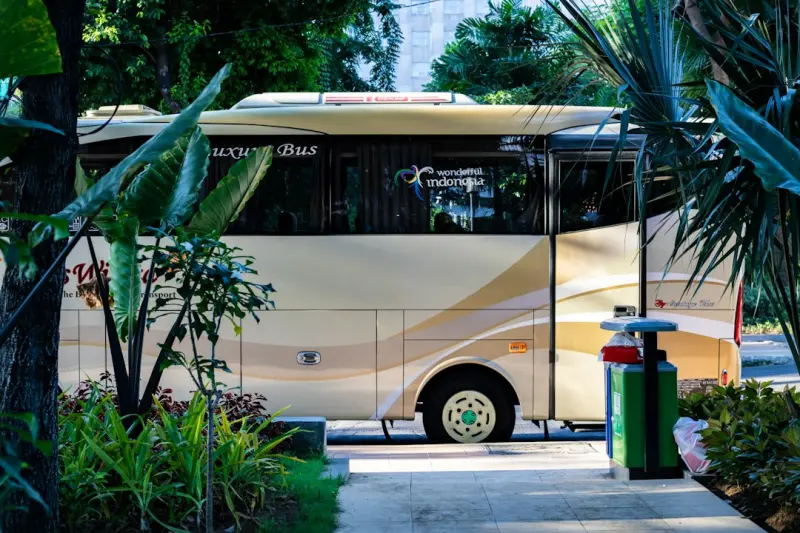
When I first stepped aboard a sleek river cruiser after a morning bus ride through the highlands, I felt a subtle shift in my travel mindset. It wasn’t just the change in scenery; it was the seamless blend of two worlds that traditionally sit on opposite ends of the itinerary spectrum. The cruise‑bus hybrid model is quietly reshaping how we think about long‑haul vacations, business retreats, and even educational expeditions. In this post, I’ll unpack why this convergence is gaining momentum, how technology is weaving the experience together, and what it means for travelers who crave depth without the logistical headaches.
The Genesis of the Hybrid Model
Historically, cruise lines have marketed themselves as floating resorts, while bus tour operators positioned themselves as ground‑level explorers. Both have strong, loyal followings, but each also carries a set of constraints: cruises demand port‑centric planning and often lock guests into a fixed schedule, whereas bus tours can feel cramped and are limited by road infrastructure.
Enter the hybrid model—an orchestrated partnership where a bus drops passengers at a strategic port, they board a cruise for the sea portion, and then reconvene on a bus for the inland leg. This isn’t a novelty gimmick; it’s a strategic response to three evolving traveler demands:
- Flexibility: Modern vacationers want the ability to switch between land and water without rebooking or navigating separate providers.
- Immersive storytelling: Journeys that connect diverse ecosystems—coastal, maritime, and mountainous—create a richer narrative arc.
- Value optimization: Bundling services often unlock pricing advantages that are hard to achieve when buying each leg separately.
These drivers echo the principles behind smart bundles in the SaaS world—where packaging complementary services together creates a win‑win for both provider and customer.
Technology as the Glue
What makes today’s hybrid tours possible is a sophisticated digital backbone that synchronizes itineraries, payments, and even on‑board experiences across two very different transport modes.
- AI‑driven itinerary engines analyze a traveler’s preferences—from cuisine to activity intensity—and suggest the optimal mix of bus routes and cruise days. This mirrors how personalized recommendations have transformed e‑commerce, but with a focus on real‑time logistics.
- Unified booking platforms eliminate the need for separate confirmation numbers. One dashboard lets travelers manage seat assignments, cabin preferences, and shore‑excursion tickets in a single view.
- Real‑time data sharing between bus fleets and cruise ships ensures that delays on one side are instantly reflected across the entire itinerary, reducing the dreaded “missed connection” anxiety.
These innovations also open doors for dynamic pricing models that reward early adopters with lower rates, while still protecting revenue through predictive analytics. Think of it as the travel equivalent of deal stacking—multiple savings layers that compound as the journey evolves.
Designing the Experience: From Port to Peak
Let’s walk through a flagship itinerary to illustrate the potential:
- Day 1 – Scenic Bus Arrival: Guests board a luxury coach that winds through vineyards, historic villages, and coastal cliffs, arriving at a boutique marina just as the sun sets.
- Day 2–4 – Oceanic Exploration: Onboard a midsize cruise ship, travelers enjoy curated workshops—marine biology talks, cooking classes featuring local seafood, and starlit yoga on deck. The ship’s itinerary is designed to dock at lesser‑known ports, allowing for authentic cultural immersion.
- Day 5 – Land Transition: After disembarking, a shuttle bus transports guests to an inland base camp where they can hike, bike, or engage in community‑led projects.
- Day 6–7 – Alpine Adventure: The final bus leg traverses mountain passes, culminating in a sunrise ceremony at a historic viewpoint, before looping back to the original departure point.
This layered narrative feels less like a series of disjointed activities and more like a story with a clear beginning, middle, and climax. It also allows operators to upsell tailored experiences—such as a private marine ecology dive on Day 3 or a guided mountain photography tour on Day 6—without fragmenting the core itinerary.
Business Benefits: Why Operators Should Jump In
From the provider’s perspective, the hybrid approach offers several strategic advantages:
- Higher occupancy rates: By cross‑selling between bus and cruise inventories, operators can fill seats that might otherwise sit idle during off‑peak seasons.
- Reduced customer acquisition cost: Joint marketing campaigns tap into each partner’s audience, expanding reach without a proportional spend increase.
- Data synergies: Shared customer insights enable more precise targeting for future offers, similar to how data consolidation drives better outcomes in other industries.
Moreover, the bundled nature of these trips encourages repeat business. Guests who loved the seamless transition are more likely to book a sequel, perhaps exploring a different region but with the same integrated format.
Addressing Common Concerns
Every emerging model brings skepticism. Here are the top three concerns travelers voice, and how the hybrid model addresses them:
1. “Will I lose the intimacy of a small‑group bus tour?”
Hybrid tours often retain the small‑group feel on the bus portion, while the cruise segment offers a larger, resort‑style environment. Operators can segment spaces—dedicated lounges for the original bus group—preserving the camaraderie formed on the road.
2. “What about environmental impact?”
While cruises have faced scrutiny over emissions, many modern vessels employ hybrid propulsion and advanced waste‑management systems. Pairing these with fuel‑efficient buses can actually lower the overall carbon footprint compared to separate air travel plus land transport. Operators are increasingly highlighting these responsible choices in their marketing messaging.
3. “Is the logistics too complex?”
Thanks to the integrated booking platforms mentioned earlier, the traveler’s journey feels like a single, cohesive product. Behind the scenes, robust coordination teams and real‑time communication tools ensure that every handoff—from bus driver to ship captain—is smooth.
Future Trends: Where the Hybrid Model Is Headed
Looking ahead, three trends are poised to amplify the appeal of cruise‑bus hybrids:
Hyper‑Personalized Onboard Content
Imagine walking onto a cruise deck and seeing a digital display that greets you by name, suggests a shore excursion based on the photos you posted from the bus leg, and offers a tailored cocktail recipe featuring ingredients you tasted earlier. AI is making this level of personalization feasible, turning each moment into a curated experience.
Modular Vessel Designs
Shipbuilders are experimenting with modular interiors that can be reconfigured mid‑voyage. A day could start with a conference setup for a corporate retreat, then transform into a wellness spa for a leisure segment, catering to mixed‑purpose groups without the need for separate vessels.
Community‑Driven Shore Experiences
Local partners are increasingly involved in co‑creating shore‑side activities. By leveraging community expertise, operators can offer authentic, off‑the‑beaten‑path experiences that differentiate their hybrid tours from generic packages.
How to Choose the Right Hybrid Tour
If you’re intrigued by the concept, here are five criteria to evaluate before booking:
- Reputation of both partners: Research reviews for the bus operator and the cruise line separately, then look for joint testimonials.
- Transparency of itinerary: A clear day‑by‑day breakdown helps you understand when and where transitions occur.
- Flexibility options: Check if you can upgrade cabin classes or add extra shore excursions without excessive fees.
- Sustainability credentials: Look for certifications or clear statements about emissions reduction and waste management.
- Customer support integration: A single point of contact for both legs can save you headaches if something goes awry.
Final Thoughts: A New Chapter in Journey Design
Travel is evolving from a series of checkpoints into a fluid narrative that respects both the desire for adventure and the practicalities of modern life. By marrying the intimacy of bus tours with the expansive allure of cruising, the hybrid model offers a compelling answer to the “more or less?” dilemma that many of us face when planning our next getaway.
As we continue to see technology tighten the seams between land and sea, I anticipate that this integrated approach will become a staple on itineraries across the globe. Whether you’re a solo explorer seeking layered experiences, a corporate planner aiming for seamless team retreats, or an educator looking to combine classroom learning with real‑world exposure, the cruise‑bus hybrid offers a versatile canvas on which to paint your next adventure.

Related Posts
Charting New Waters: Reimagining the Cruise Experience Through Story‑Centric Design
A fresh look at how cruise lines can turn every deck and shore stop into a living narrative, borrowi... Read More
Rediscovering the Joy of Slow Travel: How Bus Tours Can Transform Your Family Vacation
Slow travel is more than just a trend; it's a mindset that encourages us to be present in the moment... Read More
Digital Detox on Decks and Highways: Crafting Low‑Tech Cruise and Bus Escapes
Explore the rise of low‑tech travel, from quiet‑coast cruises to analog bus tours, and learn pra... Read More
Top Posts
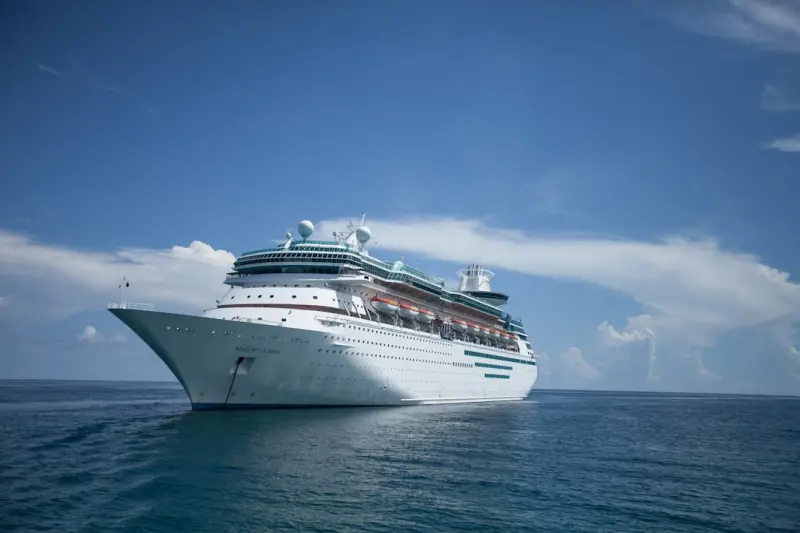
Beyond the Horizon: How Modern Cruises and Bus Tours Turn Travel into Personal Storytelling
Discover how today’s cruises and bus tours blend niche themes, smart data, and eco‑friendly practices to turn every trip into a personalized adventure....Read More
Tariff Turbulence: Your SaaS Stack Is the Next Battleground
Tariffs are seeping into the SaaS world, affecting costs, data residency, and pricing models. This article breaks down the hidden risks and offers practical ste...Read More

The Unseen Struggles of Canadian Farmers
Canadian farmers are the backbone of this country, but they face many unseen struggles. Learn more about the challenges they face and how you can support rural ...Read More

The Flavors of Community: How Local Food Can Bring People Together
Local food systems have the power to bring people together and promote community development. By supporting local farmers and producers, we can help to build a ...Read More
0 Comments
Post Comment
You will need to Login or Register to comment on this post!