
Imagine a bustling marketplace where the most valuable commodity isn’t a product or a patent, but the unique skill sets, passions, and untapped potential of your own employees. This isn’t a futuristic fantasy; it’s the emerging reality of internal talent marketplaces, and they’re rapidly becoming the silent growth engine for forward‑thinking enterprises.
What Is an Internal Talent Marketplace?
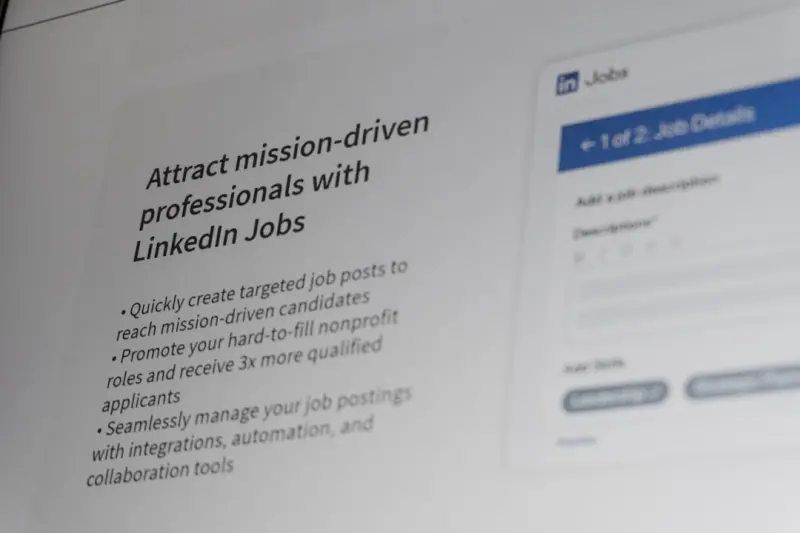
At its core, an internal talent marketplace (ITM) is a digital platform that lets employees discover, apply for, and move into short‑term projects, stretch assignments, or permanent roles within the same organization. Think of it as LinkedIn meets internal gig economy—but with a strategic twist: every move is designed to align personal development with business objectives.
Unlike traditional talent management systems that rely on annual reviews and static job descriptions, an ITM operates in real time. It surfaces opportunities based on skills, interests, and future‑proof needs, creating a fluid talent flow that can respond to market shifts faster than any hierarchical restructuring.
Why It Matters for Business Leaders
Businesses today grapple with three relentless pressures:
- Talent scarcity: The war for skilled workers isn’t just about hiring; it’s about retaining and continuously up‑skilling the talent you already have.
- Speed to market: New product cycles are shrinking, and the ability to reallocate expertise on demand can shave weeks—or even months—off delivery timelines.
- Strategic agility: Disruptive forces, from regulatory changes to emerging technologies, demand rapid pivots that traditional org charts can’t support.
An ITM directly addresses each of these challenges. By making talent visible and mobile, companies can fill skill gaps instantly, accelerate innovation pipelines, and cultivate a culture of continuous learning that keeps employees engaged.
The Business Benefits in Detail
Let’s break down the concrete advantages that translate into bottom‑line impact.
1. Faster Project Execution
When a new client request arrives, the first question is usually, “Who can do this?” With an ITM, a project manager can instantly query the platform for employees who possess the required competencies, view their availability, and extend an invitation—all within minutes. This eliminates the lag of manual scouting and approvals.
2. Higher Employee Retention
Stagnation is a silent resignation trigger. Giving employees the autonomy to explore diverse roles fuels their sense of purpose. According to a recent Harvard Business Review study, professionals who can move laterally within their organization are 30% less likely to leave within two years.
3. Data‑Driven Workforce Planning
Every match, application, and skill endorsement generates data. Over time, leaders can map skill heatmaps, forecast future talent needs, and even identify emerging expertise before competitors do. This data becomes a strategic asset—much like the data‑driven trust frameworks that are reshaping governance models.
4. Cost Savings on External Hiring
Recruiting from the outside is expensive—think advertising, agency fees, onboarding, and the hidden cost of cultural misfit. By surfacing internal candidates first, companies can reduce external hiring by up to 40%, according to a 2023 Gartner benchmark.
5. Innovation Through Cross‑Pollination
When a data scientist collaborates with a product designer on a side project, new perspectives emerge that would never surface in siloed teams. These cross‑functional experiments often spark the next breakthrough product or service.
Building an Effective Internal Talent Marketplace
Launching an ITM isn’t just about installing software; it’s a cultural shift. Below are the essential pillars to consider.
Technology Stack
Choose a platform that integrates seamlessly with your existing HRIS, LMS, and collaboration tools. Look for AI‑powered matching algorithms that consider not only hard skills but also soft skills, career aspirations, and past project performance.
Skill Taxonomy
Develop a granular, standardized taxonomy of skills. This is the language that powers the matching engine. Involve employees in the process—crowdsourcing skill definitions encourages ownership and improves accuracy.
Incentive Structures
Reward participation. Whether through recognition badges, bonus points, or tangible career advancement, incentives ensure that employees view the marketplace as a genuine growth avenue rather than an administrative chore.
Governance and Transparency
Set clear policies around eligibility, project duration, and compensation. Transparency builds trust; employees need to know that the marketplace isn’t a back‑door for unpaid labor.
Leadership Buy‑In
Executive sponsorship is non‑negotiable. Leaders must champion the platform, model participation, and tie marketplace outcomes to strategic KPIs.
Case Study: From Siloed Teams to a Dynamic Talent Hub
Consider the story of a mid‑size fintech firm that struggled with frequent product delays due to a shortage of data‑analytics resources. After implementing an internal talent marketplace, the company:
- Reduced average project start‑up time from 45 days to 12 days.
- Increased employee engagement scores by 18% within six months.
- Saved approximately $2.3 million in external consulting fees in the first year.
The catalyst? A simple internal posting that matched a data analyst eager to explore machine‑learning with a product team needing rapid prototyping. The analyst’s fresh perspective cut development time in half, and the experience ignited a new internal innovation sprint culture.
Integrating with borderless SaaS strategies
In a world where SaaS solutions are increasingly delivered across borders, the agility of an internal talent marketplace becomes a competitive differentiator. Teams can tap into global expertise without the friction of traditional hiring—leveraging remote contributors, contractors, and even partner ecosystems through the same platform.
This borderless talent approach aligns perfectly with the shift toward modular, API‑first product architectures. Just as software components can be swapped in and out, human capital can be reallocated on demand, ensuring that product releases stay ahead of market expectations.
Overcoming Common Pitfalls
While the upside is compelling, many organizations stumble on the following obstacles:
- Data Silos: If skill data resides in disparate systems, the matching engine will be inaccurate. Consolidate data early.
- Resistance to Change: Employees may view the marketplace as a threat to job security. Transparent communication and clear incentives mitigate fear.
- Quality Control: Not every internal match will be a perfect fit. Implement a feedback loop where project leads can rate outcomes, refining the AI algorithm over time.
- Legal & Compliance: Especially in regulated industries, ensure that internal moves comply with labor laws and internal policies.
The Future: AI‑Enhanced Talent Orchestration
Artificial intelligence will soon take internal talent marketplaces from smart to intelligent. Imagine a system that predicts future skill shortages, recommends personalized learning paths, and auto‑assigns employees to upcoming projects before managers even know the need exists.
These predictive capabilities will be powered by the same data streams that fuel data‑driven trust frameworks across the enterprise, creating a virtuous cycle of insight and action.
Getting Started: A 5‑Step Playbook
- Audit Your Current Talent Landscape: Map existing skills, roles, and project pipelines.
- Select the Right Platform: Prioritize AI matching, integration depth, and user experience.
- Launch a Pilot: Start with a single department or project type to refine processes.
- Scale and Communicate: Roll out organization‑wide, backed by leadership advocacy and clear metrics.
- Iterate Continuously: Use platform analytics to tweak skill taxonomies, incentive structures, and governance policies.
In an era where market conditions change at breakneck speed, the ability to flexibly reallocate human capital can be the difference between leading the pack and playing catch‑up. Internal talent marketplaces turn the often‑static employee roster into a dynamic growth engine—one that fuels innovation, cuts costs, and keeps talent motivated.
Ready to unlock the hidden potential within your walls? The future of business isn’t just about the products you sell; it’s about the people you empower to create them.

Related Posts

The Evolution of Canadian Agriculture: A Shift Towards Sustainable Practices
Canadian agriculture is undergoing a significant transformation towards sustainable practices. Learn... Read More

Cultivating a Learning‑First Culture: The Business Edge You’ve Been Missing
A learning‑first culture turns challenges into classrooms, fuels rapid innovation, and creates res... Read More

Decision Hygiene: How to Cleanse Your Business Choices for Sustainable Growth
Decision hygiene is a disciplined practice that filters noise, sets clear criteria, and documents ra... Read More
Top Posts
Inside the Rise of Internal Developer Platforms: A Business Playbook
Internal Developer Platforms (IDPs) are transforming how companies deliver software, turning engineering friction into a strategic advantage. This playbook outl...Read More

Fermented Futures: Unlocking Gut Health with Everyday Foods
Discover how everyday fermented foods like kimchi, kombucha, and miso can transform gut health, reduce waste, and fit seamlessly into a busy lifestyle....Read More

Beyond the Screen: Canada’s Immersive Entertainment Revolution
The article examines Canada's leap into immersive entertainment, highlighting regional collaborations, new narrative tools, economic opportunities, Indigenous-l...Read More

Indigenous Screenfront: How Canada’s First Nations Creators Are Shaping Streaming
A deep dive into the surge of Indigenous content on Canadian streaming platforms, the creators behind it, and why it matters for audiences and the industry alik...Read More
0 Comments
Post Comment
You will need to Login or Register to comment on this post!