
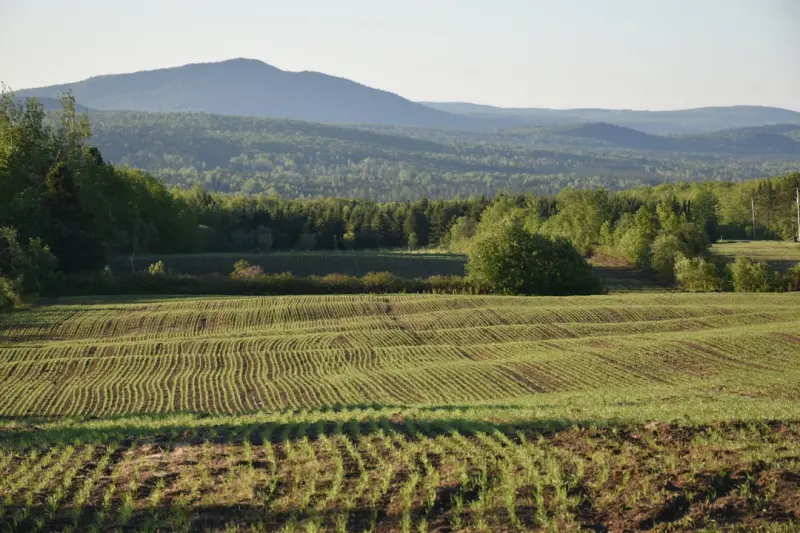
From Exhaustion to Renewal: Why Regenerative Farming Is the New Frontier for Canadian Growers
For years I watched the prairie horizons blur into endless rows of monoculture, each season a repeat of the last, the soil growing tired and the ledger growing thin. Regenerative agriculture offered a different story—one where the land heals itself, yields improve, and community bonds strengthen, all without sacrificing the hard‑won heritage of family farms. My own family’s 150‑year‑old wheat farm in Saskatchewan became a living laboratory, swapping synthetic inputs for cover crops, diversified rotations, and animal integration, and the results have been nothing short of transformative. The shift feels less like a trend and more like a return to an ancient rhythm, where every seed sown, every animal grazed, and every rainstorm is a dialogue with the earth that sustains us.
Soil as a Living System: The Power of Cover Crops and No‑Till Practices
When we first introduced a mix of legumes, radishes, and winter rye as cover crops, the change in soil texture was palpable within weeks, as microbes erupted in activity, binding organic matter and enhancing water retention. No‑till drilling preserves the soil structure, allowing mycelial networks to expand and carbon to be sequestered deep underground, turning fields into carbon sinks that combat climate change while boosting fertility. The financial payoff arrived sooner than expected; reduced fuel costs and lower fertilizer bills translated into a healthier bottom line, proving that ecological stewardship and profitability are not mutually exclusive. As we continue to monitor soil health with simple hand‑trowel tests and emerging sensor technology, the data confirms a steady rise in organic matter, a key indicator that the ground is truly coming back to life.
Integrating Livestock: A Symbiotic Relationship Between Crops and Animals
Introducing a modest herd of heritage cattle to graze after grain harvests created a natural cycle of nutrient recycling that synthetic fertilizers simply cannot replicate. The animals trample residue into the soil, their manure enriches the profile with nitrogen and phosphorus, and the resulting grazing pressure encourages diverse plant growth, breaking pest cycles and reducing reliance on chemical interventions. My family’s decision to adopt a rotational grazing model also opened new revenue streams—premium grass‑fed beef that commands higher market prices and resonates with consumers seeking transparent, sustainable protein sources. Beyond economics, watching the herd move across the landscape restores a sense of place and continuity, reminding us that agriculture is as much about relationships as it is about production.
Data‑Driven Decisions: Harnessing Technology Without Losing the Human Touch
While the heart of regenerative farming beats in the soil, modern tools provide the precision needed to fine‑tune practices for each field’s unique conditions. Portable soil sensors, weather stations, and satellite imagery feed into platforms that translate raw data into actionable insights, guiding planting dates, irrigation schedules, and input applications. The integration of AI-driven farm analytics has allowed us to predict yield outcomes with remarkable accuracy, reducing waste and improving crop quality. Yet technology never replaces the farmer’s intuition; instead, it amplifies it, offering a safety net that honors tradition while embracing innovation. The result is a farm that is both resilient and adaptable, ready to meet the challenges of a volatile climate and evolving market demands.
Building Direct Connections: Community‑Supported Agriculture and Farm‑to‑Table Networks
Regenerative farms thrive when they forge direct relationships with the people who cherish their harvests, and community‑supported agriculture (CSA) has become a cornerstone of that connection. By offering seasonal boxes of vegetables, eggs, and dairy directly to local families, we bypass middlemen, retain a larger share of revenue, and educate consumers about the virtues of soil health and biodiversity. Farm‑to‑table restaurants in nearby cities now seek out our produce for its flavor depth and sustainability credentials, creating a virtuous loop where demand for regenerative products fuels further investment in the practice. These partnerships also provide a platform for storytelling, allowing us to share the narrative of stewardship, resilience, and the tangible benefits of caring for the land.
Financial Resilience: Leveraging Savings Strategies for a Sustainable Future
Transitioning to regenerative methods can raise concerns about upfront costs, but strategic budgeting and resource optimization can ease the financial burden. By adopting practices that reduce fuel consumption, fertilizer purchases, and machinery wear, farms often see a rapid return on investment. The lessons from cost‑of‑living savings strategies are surprisingly applicable on the farm, where bulk buying, shared equipment cooperatives, and energy‑efficiency upgrades cut expenses dramatically. Moreover, government incentives for carbon sequestration and soil health improvements provide additional revenue streams, reinforcing the economic case for regenerative agriculture while aligning with broader climate goals.
Policy Support and the Role of Government Programs
Provincial and federal programs are beginning to recognize the value of regenerative practices, offering grants, low‑interest loans, and technical assistance to farmers willing to experiment with soil health initiatives. These policies not only alleviate financial risk but also create a framework for knowledge exchange, connecting pioneering farms with research institutions and extension services. Participation in pilot projects has allowed us to test novel cover‑crop blends and receive expert feedback, accelerating our learning curve. As policymakers continue to refine these programs, the hope is that regenerative agriculture will become a mainstream pathway for Canadian farms, securing both environmental and economic sustainability for generations to come.
Challenges on the Horizon: Climate Variability and Farmer Well‑Being
Despite the promise of regenerative methods, Canadian growers must still grapple with unpredictable weather patterns, pest pressure, and the mental strain of constant adaptation. Droughts can test the limits of soil moisture retention, while excessive rain may overwhelm cover‑crop systems, demanding flexible management strategies. The emotional toll of navigating these uncertainties is real; farmers often carry the weight of family legacy, community expectations, and financial viability. Building supportive networks—through farmer groups, mental‑health resources, and shared learning platforms—helps mitigate stress and fosters a culture of collective resilience. Acknowledging these challenges is essential to ensuring that regenerative agriculture remains a sustainable, humane way of life.
Looking Forward: A Vision of Regenerative Prosperity for Canada’s Countryside
The journey from conventional monoculture to regenerative stewardship is neither quick nor easy, but the rewards are profound, reshaping not only the land but also the very identity of Canadian farming. As more families adopt practices that nurture biodiversity, sequester carbon, and strengthen community bonds, a new agricultural paradigm emerges—one that balances profit with planet, tradition with technology, and individual effort with collective purpose. My hope is that this story inspires fellow growers to experiment, collaborate, and champion a future where our fields are vibrant ecosystems and our farms are hubs of innovation and well‑being. Together, we can turn the promise of regenerative agriculture into a lasting reality that sustains both people and the land for decades to come.

Related Posts
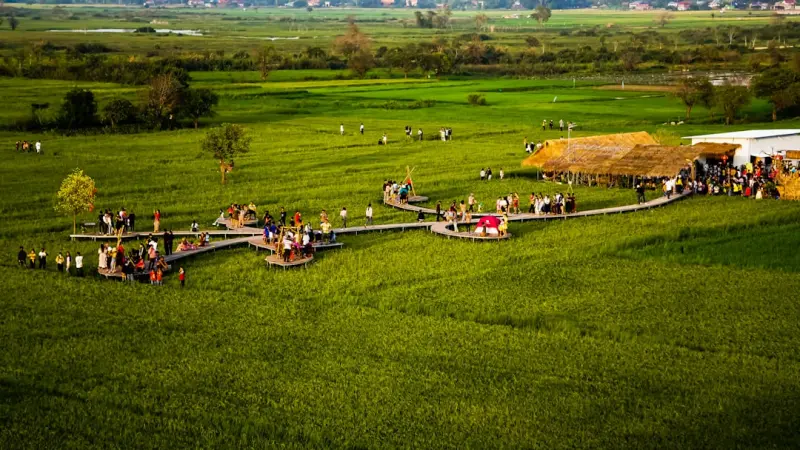
From Field to Guest: The Agri‑Tourism Boom Transforming Canadian Farms
Canadian farms are shifting from pure production to destination experiences, using agri‑tourism to... Read More

Harvesting the Future: Data, Renewable Energy, and Community Power on Canadian Farms
Canadian farmers are turning to data-driven precision agriculture, renewable energy, and cooperative... Read More
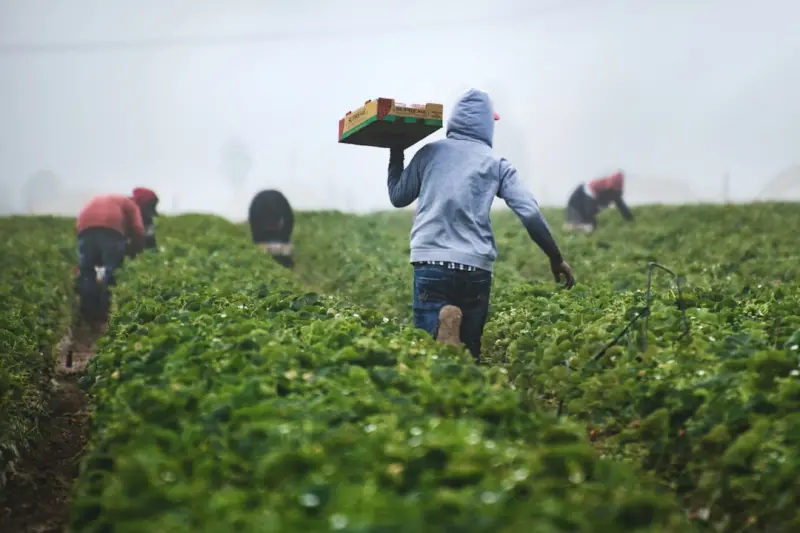
Beyond the Fields: A Farmer’s Journey to Resilience and Innovation
From soil health to AI tools, Canadian growers are redefining farming by embracing regenerative meth... Read More
Top Posts

Open‑Air Offices: How Cruise and Bus Tours Are Redefining Remote Work
Hybrid cruise‑bus journeys blend scenic travel with high‑performance workspaces, offering companies a fresh, sustainable way to boost collaboration, creativ...Read More

Unleashing Employee Advocacy: The Secret Weapon for B2B SaaS Growth
Employee advocacy transforms everyday staff into trusted marketers, boosting brand visibility and pipeline. Learn a step‑by‑step framework, measurement tact...Read More

Why Conversational Commerce Is the Secret Weapon Brands Can’t Ignore
A deep dive into conversational commerce, showing how AI‑driven chat, voice assistants, and real‑time data turn everyday dialogues into revenue‑generating...Read More

Navigating the New Frontier: AI‑Powered Legal Workflows in Canadian SaaS
Legal teams in Canadian SaaS firms can turn compliance into a growth engine by adopting AI‑assisted contract review, privacy‑by‑design, internal innovatio...Read More
0 Comments
Post Comment
You will need to Login or Register to comment on this post!