
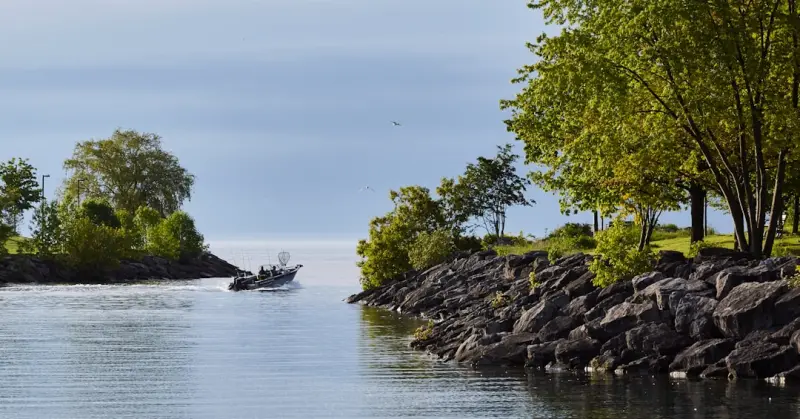
Why the Road Less Traveled Matters
After more than a decade of chasing walleye, bass, and the occasional trout across Ontario’s sprawling shoreline, I’ve learned that the true magic of our province’s fishing lies not in the crowded piers of Lake Erie but in the quiet, unmarked coves and forest‑lined streams that most anglers never even know exist, waiting patiently for a curious cast and a steady hand. Ontario’s hidden fishing gems often require a willingness to swap a well‑worn map for a local’s whispered directions, a habit that has reshaped my own approach from a checklist of popular lakes to a treasure‑hunt mindset that rewards spontaneity and community insight. In this guide I’ll share the spots that have transformed my weekend getaways into stories worth retelling, while also showing how you can discover your own secret waters without relying on glossy travel brochures.
Unearthing the Lesser‑Known Hotspots
The first place that consistently surprises even seasoned anglers is the secluded stretch of the French River near the small hamlet of Nipissing First Nation, where the river narrows into a series of deep pools framed by ancient white‑cedar. Here, spring runoff brings a rush of baitfish that triggers a frenzy of pike and smallmouth bass, and the water’s clarity allows you to watch the action unfold like a live‑action documentary; a single early‑morning cast can yield a dozen quality catches before the sun warms the surface. Just a short drive north, the mist‑shrouded Lake Bennett in the Algonquin Highlands offers a completely different experience—a crystal‑clear, oligotrophic lake where lake‑whitefish and lake‑trout dominate, and the surrounding boreal forest provides natural blinds for patient anglers who prefer a stealthy approach over noisy trolling.
Another underrated jewel is the hidden network of oxbow lakes along the St. Clair River, especially the stretch near the tiny community of Tweed. These shallow, vegetated basins create perfect habitat for northern pike and largemouth bass during the warm summer months, and because the water is often too murky for conventional sonar, many anglers rely on old‑school feel‑and‑sound techniques that sharpen your senses and reconnect you with the sport’s primal roots. The area also hosts a modest population of muskellunge that, while elusive, can be coaxed into the bite with large, scented crankbaits—a thrill that feels like finding a secret level in a video game you’ve played a thousand times. Finally, for those who crave a true backcountry experience, the remote Upper Nipissing Lake, accessible only by a rugged gravel road and a short hike, offers pristine cold‑water trout that bite aggressively at sunrise, turning a simple day trip into a rewarding wilderness adventure.
Seasonal Rhythms and Climate Realities
Understanding the seasonal pulse of each waterbody is crucial; for example, the French River’s spring surge is a short window that peaks between mid‑April and early May, after which the water warms and the bass shift to deeper structures, making the early season the prime time for surface lures and fly fishing. In contrast, Lake Bennett’s summer stratification creates a distinct thermocline where trout retreat to cooler depths, demanding a shift to vertical jigging or deep‑diving minnows that can penetrate the 30‑foot layer where the fish hold; missing this cue often results in empty lines and frustrated evenings. Meanwhile, the oxbow lakes of the St. Clair River experience a dramatic drop in oxygen levels during July heatwaves, prompting a strategic move to dawn and dusk hours when cooler air and reduced sunlight keep the water hospitable for aggressive predators.
Climate change adds an unpredictable layer to this already intricate dance, as rising water temperatures have extended the warm‑water season for bass but simultaneously stressed cold‑water species like lake‑trout, forcing anglers to adapt their techniques and timing. Local fisheries reports suggest that ice‑out dates on the Upper Nipissing region have shifted by nearly two weeks over the past decade, opening the door for early‑season ice fishing opportunities that were once impossible, yet also compressing the traditional fall runoff that historically stocked the river with nutrient‑rich silt. To stay ahead, I keep a close eye on the Ontario Ministry of Natural Resources’ open‑data dashboards, which provide real‑time water temperature and flow statistics, allowing me to fine‑tune my itinerary and gear choices with a data‑driven confidence that feels almost scientific.
Gear Up Like a Local
Choosing the right equipment for these off‑the‑beaten‑path locations means thinking beyond the generic “one‑size‑fits‑all” tackle that dominates big‑box stores; for the French River’s crystal‑clear pools, a low‑profile fluorocarbon leader paired with a 4‑6 lb test line lets you present a subtle spinnerbait that disappears into the water column without spooking wary pike. In the vegetated oxbow lakes, I favor a robust 12‑weight spinning rod with a fast tip, which provides the leverage needed to pull largemouth bass out of thick weed beds while maintaining the sensitivity to feel the subtle “tick” of a northern pike’s strike. The remote Upper Nipissing Lake, with its deep, cold waters, calls for a 9‑foot medium‑action fly rod and 5‑weight dry flies that mimic emergent insects; a quick‑drying, insulated wader also becomes essential when the morning mist hangs low, keeping you comfortable for those long, patient casts.
- Local tackle shops in Sudbury and North Bay often carry region‑specific lures that are unavailable online, such as the “Ontario Steelhead Spinner” and “Maple Leaf Crank.”
- Invest in a compact, waterproof fish finder that syncs with your smartphone; the real‑time depth charts help you locate hidden structures in murky oxbow lakes where traditional sonar fails.
- Don’t overlook the importance of a quality pair of polarized sunglasses; they cut glare on the French River’s surface, revealing fish silhouettes that would otherwise remain invisible.
Fishing with a Conscience
Respecting the ecosystems that give us these hidden paradises is not optional; adopting a sustainable catch‑and‑release ethic ensures that future anglers can experience the same thrill of a clean strike on a trophy‑size pike in the French River or a feisty trout on Lake Bennett. This means handling fish with wet hands, minimizing air exposure, and using barbless hooks that reduce injury, especially in the delicate oxbow habitats where juvenile bass rely on dense vegetation for shelter. Ontario’s fisheries regulations now encourage the use of circle hooks for bass and pike, as they tend to hook the fish in the mouth rather than the gut, dramatically increasing post‑release survival rates, a simple change that can make a massive difference over time.
Beyond individual practices, many local angling clubs have launched habitat restoration projects that align perfectly with broader community initiatives, such as the community garden renaissance happening along riverbanks, where native plantings help stabilize shorelines and improve water quality for both fish and human visitors. Participating in these volunteer efforts not only gives back to the environment but also deepens your connection to the places you fish, turning a solitary hobby into a collaborative stewardship experience that reinforces the very reason these secret waters remain pristine and abundant.
From Cast to Kitchen: Making the Most of Your Harvest
When you finally land a prize‑catch, the real celebration begins in the kitchen, where Ontario’s diverse fish species can be transformed into dishes that highlight their natural flavor while honoring sustainable cooking practices. A classic pan‑seared walleye, finished with a squeeze of lemon and a drizzle of locally sourced maple butter, showcases the buttery texture that makes this species a favorite among chefs in Toronto’s farm‑to‑table restaurants. For the more delicate trout from Upper Nipissing Lake, I prefer a simple cedar‑plank grill that imparts a subtle smoky aroma while keeping the flesh moist, a technique that also honors the fish’s wild heritage by avoiding heavy sauces that mask its fresh taste.
Side dishes should complement, not overpower, the fish; a wild rice pilaf mixed with foraged mushrooms from the surrounding forest adds earthiness that mirrors the environment where the fish thrived, while a crisp salad of mixed greens tossed in a vinaigrette made from local honey and apple cider vinegar ties the meal back to the region’s agricultural roots. Pairing the meal with an Ontario‑crafted cider or a light, herb‑infused white wine rounds out the experience, turning a solitary day on the water into a full‑circle celebration of local flavor, community, and the simple joy of turning a line‑tug into a memorable dinner.
Charting Your Own Path Forward
Now that you’ve glimpsed the variety of secret waters that dot Ontario’s landscape, the next step is simple: grab your gear, map out a weekend, and let curiosity be your compass, trusting that every unmarked turn on a gravel road could lead to a new favorite fishing hole that only a handful of locals know about. By embracing the ethos of exploration, respecting the fragile ecosystems, and sharing stories with fellow anglers, you become part of a living tradition that keeps Ontario’s waterways vibrant and bountiful for generations to come. So cast your line, savor the silence of a hidden cove, and remember that the best fishing adventures are those that begin with a willingness to look beyond the guidebooks and discover the province’s untapped treasures on your own terms.

Related Posts
Ontario Fishing: A Personal Voyage Through Seasons and Secrets
Dive into Ontario's fishing world with personal stories, seasonal tips, hidden hotspots, gear advice... Read More
Why Ontario’s Small‑Town Rivers Are the Next Big Catch for Urban Anglers
Ontario’s lesser‑known rivers are becoming hot spots for anglers seeking community, sustainabili... Read More
Fishing with a Conscience: Sustainable Practices on Ontario’s Lakes and Rivers
Discover how to fish responsibly in Ontario with sustainable gear, catch‑and‑release techniques,... Read More
Top Posts

Charting New Waters: Turning Cruises & Bus Tours into Personal Narratives
Discover a fresh approach to cruising and bus touring that turns every stop into a chapter of your own story, using themes, workshops, sensory notes, and digita...Read More

Silencing the Ping: Protecting Your Brain from Notification Overload
Constant alerts hijack our brains, elevating stress and eroding focus. This article offers a step‑by‑step guide to audit, limit, and strategically manage no...Read More

Walking Your Way to Mental Resilience: Simple Steps for a Healthier Mind
Learn how simple daily walks, mindful breathing, and seasonal foods can transform mental resilience, offering a low‑cost, science‑backed path to better heal...Read More

Beyond the Fields: Building Community‑First Food Networks
Canadian farmers are forging community‑first food networks—direct subscriptions, collaborative processing, and educational partnerships—that strengthen lo...Read More
0 Comments
Post Comment
You will need to Login or Register to comment on this post!