

From Scraps to Signature Dishes: How Restaurants Are Harnessing the Circular Economy
When I first stepped into the back‑of‑house at a downtown bistro that was proudly displaying a “Zero Waste” badge, I expected a glossy Instagram backdrop. What I found instead was a bustling laboratory where chefs treated every vegetable peel, bone, and coffee ground as a potential star ingredient. The reality is that restaurants across North America are quietly rewriting the playbook: waste is no longer an after‑thought—it’s the raw material for innovation, brand differentiation, and a healthier bottom line.
In this deep dive, I’ll walk you through the practical steps restaurants are taking to turn kitchen scraps into menu gold, the technology that’s making data‑driven waste management possible, and the surprising financial ripple effects that extend far beyond the dining room. Whether you run a single‑chef pop‑up or oversee a multi‑location chain, the circular‑economy mindset can be adapted to fit any scale.
The Waste Audit: Knowing What You’re Dealing With
The first—and perhaps most overlooked—step is a rigorous waste audit. It sounds simple, but many operators rely on anecdotal “we throw away a lot” impressions rather than hard numbers. By measuring weight, volume, and type of waste over a 30‑day period, kitchens gain a clear picture of their “waste fingerprint.”
Modern point‑of‑sale (POS) integrations now allow chefs to tag each dish with the specific ingredients used, creating a traceable line from plate to bin. When this data is paired with a digital waste‑tracking platform, patterns emerge: a particular sauce may be generating excess herb stems, or a daily special might be leaving a surplus of citrus peel. Those insights become the foundation for targeted reduction strategies.
One surprising revelation from several audits is that “pre‑prep” waste—trimmings from vegetables before cooking—often eclipses “post‑plate” waste (the leftovers diners actually leave). By tackling the former, kitchens can reclaim up to 30 % of what they previously thought was unavoidable loss.
Turning Scraps into Stock, Sauce, and Beyond
Once you know what you’re throwing away, the next step is to repurpose it. The classic example is a bone‑based stock, but today’s chefs are pushing the envelope further:
- Vegetable & Fruit Peels: Caramelized orange peel confit, beet‑skin chips, and roasted carrot tops can add texture and depth to salads, desserts, and amuse‑bouches.
- Stale Bread: Turned into crunchy croutons, savory bread‑crumb crusts, or even a fermented “bread‑beer” reduction that pairs beautifully with grilled meats.
- Coffee Grounds: When dry‑roasted, they become a smoky rub for pork ribs, or a coffee‑infused panna cotta for dessert service.
- Herb Stems & Leaves: Blended into vibrant pesto variations or steeped for herb‑infused vinegars.
These transformations not only reduce waste but also create unique flavor profiles that differentiate a restaurant in a crowded market. The story behind a dish—“made from yesterday’s orange peel”—adds narrative value that diners love to share on social media.
Technology Meets Tradition: Data‑Driven Waste Management
While the kitchen wizardry is essential, scaling circular practices requires technology that can synthesize data across multiple locations. Platforms that combine POS data, inventory management, and waste‑tracking sensors provide a 360‑degree view of material flow.
For example, a cloud‑based solution can alert a chef when the weight of discarded broccoli stems exceeds a pre‑set threshold, prompting an immediate recipe adjustment. Over time, the system learns seasonal trends and suggests menu tweaks before the waste becomes a problem.
Integrating these tools doesn’t have to be a massive IT overhaul. Many vendors offer plug‑and‑play modules that sit between your existing ordering system and the back‑of‑house scales. If you’re curious about how a structured approach to deals can unlock value in other parts of your operation, consider exploring Strategic deal‑making for technology procurement.
From Waste to Signature: Menu Innovation in Action
Let’s look at three real‑world case studies that illustrate the power of waste‑derived dishes:
1. The “Root‑to‑Stem” Tasting Menu
A farm‑to‑table restaurant in Vancouver introduced a seasonal tasting menu where each course featured an element derived from what would normally be discarded. The starter was a carrot‑top consommé, the entrée a beet‑leaf risotto, and the dessert a citrus‑peel sorbet. Guest feedback highlighted the “storytelling” aspect, and the menu commanded a 20 % price premium.
2. Coffee‑Infused Barbecue
A mid‑size BBQ joint in Toronto began experimenting with spent espresso grounds as a rub for its signature ribs. The coffee’s bitter notes balanced the sweet barbecue sauce, creating a “new classic” that quickly became a social‑media hit. The restaurant reported a 12 % increase in repeat visits within three months.
3. Bread‑Beer Reduction Sauce
In a downtown brunch spot, the pastry chef noticed a steady stream of day‑old sourdough. Instead of discarding it, the team brewed a short “bread‑beer” and reduced it to a syrupy glaze for pancakes. The result? A signature dish that reduced bread waste by 40 % and earned a featured spot in a local food magazine.
These examples underscore a vital point: waste‑derived dishes aren’t gimmicks—they’re genuine culinary innovations that drive revenue.
Financial Upside: Turning Sustainability Into Profit
Beyond the environmental benefits, there’s a clear economic incentive. Reducing food waste directly lowers food‑cost percentages, which for many restaurants hover around 30‑35 %. Even a modest 5 % reduction can translate into tens of thousands of dollars saved annually.
Moreover, the marketing advantage of a waste‑smart menu can attract a growing cohort of eco‑conscious diners. According to recent consumer research, over half of millennials say they would choose a restaurant that demonstrates tangible sustainability practices, even if it means paying a slightly higher price.
When it comes to capitalizing on these trends, food pairing insights can guide chefs in creating flavor combinations that feel intentional, rather than “just because we had the ingredient.” This strategic pairing not only enhances the dining experience but also maximizes the usage of every repurposed ingredient.
Community Collaboration: Extending the Circular Loop
Restaurants don’t have to go it alone. Partnerships with local farms, composters, and even other eateries can close the loop on waste. A few models are gaining traction:
- Ingredient Exchanges: Two neighboring restaurants agree to swap surplus produce—one passes on wilted greens to a neighbor who turns them into a pesto, while the other sends over excess fish bones for stock.
- Compost Collectives: By joining a community compost program, kitchens can divert organic waste to local farms, which in turn supply fresh produce back to the restaurant, completing a true circular supply chain.
- Upcycled Product Lines: Some chefs are launching retail jars of “scrap‑jam” or “bone‑broth concentrate,” turning kitchen by‑products into additional revenue streams.
These collaborations amplify the impact of waste reduction and embed the restaurant deeper into the local ecosystem—a win‑win for brand loyalty and community resilience.
Future Trends: Where Circular Restaurants Are Heading
Looking ahead, several emerging trends will shape how restaurants continue to innovate around waste:
- AI‑Guided Menu Forecasting: Predictive algorithms will suggest dish rotations based on real‑time inventory and waste data, ensuring that surplus ingredients are seamlessly incorporated into upcoming menus.
- Edible Packaging: Think of a biscuit‑based spoon that can be eaten after stirring a soup—a concept already piloted in a few experimental kitchens.
- Zero‑Waste Certifications: New industry standards will provide a recognizable badge for restaurants that meet strict waste‑reduction benchmarks, much like LEED does for buildings.
- Consumer‑Facing Transparency: QR codes on menus that reveal the exact waste‑reduction percentage for each dish, turning sustainability into a point‑of‑sale differentiator.
Adopting these innovations early can position a restaurant as a market leader, attracting both investors and patrons who value forward‑thinking sustainability.
Practical Steps to Get Started Today
If the idea of turning scraps into signature dishes feels daunting, break it down into manageable actions:
- Conduct a Simple Waste Audit: Use kitchen scales to weigh weekly waste for one month. Identify the top three waste streams.
- Pick One Ingredient to Repurpose: Choose the most abundant waste (e.g., carrot tops) and develop at least two new preparations.
- Document the Process: Record recipes, costs, and guest feedback. This creates a repeatable framework for future experiments.
- Leverage Existing Tech: If you already use a POS, explore add‑on modules that track inventory waste. Small data wins can lead to big savings.
- Engage Your Team: Involve line cooks, servers, and even front‑of‑house staff in the narrative. When everyone understands the “why,” adoption is smoother.
- Market the Change: Update menus, website copy, and social channels to highlight waste‑derived dishes. Use compelling visuals and stories.
Remember, the journey from waste to wow doesn’t require a complete kitchen overhaul. Incremental changes, supported by data and creativity, can deliver measurable results within weeks.
Conclusion: Waste Isn’t a Problem—It’s an Opportunity
Restaurants have long been masters of transformation—turning raw ingredients into unforgettable experiences. The circular economy invites us to extend that alchemy to the very scraps we once discarded. By auditing waste, embracing repurposing techniques, harnessing technology, and collaborating with the community, chefs and operators can craft dishes that delight the palate, protect the planet, and boost the bottom line.
In an industry where margins are thin and consumer expectations evolve daily, the ability to turn waste into a signature advantage isn’t just a nice‑to‑have; it’s a competitive imperative. So the next time you see a peel, a stem, or a spent coffee ground, ask yourself: “How can this become the next star on my menu?” The answer may just be the recipe for your restaurant’s most sustainable—and profitable—future.

Related Posts

When Algorithms Meet the Kitchen: The Rise of AI-Powered Restaurants
AI is reshaping restaurants from menu personalization to supply chain transparency. This post dives ... Read More

Why Real‑Time Guest Data Is the Secret Sauce for Restaurants
Real‑time guest data transforms static menus into dynamic experiences. Learn how to capture, analy... Read More
The Evolution of Canadian Cuisine: A Journey Through Time and Culture
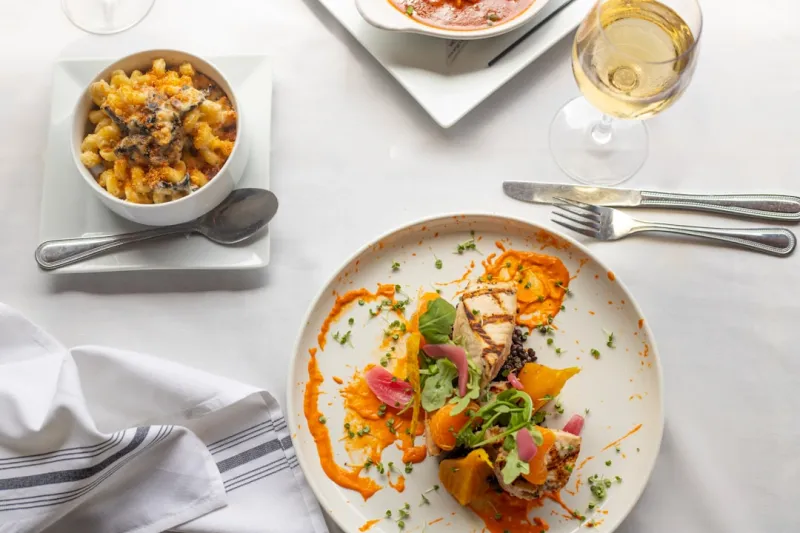
Canadian cuisine has undergone significant transformations over the years, shaped by the country's h... Read More
Top Posts

Turning Data into Dialogue: The New Frontier of Conversational Marketing
Discover why traditional funnel tactics are fading and how integrating conversational AI with a robust knowledge base can turn data into dynamic dialogue, accel...Read More
Sync Your Meals with Your Body Clock for Steady Energy and Better Health
Learn to boost energy and health by syncing meals to your body’s natural clock. Simple timing tweaks, sleep hacks, and gut‑friendly foods create lasting vit...Read More

From City Streets to Kitchen Tables: How Urban Foraging is Redefining Canadian Living
Urban foraging is turning city sidewalks, parks, and community gardens into sources of fresh, wild ingredients, reshaping Canadian living through sustainability...Read More

Regenerative Tourism: Turning Trips into Conservation Wins
Regenerative tourism goes beyond sustainability, turning travel into a force for ecological restoration and community empowerment. Learn practical steps, case s...Read More
0 Comments
Post Comment
You will need to Login or Register to comment on this post!