

When I first traded my office cubicle for a beachfront bungalow, I expected a vacation peppered with occasional Wi‑Fi check‑ins. What I got was a whole new definition of “work‑cation.” The line between work and play has blurred, and for many of us, that blur feels exactly right. Remote‑work retreats are no longer a niche perk for tech startups; they’re the fresh, flexible way modern travelers satisfy both a paycheck and a passport stamp. In this piece, I’ll walk you through why these retreats are exploding, how to craft one that feels genuinely restorative, and the sustainable choices that can turn a short stay into a lasting impact.
The Remote‑Work Revolution Is Here to Stay
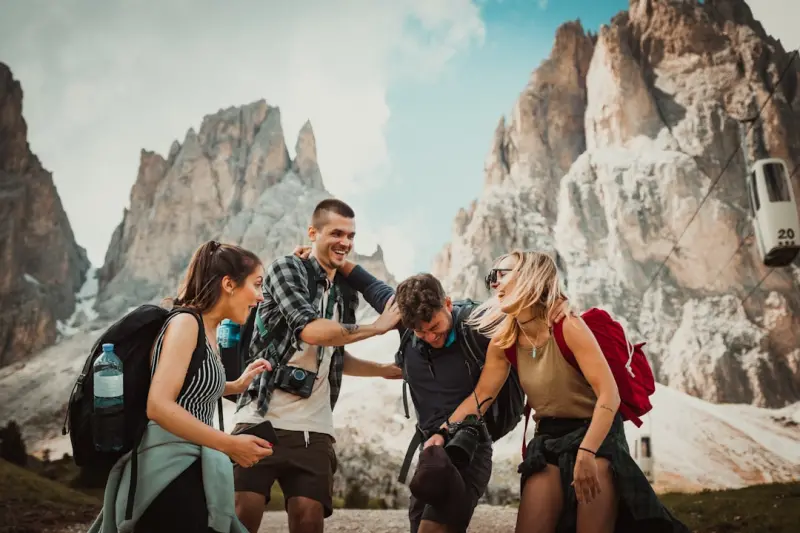
Two years ago, I booked a week in a mountain lodge because my company announced a “flex‑location” policy. I arrived with a laptop, a stack of reports, and a mental checklist of deadlines. By day three, I realized that the crisp air, sunrise hikes, and communal fire pits were doing more for my productivity than any office coffee machine ever could. The shift wasn’t just about location—it was about autonomy. Employees now crave environments where they can set their own rhythm, and employers are noticing the spike in creativity and reduced burnout that comes with it.
Data from global workforce surveys show that over 70% of knowledge workers would consider swapping a traditional office for a “work‑cations” setup if it meant better work‑life integration. The trend is fueled by three forces: the ubiquity of high‑speed internet, the rise of coworking spaces that double as community hubs, and a cultural pivot toward experiences over possessions.
Designing a Retreat That Feels Like a Getaway
Planning a remote‑work retreat is a balancing act. You need to think like a vacation planner and an operations manager at the same time. Start with the “core purpose” of the trip. Is it a deep‑focus sprint on a new product? A brainstorming retreat to map out the next fiscal year? Or simply a chance for a team to bond while staying productive? Once the purpose is crystal clear, the rest of the logistics fall into place.
- Location, location, location. Look for places that offer reliable internet, a variety of work‑friendly spots (think cafés, co‑working pods, and outdoor terraces), and a range of leisure activities that suit your team’s interests.
- Accommodations with intent. Opt for lodging that includes communal spaces for impromptu meetings, private nooks for concentration, and amenities like ergonomic chairs and good lighting. A place that feels like a resort but functions like an office is the sweet spot.
- Schedule with flexibility. Draft a loose agenda: morning focus blocks, midday walks or local tours, and late‑afternoon brainstorming sessions. Avoid the temptation to fill every hour with meetings; the magic of a retreat lies in the unstructured moments.
Tech Tools That Make Remote‑Work Seamless
Even the most picturesque setting can become a nightmare without the right tech stack. Here are the essentials I can’t travel without:
- Unified communications. Platforms like Slack or Microsoft Teams keep the conversation flowing without drowning you in email.
- Project management. Tools such as Asana or Trello give visibility into task progress, so you can focus on deep work without micromanagement.
- Virtual private network (VPN). A reliable VPN protects sensitive data when you’re on public Wi‑Fi, and many providers now offer easy‑to‑use mobile apps for travelers.
- Cloud‑based file storage. Services like Google Drive or Dropbox ensure that everyone can access the latest documents, even if you’re hopping between a beachfront café and a mountain cabin.
While you’re setting up these digital foundations, think about the physical side of sustainability too. Many eco‑friendly resorts now power their Wi‑Fi and workspaces with renewable energy, aligning your productivity with planet‑positive practices.
Sustainable Choices on the Road
Travel has a carbon footprint, and remote‑work retreats give you a unique opportunity to offset that impact in meaningful ways. One of my favorite strategies is to partner with local farms that practice regenerative agriculture—an approach that restores soil health, captures carbon, and supports the community. While the exact phrase “regenerative farming” appears in our internal library, I’ll call it soil‑restoring agriculture to stay fresh.
When it comes to meals, look for destinations that serve seafood alternatives sourced from sustainable aquaculture. By choosing plant‑based ocean fare, you reduce pressure on wild fish populations and often get a healthier plate. Many coastal retreats now feature menus that blend local produce with these innovative dishes, turning dinner into a lesson in climate‑smart dining.
Transportation is another big piece. Whenever possible, select locations that are reachable by train or electric vehicle (EV) rentals. Some regions even offer bike‑share programs that let you commute from your lodging to coworking spots without emitting a single gram of CO₂.
Local Immersion Through Community‑Focused Travel Networks
Remote‑work isn’t just about changing your desk; it’s about changing your social circle, too. Instead of booking a generic hotel, look for programs that connect travelers with local “travel networks”—groups that host cultural workshops, language exchanges, and community service projects. These networks operate on the principle of shared experiences and can turn a short stay into a lasting relationship.
By joining a community‑focused travel network, you get insider access to hidden gems—think a family‑run coffee plantation tour, a midnight drum circle on the beach, or a collaborative art project with local youth. Such experiences enrich your travel narrative and often inspire fresh ideas back at the office.
Case Study: A Coastal Retreat That Balances Work and Play
Last summer, my team spent ten days on a secluded island in the Pacific Northwest. The resort we chose had a dedicated coworking loft powered entirely by solar panels and a rooftop garden where we could harvest herbs for our meals. Mornings began with a 30‑minute yoga session on the deck, followed by three focus blocks of deep work. Midday, we swapped laptops for kayaking, exploring sea caves that few tourists ever see.
Evenings were a communal affair. The resort partnered with local chefs who crafted menus featuring seafood‑free delicacies made from locally sourced vegetables and responsibly farmed algae. We also participated in a beach clean‑up organized by a neighborhood volunteer group, which gave us a tangible sense of contribution.
The result? Not only did we hit our project milestones ahead of schedule, but the team reported a 40% boost in morale and a surge of creative ideas for our next product launch. The retreat proved that when work and environment harmonize, productivity doesn’t just survive—it thrives.
Future Outlook: From Holiday to Lifestyle
Remote‑work retreats are evolving from a novelty to a mainstream lifestyle choice. Companies are now offering “lifetime travel credits” as part of employee benefits, and travel platforms are curating packages specifically for digital nomads. The next wave will likely involve AI‑driven itinerary planners that adapt daily schedules based on weather, energy levels, and project deadlines, ensuring every moment feels intentional.
What excites me most is the potential for these retreats to become catalysts for broader societal change. By prioritizing sustainable food, low‑impact transportation, and community integration, we can rewrite the travel narrative—from one of consumption to one of stewardship. As we continue to blur the lines between work and wanderlust, the real adventure is learning how to leave each destination a little better than we found it.

Related Posts

When AI Becomes Your Travel Buddy: Crafting Hyper-Personalized Journeys
A deep dive into how AI-powered tools are transforming travel into a hyper-personalized adventure, b... Read More

Pop‑Up Destinations: The New Frontier of Travel Experiences
Pop‑up destinations—short‑lived hotels, eateries, and cultural hubs—are transforming tourism... Read More
Beyond Borders: How Digital Nomad Visas Are Redefining Global Work‑Play Balance
Digital nomad visas are transforming travel by allowing remote workers to live and contribute to hos... Read More
Top Posts

Deal Radar: A Data‑Driven Playbook for Capturing SaaS Savings
Discover a step‑by‑step playbook that turns deal hunting into a predictable process, leveraging market benchmarks, timing tactics, and automation to maximiz...Read More

Unlocking Growth: How Remote‑First Strategies, Ethical Data, and Circular Thinking Redefine Modern Business
Explore the future of business with remote‑first mindsets, ethical data revenue, and circular economy tactics that drive growth and sustainability....Read More

Unlocking Hidden Savings: A Playbook for Smarter SaaS Spending
Learn how to turn deal‑hunting into a strategic advantage with a three‑pillar framework—consolidation, value‑based negotiation, and usage optimizationâ€...Read More

Parental Warning: Unmasking the Subtle Threats Lurking in Kids’ Digital Lives
A fresh look at the covert risks in children’s tech use, covering school‑app data, influencer pressure, AI deepfakes, sleep loss, and hidden subscription co...Read More
0 Comments
Post Comment
You will need to Login or Register to comment on this post!