
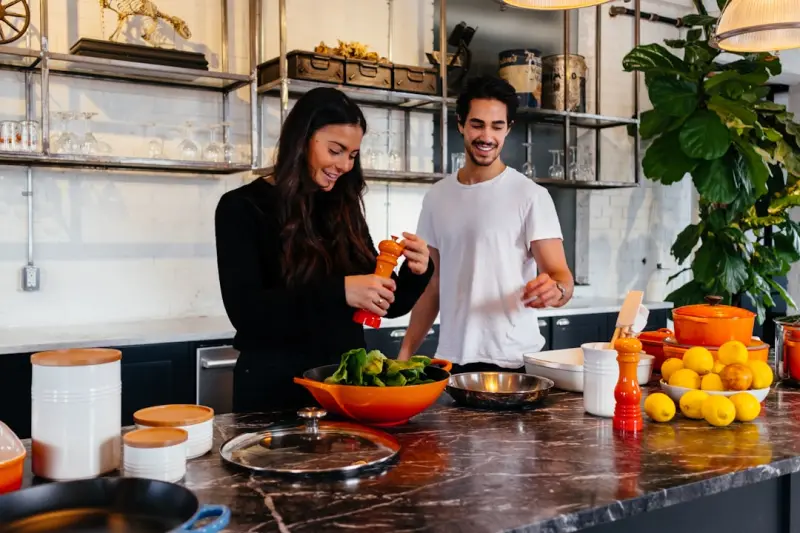
Why Shared Kitchen Communities Are the Secret Sauce for Modern Restaurateurs
When I first stepped into a cramped downtown loft that smelled of fresh dough and ambition, I thought I’d stumbled onto the next big pop‑up. What I found instead was a bustling ecosystem of chefs, bakers, and mixologists swapping stories, equipment, and, most importantly, ideas. It wasn’t a trendy food hall or a glossy “restaurant incubator” you read about in glossy industry magazines—it was a shared kitchen community humming with the same kinetic energy you’d find in a live‑wire market stall.
Over the past few years, the restaurant world has been on a relentless quest for the next efficiency hack. From AI‑driven inventory alerts to blockchain‑based supply chains, the tech chatter is endless. Yet the most profound transformation I’m witnessing is happening not in the cloud but right on the tiled floors of these collaborative spaces. They’re redefining what it means to own a restaurant, and they’re doing it with a humility that feels almost old‑school.
The Economics of “Rent‑by‑Hour” Meets Culinary Dream‑Building
Let’s start with the cold, hard numbers. Traditional restaurant leases in prime urban districts often demand a five‑year commitment, a hefty security deposit, and an ongoing cost structure that can gobble up 30‑40% of gross revenue before a single dish leaves the kitchen. For a first‑time chef, that’s a terrifying barrier.
Shared kitchens flip that model on its head. Instead of a long‑term lease, operators pay for the exact square footage they need, by the hour, day, or month. It’s a pay‑as‑you‑cook model that aligns expenses directly with production. The result? Lower overhead, faster break‑even, and the freedom to experiment without the specter of a looming rent increase.
Take the story of Maya Patel, a former corporate accountant turned culinary entrepreneur. Maya launched a vegan ramen pop‑up in a shared kitchen for six months, paying only for the 150 sq ft she used during peak dinner hours. When demand surged, she scaled up to a second station in the same space, all without renegotiating a lease. Today, Maya’s “Ramen Rebellion” runs three satellite locations, each anchored in a shared kitchen, and she’s still paying less than a third of what a traditional storefront would cost.
Collaborative Creativity: The Unseen Ingredient
Beyond the balance sheet, the real magic of shared kitchen communities lies in the cross‑pollination of ideas. Picture a seasoned pastry chef discussing fermentation techniques with a craft cocktail mixologist. That conversation can spark a new line of barrel‑aged desserts, or inspire a menu that pairs a smoked beet tartare with a rosemary‑infused gin. The serendipity of having diverse food professionals under one roof is a catalyst for innovation that no solitary kitchen can match.
In fact, these spaces are becoming informal R&D labs for the industry. Chefs can test seasonal concepts in a low‑risk environment, gather real‑time feedback from fellow members, and iterate faster than ever before. The communal vibe also nurtures mentorship—veteran chefs offering guidance to emerging talent, and the younger generation pushing the envelope with avant‑garde techniques.
Technology Meets Community: A Symbiotic Relationship
While the heart of a shared kitchen beats with human interaction, the brain is increasingly digital. Many operators are integrating trust networks to streamline vendor relationships and ensure food safety compliance across multiple sites. By leveraging a shared data layer, participants can verify supplier certifications, track temperature logs, and even share surplus inventory, reducing waste and building collective credibility.
Moreover, the rise of the platform playbook is evident as these kitchens adopt subscription‑based management software. Tools that once lived in isolated corporate SaaS stacks now power everything from booking kitchen slots to automating payroll for a rotating staff. The result is a frictionless experience where chefs focus on cooking, not on admin.
And for those still skeptical about the tech angle, the SaaS Savings Playbook offers a roadmap to cut costs on software subscriptions by bundling services across the community, achieving economies of scale that would be impossible for a single independent restaurant.
Risk Mitigation: A Safety Net for the Unpredictable
Running a restaurant is a high‑stakes gamble. Unexpected regulatory changes, supply chain disruptions, or a sudden dip in foot traffic can cripple a stand‑alone operation. Shared kitchens provide a built‑in safety net. Because costs are variable, you can scale back production on lean weeks without the burden of a fixed lease. If a new health regulation forces a menu overhaul, you have immediate access to a network of peers who’ve already navigated similar challenges.
Additionally, many shared kitchen operators maintain insurance pools that cover equipment damage or liability incidents across the community. This collective approach reduces premiums for each member, a financial advantage that mirrors the risk‑spreading principles found in traditional co‑ops.
Community Building: From Customers to Cultivators
One of the most rewarding aspects of shared kitchens is the sense of belonging they foster among diners. When a pop‑up launches from a shared space, it often carries a narrative that resonates: “We’re part of a culinary collective, testing our ideas with you, the community.” That story invites diners to become co‑creators, offering feedback that shapes the menu in real time.
Some kitchens have taken this further by hosting “open‑kitchen” nights, where patrons can walk the floor, meet the chefs, and even vote on next‑week specials via a simple mobile poll. This level of engagement builds brand loyalty that transcends a single location, turning casual diners into ambassadors who follow the chef’s journey across multiple venues.
Environmental Impact: A Greener Path Forward
Shared kitchens naturally lend themselves to sustainability. By consolidating equipment—think commercial ovens, refrigeration units, and dishwashers—you reduce energy consumption per square foot. A single high‑efficiency dishwasher serving ten chefs uses far less water than ten separate units. Moreover, the communal inventory system minimizes over‑ordering; chefs can share bulk purchases of staple ingredients, cutting waste and lowering costs.
Many operators also adopt zero‑waste initiatives, such as composting organic scraps collectively or redistributing surplus food to local shelters. This cooperative approach aligns with the growing consumer demand for environmentally responsible dining experiences.
Challenges to Consider (And How to Overcome Them)
While the benefits are compelling, shared kitchens aren’t a one‑size‑fits‑all solution. Here are a few hurdles you might encounter, and practical ways to navigate them:
- Scheduling Conflicts: High‑traffic periods can create competition for space. Opt for a kitchen that offers a transparent, online booking system, and consider flexible operating hours to avoid peak congestion.
- Brand Differentiation: Sharing a space with other concepts can blur brand identity. Invest in distinct signage, unique plating styles, and a strong narrative that sets your concept apart.
- Quality Control: Multiple users mean varying standards of cleanliness. Choose a facility with strict hygiene protocols and regular audits to maintain a professional environment.
- Legal Considerations: Ensure your lease agreement clearly outlines responsibilities for utilities, equipment maintenance, and liability coverage.
By approaching these challenges proactively, you can turn potential roadblocks into opportunities for further differentiation and operational excellence.
Future Outlook: The Rise of “Kitchen Hubs” as Urban Anchors
Looking ahead, I see shared kitchens evolving into multi‑purpose “kitchen hubs” that serve not only food creators but also culinary educators, food‑tech startups, and local farmers. Imagine a space where a farm‑to‑table chef holds a cooking class in the morning, a food‑science startup tests plant‑based meat prototypes in the afternoon, and a pop‑up dinner series lights up the evening—all under one roof.
This model could become a cornerstone of urban revitalization, turning underutilized industrial buildings into vibrant culinary districts. City planners and developers are already eyeing these hubs as a means to boost local economies, create jobs, and foster cultural exchange.
Getting Started: A Quick Checklist for Aspiring Shared Kitchen Operators
If the idea of joining a shared kitchen community resonates with you, here’s a streamlined checklist to help you hit the ground running:
- Define Your Concept: Clarify whether you’re a pop‑up, a delivery‑only brand, or a full‑service restaurant.
- Research Facilities: Look for kitchens with flexible pricing, robust equipment, and a strong community culture.
- Secure Insurance: Ensure coverage for liability, equipment, and product loss.
- Set Up Technology: Adopt a kitchen‑management platform for scheduling, inventory, and compliance tracking.
- Build Relationships: Attend community events, introduce yourself to fellow chefs, and explore collaboration opportunities.
- Launch a Soft Opening: Test your menu with a limited audience, gather feedback, and iterate quickly.
- Market Your Story: Leverage social media to highlight the collaborative nature of your kitchen and invite diners to be part of the journey.
By following these steps, you’ll position yourself to thrive in an ecosystem that values flexibility, collaboration, and sustainable growth.
Conclusion: The Shared Kitchen Revolution Is Just Getting Started
In the ever‑shifting landscape of dining, the restaurants that survive—and thrive—are those that can adapt quickly, innovate constantly, and foster genuine connections with both peers and patrons. Shared kitchen communities embody all three pillars. They provide a financial foothold, a crucible for creativity, and a platform for building lasting relationships.
If you’ve been hesitating to take the leap into restaurant ownership because of the daunting costs or the isolation of a lone kitchen, consider this your invitation to explore the collective path. The secret sauce isn’t a proprietary ingredient; it’s the collaborative spirit that turns a simple space into a thriving culinary ecosystem.

Related Posts

Beyond the Plate: How Augmented Reality is Redefining the Restaurant Experience
Mark Daniels shares his hands‑on journey integrating augmented reality into his restaurant, detail... Read More

When Augmented Reality Meets the Plate: Redefining Restaurant Experiences
Augmented reality is reshaping the restaurant scene, turning menus into interactive stories, boostin... Read More

Ottawa on the Rise: Discover Four of Canada's Top Restaurants
Ottawa might be known for its Parliament buildings and historical significance, but a culinary revol... Read More
Top Posts

Indigenous Governance Meets Federal Power: A New Chapter for Canadian Politics
Indigenous governance is reshaping Canada's political landscape, driving new fiscal arrangements, legislative reforms, and collaborative policy labs that promis...Read More

Ontario’s Secret Nighttime Fishing Hotspots: A Guide to Quiet Waters and Stellar Catches
Discover Ontario’s best night fishing spots, from Lake of the Woods to Georgian Bay, and learn how moon phases, gear choices, and local wisdom can boost your ...Read More

Capturing the Magic of Prom and Graduation: A Rural Perspective
Prom and graduation are significant milestones in a student's life. In rural communities, these events require creativity, resilience, and community support. Le...Read More

Trump's 51st State? Nope, Canada's Saying "Hold My Poutine!"
Okay, let's get one thing straight right off the bat. I'm Canadian. Born and bred. I bleed maple syrup, apologize excessively, and love my poutine (don't judge)...Read More
0 Comments
Post Comment
You will need to Login or Register to comment on this post!