

When I first swapped my office desk for a battered backpack and a portable Wi‑Fi hotspot, I thought I was chasing the classic “work‑and‑play” narrative. What I didn’t anticipate was how the vast, untamed stretches of Canada’s wilderness would reshape my definition of productivity, inspiration, and even belonging. The rise of the digital nomad is no longer confined to bustling cafés in urban cores; it’s spilling into pine‑scented valleys, frozen lakes, and remote Indigenous territories where the only “network” is the one you bring with you.
Why Remote Wilderness Is Winning Over Traditional Nomad Hubs
Most travel guides still tout Bali, Lisbon, or Medellín as the holy grail for location‑independent workers. Those destinations have their charms, but they also come with predictable crowds, inflated prices, and a digital ecosystem that can feel, frankly, over‑cooked. In contrast, Canada’s lesser‑known locales offer three decisive advantages:
- Unrivaled natural immersion. From the aurora‑lit skies of Yukon to the misty rainforests of the Pacific Northwest, the environment itself becomes a living coworking space.
- Seasonal flexibility. While a summer in Tofino is a surf‑lover’s dream, a winter in the Laurentians offers cozy cabins equipped with high‑speed satellite internet—perfect for those who thrive on contrast.
- Economic incentives. Several provinces now provide tax breaks, low‑cost long‑term rentals, and even dedicated coworking hubs in remote towns eager to attract a tech‑savvy population.
But the magic isn’t just in the scenery. It’s in the subtle ways the wilderness nudges you to rethink how you work, collaborate, and create.
Designing a Mobile Office That Respects the Land
First‑generation digital nomads often treated the world as a series of interchangeable backdrops—Wi‑Fi cafés, coworking lounges, or shared apartments. My recent months in the Yukon taught me otherwise. The land demands a different kind of respect, and that starts with the gear you bring.
Solar Power Packs. A foldable solar panel paired with a lithium‑iron battery can sustain a laptop, phone, and a small portable router for up to 12 hours of daylight. It’s a modest investment that dramatically reduces reliance on diesel generators or noisy RV hookups.
Eco‑Friendly Connectivity. Satellite internet has improved dramatically, with providers now offering 25‑30 Mbps speeds on a pay‑as‑you‑go basis. The trick is to schedule heavy uploads (like video editing) during off‑peak hours, when the latency dips and you avoid the “digital traffic jam” that can happen over satellite.
Low‑Impact Workstations. A lightweight, collapsible desk and an ergonomic chair made from recycled materials help you stay comfortable without leaving a carbon footprint. Pair this with a reusable coffee mug and a refillable water bottle, and you’ve got a setup that feels right at home in a log cabin or a refurbished barn.
Finding Community When the Nearest Town Is 30 Kilometers Away
One of the biggest myths about remote nomadism is that it equals isolation. In reality, the solitude of a forest can amplify your desire for meaningful connections. I discovered this in the tiny town of Dawson City, where a monthly “Nomads & Natives” meetup brings together itinerant tech workers, local artisans, and Indigenous knowledge‑keepers. The conversations range from blockchain‑based land registries to traditional fire‑making techniques—a cross‑pollination that would never happen in a typical coworking space.
These gatherings often spring from experiential agri‑tourism initiatives, where farms host workshops and hackathons. Imagine brainstorming a new SaaS platform for sustainable supply chains while the aroma of fresh rye bread wafts from the kitchen. The blend of tech and terroir creates a synergy that fuels both creativity and community.
Balancing Adventure With Professional Accountability
Clients and employers still expect deliverables, deadlines, and clear communication. The wilderness, however, offers a unique lens through which to approach these expectations.
- Time‑boxing in Nature. Set your work blocks around natural rhythms—morning light for focused tasks, midday breaks for a hike, and evenings for reflective journaling. The predictable cadence reduces burnout and boosts output.
- Transparent Availability. Use a shared calendar that marks “offline” periods for fieldwork. Most modern teams appreciate honesty, and a quick note like “Will be offline 10 am‑2 pm for trail mapping” builds trust.
- Outcome‑Focused Metrics. Shift conversations from “hours logged” to “value delivered.” When you can point to a completed feature, a client‑approved design, or a published article, the physical location becomes irrelevant.
Leveraging Local Resources for Sustainable Growth
Every remote community has assets that can be leveraged for both personal and professional development. In the small town of Nelson, BC, a cooperative runs a makerspace equipped with 3‑D printers, laser cutters, and CNC routers. I spent a week prototyping a low‑cost drone designed for wildlife monitoring—a project that later attracted a grant from a provincial tech incubator.
Similarly, Indigenous tourism offices often provide cultural immersion programs that can serve as research trips for content creators. By participating respectfully, you gain authentic stories and insights that set your brand apart, while also supporting the preservation of heritage sites.
Travel Tech: The New Frontier for Nomadic Professionals
The digital nomad toolkit has expanded beyond laptops and power banks. Here are three tech trends that are redefining remote work in the wild:
- AI‑Powered Personal Assistants. Voice‑activated devices that understand natural language can manage schedules, set reminders, and even suggest nearby trail conditions based on weather APIs.
- Decentralized Collaboration Platforms. Blockchain‑based tools provide secure file sharing without relying on centralized servers—ideal for regions with spotty internet.
- Virtual Reality “Office” Pods. A VR headset can transport you to a virtual coworking space where you can “sit” with teammates from across the globe, complete with ambient forest sounds that match your actual surroundings.
These tools not only keep productivity high but also reinforce a sense of belonging, even when the nearest neighbor lives a mile away.
Case Study: From Cabin to Conference—Turning Remote Work Into Thought Leadership
Six months into my Yukon stint, I was invited to speak at a national tech summit about “Sustainable Remote Workflows.” The talk was built on data collected from my own experience: power usage logs, satellite latency reports, and a survey of fellow nomads in remote Canadian towns.
The presentation sparked a partnership with a renewable energy startup, which now offers solar‑powered coworking pods to remote communities. The initiative has already rolled out three units in Newfoundland, each serving as a hub for local freelancers and students.
What started as a personal experiment turned into a scalable model that marries environmental stewardship with economic opportunity—proof that remote wilderness work can have ripple effects far beyond the individual.
Practical Checklist for Aspiring Wilderness Nomads
If you’re ready to trade skyscrapers for spruce trees, use the following checklist to ensure a smooth transition:
- Research provincial tax incentives and short‑term rental regulations.
- Invest in a reliable satellite internet plan and a portable solar array.
- Map out local healthcare facilities and emergency services.
- Connect with community groups—look for “Nomads & Natives” or similar meetups.
- Pack a minimalist work kit: lightweight laptop, ergonomic accessories, and eco‑friendly power solutions.
- Set clear work expectations with your team or clients before you depart.
- Respect local cultures, land use laws, and Indigenous protocols.
Remember, the goal isn’t just to escape the office—it’s to integrate work into a lifestyle that nourishes both mind and body.
Conclusion: The Wilderness Isn’t a Detour, It’s a Destination
Travel, for me, has always been about transformation. The remote Canadian wilderness has become more than a backdrop; it’s a catalyst that reshapes how I think, create, and connect. By embracing sustainable tech, fostering community, and aligning professional goals with the rhythms of nature, digital nomads can turn the great outdoors into a thriving, productive ecosystem.
If you’re still skeptical, consider this: the next breakthrough in your career might just be sparked by the crackle of a campfire, the silence of a snow‑covered plateau, or the whisper of an Indigenous storyteller sharing centuries‑old wisdom. The world is vast, the internet is everywhere—let’s make the wilderness our next office.

Related Posts

The Rise of Purpose‑Driven Microadventures
A fresh look at travel trends reveals that short, purposeful trips powered by technology, sustainabl... Read More
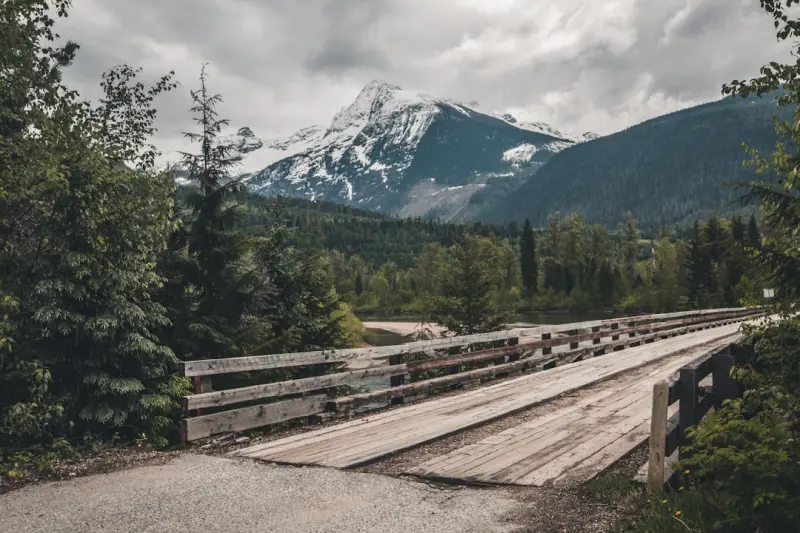
From Trail to Table: A Journey Through Canada’s Lesser‑Known Culinary Landscapes
Discover the untapped flavors of Canada’s backroads, where local farms, Indigenous kitchens, and h... Read More

Unleash the Fun: Discover Bowls & Blasters at Promenade Shopping Centre in Thornhill, Ontario
Looking for a guaranteed good time in Thornhill, Ontario? Forget the ordinary and prepare to be amaz... Read More
Top Posts

Scouts Canada Launches National Contest: Calling on Kids to Create Canada's Next Great Superhero!
OTTAWA, ON – June 3, 2025 /CNW/ – In a time when national pride is soaring and Canadians are showcasing their unique spirit, Scouts Canada, the coun...Read More

Tariffs Unpacked: How Hidden Duties Shape Your Daily Purchases
Explore the invisible tax of tariffs, how they affect everyday purchases, and what you can do to protect your wallet and advocate for fairer policies....Read More
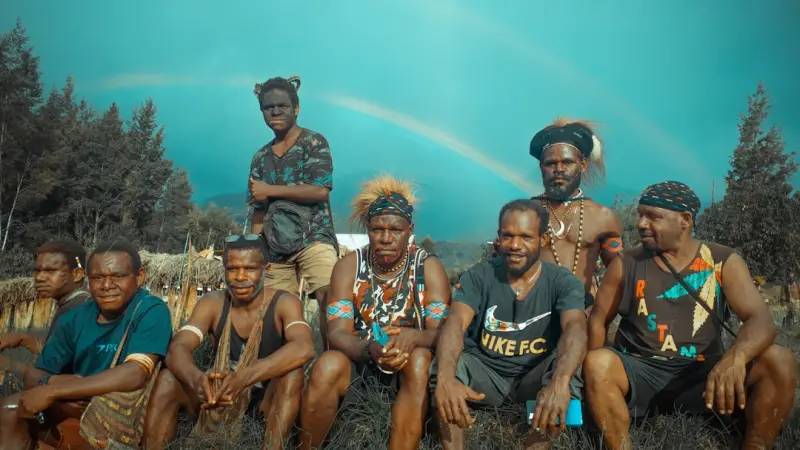
Grassroots Power, Indigenous Voices, and Digital Frontiers: Redefining Canadian Politics
A deep dive into the emerging forces—community activism, Indigenous youth leadership, and digital innovations—transforming Canadian politics and influencing...Read More

Why Audio Communities Are the Next Frontier for B2B Marketers
Megan Morris explains why audio‑first community hubs are transforming B2B marketing, offering actionable steps to build, monetize, and measure a thriving audi...Read More
0 Comments
Post Comment
You will need to Login or Register to comment on this post!