
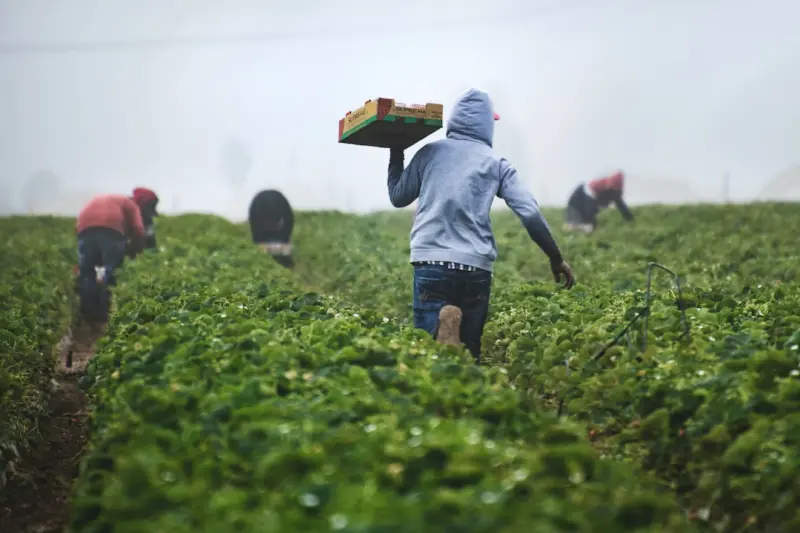
The Rise of Experiential Farming in Canada
When I first walked out of my grandfather’s barn at sunrise, the only “experience” I expected was the smell of fresh hay and the sound of cattle lowing. Fast‑forward a few decades, and the same fields that once fed families are now hosting weekend workshops, pop‑up markets, and immersive farm‑stay retreats. This isn’t a passing fad; it’s a structural shift in how Canadian farmers are positioning their land as a destination, not just a production site.
Across the Prairies, the Okanagan, and the Atlantic provinces, farmers are answering a growing appetite for authenticity. Urban dwellers, exhausted by the sterile aisles of grocery stores, crave a tangible connection to the food on their plates. They want to see the soil, meet the people, and learn the stories that make a carrot more than a vegetable. In response, we’re turning our farms into living classrooms, weekend getaways, and cultural hubs.
Why Traditional Farm Income Is Shifting
For generations, Canadian agriculture relied on commodity prices, government subsidies, and export markets to stay profitable. Over the last ten years, a perfect storm of volatile grain markets, climate uncertainty, and rising operating costs has forced many of us to diversify. While value‑added processing and direct‑to‑consumer sales are common, the Regenerative Tech: Canadian Farmers Build a Resilient Future movement showed us that technology alone isn’t enough; we need a human‑centric element that can’t be digitized away.
Enter agri‑tourism. It creates an additional revenue stream that is less sensitive to commodity swings. A family can pay $150 for a weekend “farm‑to‑table” experience, a school can book a day‑long field trip, and a corporate team can reserve a “harvest retreat” for leadership training. These dollars land directly in the farmer’s pocket, bypassing middlemen and offering higher margins.
Tech Tools That Turn Fields Into Stages
Technology is the backstage crew that makes the show possible. A few tools have become indispensable for modern agri‑tourism operators:
- Booking Platforms. Cloud‑based reservation systems let guests choose dates, activities, and even dietary preferences online. Many of us integrate these platforms with our existing farm management software, ensuring that a sudden surge in visitors doesn’t clash with planting schedules.
- AR & VR Storytelling. Augmented reality apps allow visitors to point their phones at a row of lettuce and instantly see a timeline of its growth, from seed to harvest. Virtual reality tours let urban audiences explore a farm from their living rooms, whetting their appetite for an in‑person visit.
- IoT Soil Sensors. Real‑time data on moisture, temperature, and nutrient levels can be displayed on digital dashboards in the visitor centre. Guests love watching the numbers fluctuate and learning how those changes affect flavor and yield.
- Mobile Payments & Contactless Check‑In. A seamless, touch‑free entry experience meets today’s hygiene expectations while speeding up the flow of guests.
These tools are not just conveniences; they are differentiators. A farm that can instantly show a guest how a rainstorm altered the sugar content in strawberries creates a memorable, data‑rich narrative that no traditional market stall can match.
Storytelling Meets Soil: Building Authentic Narratives
Every farm has a story, but the challenge is translating that story into an experience that resonates with a diverse audience. We start with the why—why this land matters, why we chose sustainable practices, why we partner with local Indigenous communities. Then we weave in the how—the day‑to‑day rituals, the science of soil health, the cultural traditions that shape our planting calendars.
One technique that works wonders is the “Story Loop.” Guests arrive, hear a concise 5‑minute intro from the farmer (often me), then participate in a hands‑on activity—planting a seed, milking a goat, or pressing apple cider. After the activity, we bring them back to the story, highlighting how their actions mirror centuries‑old practices. The loop closes with a tasting or a souvenir that reminds them of the narrative they just lived.
For inspiration on how to integrate narrative into a physical space, take a look at When the Kitchen Becomes a Stage. The same principles of immersive storytelling apply, just with soil instead of soufflé.
Indigenous Partnerships and Cultural Tourism
Canada’s agricultural landscape is intertwined with Indigenous stewardship. More farmers are forging partnerships with First Nations to co‑create cultural tourism experiences that honor traditional knowledge. These collaborations can involve guided foraging walks led by Indigenous elders, workshops on ancestral seed saving, or joint celebrations of seasonal festivals.
Such alliances do more than diversify income—they reinforce reconciliation and provide a platform for Indigenous voices in the food system. By sharing land rights histories and traditional ecological practices, we enrich the visitor experience and deepen the narrative authenticity that modern travelers crave.
Revenue Models: From Day Passes to Subscription Seasons
While a one‑off weekend stay can be lucrative, many farms are moving toward recurring revenue structures:
- Season Passes. Guests purchase a “Farm Season Pass” for $350, granting them access to monthly workshops, harvest festivals, and exclusive farm‑to‑table dinners. This model smooths cash flow across the year.
- Subscription Boxes. A quarterly “Harvest Box” delivers a curated selection of fresh produce, artisanal preserves, and a QR code linking to an AR story about each item’s journey.
- Corporate Retreat Packages. Companies book multi‑day retreats that blend team‑building exercises with sustainability workshops, often paying premium rates for the unique setting.
- Educational Partnerships. Schools and universities contract for curriculum‑aligned field trips, generating steady income during the off‑season.
Each of these models can be layered, allowing a farm to capture revenue from multiple audience segments simultaneously.
Challenges and Solutions
Turning a working farm into a tourist destination isn’t without hurdles. Below are the most common obstacles and how we’ve tackled them:
- Zoning & Regulatory Compliance. Many municipalities have strict rules about public access to agricultural land. We worked closely with local councils, presenting detailed traffic, safety, and environmental impact plans to secure permits.
- Liability and Insurance. Hosting guests introduces new risk exposures. Specialized agritourism insurance policies now exist, covering everything from slip‑and‑fall incidents to crop damage caused by visitors.
- Seasonality. The Canadian climate limits outdoor activities to a few months. To extend the season, we’ve built covered pavilions, indoor demonstration kitchens, and virtual experiences that keep guests engaged year‑round.
- Balancing Farm Operations. Guest activities must not interfere with planting, harvesting, or animal care. Detailed scheduling and clear signage help separate public zones from operational zones.
- Marketing Reach. Unlike a restaurant, farms don’t have a natural foot traffic stream. We’ve leveraged social media, local tourism boards, and partnerships with regional Community Energy Cooperatives to amplify our story and tap into eco‑tourist networks.
Looking Ahead: A Blueprint for Others
If you’re a farmer contemplating this path, here’s a concise roadmap:
- Assess Your Assets. Identify unique elements—heritage barns, rare heirloom varieties, scenic vistas—that can become focal points.
- Define Your Audience. Are you targeting families, foodies, corporate groups, or school children? Your target shapes the experience design.
- Invest in Core Tech. Start with a simple booking system and a mobile‑friendly website. Add AR or IoT enhancements as your budget allows.
- Craft a Narrative. Write a short, compelling story that ties together history, sustainability, and personal passion.
- Pilot a Small Event. Host a “Harvest Open House” to test logistics, gather feedback, and refine the guest journey.
- Secure Partnerships. Collaborate with local tourism bureaus, Indigenous groups, and nearby farms to create package deals.
- Formalize Insurance and Compliance. Work with a broker experienced in agritourism to close any liability gaps.
- Scale Thoughtfully. Expand offerings based on data—track visitor numbers, revenue per guest, and satisfaction scores to guide growth.
By following these steps, you can turn a patch of prairie or a rolling vineyard into a thriving experiential hub that not only diversifies income but also strengthens community bonds and educates the next generation about the value of agriculture.
Conclusion: Farming the Future of Experience
Canadian farmers have always been innovators—whether we’re adopting precision agriculture, exploring carbon markets, or now, designing immersive visitor experiences. The shift toward experiential agri‑tourism reflects a broader cultural yearning for authenticity, education, and connection. It’s a win‑win: farms earn supplemental income, visitors gain meaningful insight, and the wider public develops a deeper respect for the land that feeds us.
So the next time you hear the hum of a tractor on a crisp morning, imagine not just the grain being harvested, but the stories waiting to be shared, the hands waiting to be guided, and the smiles waiting to be cultivated. The fields are opening up, and the invitation is yours to accept.

Related Posts

Community, Resilience, and Tech for Canadian Farmers
Canadian farmers are reshaping agriculture by building cooperatives, prioritizing mental health, and... Read More
Harvesting Light: How Canadian Farmers Are Powering Their Future with Renewable Energy
Canadian farmers are turning to renewable energy—solar panels, wind turbines, and biogas—to lowe... Read More
Regenerative Roots: Canadian Farmers Building Climate‑Resilient Futures
Canadian farmers are merging ancient Indigenous stewardship with cutting‑edge technology to create... Read More
Top Posts

When Smart Toys Talk Too Much: A Parent’s Cautionary Tale
Smart toys promise interactive learning, but they also harvest data silently. This article uncovers the privacy pitfalls, offers real‑world examples, and prov...Read More

Tariff Turbulence: Redefining Tech Procurement in a Shifting Trade Landscape
Tariffs reach far beyond customs desks, affecting every layer of tech procurement—from hardware costs to cloud pricing. This article reveals hidden cost chain...Read More

National Supply Chain Resilience: A Blueprint for Canadian Enterprises
A deep dive into why Canada needs a unified approach to supply chain resilience, outlining strategic localization, data‑driven visibility, and collaborative e...Read More

The Unseen Struggles of Canadian Parents: A Mental Health Perspective
Canadian parents are struggling with unprecedented levels of stress, anxiety, and depression. Learn how to support mental wellness and create a culture of compa...Read More
0 Comments
Post Comment
You will need to Login or Register to comment on this post!