
Why Your Restaurant’s Soundtrack Matters More Than You Think
When I first slipped into a downtown bistro on a rain‑slicked evening, the soft clink of glassware, the low‑hum of animated conversation, and a carefully curated jazz riff wrapped around me like a warm blanket, instantly coaxing my appetite and setting a mood that felt both intimate and exhilarating, a sensation that no visual décor could replicate. I realized, in that moment, that sound is the invisible seasoning every chef forgets to sprinkle on the menu, a subtle force that guides diners from the instant they cross the threshold to the final, lingering bite of dessert, shaping perception without them even noticing. This epiphany sent me on a deep dive into the world of auditory design, eager to uncover how restaurants can deliberately orchestrate their soundscape to transform ordinary meals into unforgettable experiences that keep guests returning for more.
Scientific research in psychoacoustics shows that our brains process sound and taste in tandem, meaning the right auditory backdrop can amplify perceived flavors, enhance satiety, and even accelerate the release of dopamine, the feel‑good neurotransmitter that underpins hospitality satisfaction; studies reveal that slower tempos and lower frequencies tend to lengthen dining time and increase spend per head, while bright, upbeat tempos can energize a brunch crowd and boost turnover during peak hours. Moreover, the mere presence of background music has been linked to a 10‑15 % rise in perceived food quality, a statistic that explains why some of the world’s most acclaimed eateries invest heavily in bespoke playlists rather than leaving the ambience to chance. Understanding these connections empowers restaurateurs to move beyond intuition, using data‑driven sound strategies that align perfectly with their brand narrative and financial goals.
Choosing the right genre, volume, and tempo is akin to selecting a wine pairing; a low‑key indie folk set at 60 dB can cradle a farm‑to‑table tasting menu, allowing subtle earth tones to shine, whereas a lively Latin groove at 70 dB might amplify the zest of a spicy street‑food taco bar, creating a rhythmic harmony between plate and palate. Yet, the magic lies not merely in genre selection but in the nuanced calibration of volume—too loud and conversation stalls, too soft and the ambiance fades into oblivion—while tempo dictates pacing, with slower beats encouraging leisurely bites and faster rhythms prompting quicker plate turnover. By thoughtfully aligning these variables with the restaurant’s concept, owners craft an auditory experience that feels as intentional and satisfying as the culinary creations themselves.
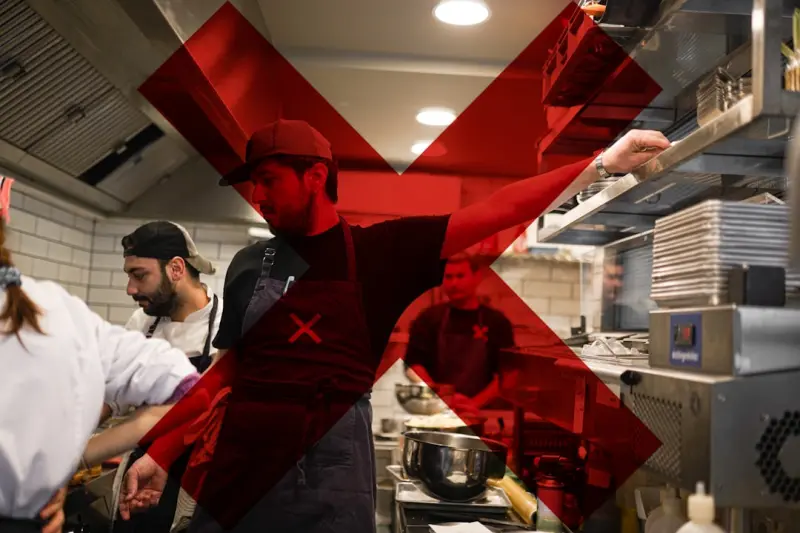
Beyond music, ambient sounds—like the gentle hiss of a kitchen’s stainless‑steel grill, the muted patter of rain against a patio awning, or the distant murmur of city traffic—serve as auditory anchors that root diners in a specific time and place, enhancing authenticity and storytelling; incorporating subtle nature recordings can evoke a sense of escape in an urban eatery, while the authentic clatter of open‑kitchen prep can reinforce transparency and craftsmanship. However, balance is crucial: an overabundance of kitchen noise can overwhelm guests, while a sterile silence may feel uncomfortable, prompting the brain to fill the void with imagined sounds that may not align with the brand. Curating a layered soundscape that blends music with carefully selected ambient elements creates a rich, immersive environment that subtly guides emotions without demanding conscious attention.
One of my favorite case studies is a mid‑city gastropub that partnered with a local sound designer to synchronize its playlist with seasonal menu changes, using flavor science insights to match tonal warmth with earthy mushroom dishes and bright citrus notes with summer salads; the result was a 12 % increase in average check size and a surge in repeat reservations, proving that auditory alignment can be as powerful as culinary innovation. The team also introduced subtle kitchen acoustics—soft metal clinks and the whisper of a gas flame—broadcast through hidden speakers, giving diners the comforting sensation of being close to the cooking process without the distraction of visual chaos. This holistic approach demonstrates that when sound is treated as a core menu component rather than an afterthought, it can elevate the entire dining narrative, turning a simple night out into a multi‑sensory journey.
For restaurateurs ready to experiment, the first step is a thorough audit of the existing sound environment, noting peak noise sources, current music rotation, and guest feedback on acoustics; from there, create a sound policy that defines genre themes for each dining zone, establishes volume limits (typically 65‑70 dB for fine dining, 70‑75 dB for casual settings), and outlines a schedule for rotating playlists to avoid auditory fatigue. Investing in quality sound equipment—directional speakers, acoustic panels, and sound‑masking devices—ensures clarity and reduces unwanted echo, while collaborating with a professional audio curator can provide customized tracks that reflect the restaurant’s brand DNA. Simple yet effective measures, like placing soft furnishings to absorb excess reverberation or using background nature recordings during slow periods, can dramatically improve the overall guest experience without breaking the budget.
Technology offers a growing toolbox for precision sound management: digital audio workstations allow seamless playlist automation, while AI‑driven platforms can analyze real‑time data on occupancy, time of day, and even weather to adjust tempo and genre on the fly, creating a dynamic soundtrack that feels intuitively responsive to the crowd’s energy; acoustic panels made from recycled materials not only enhance sound quality but also align with sustainability goals, adding an extra layer of brand storytelling. Additionally, mobile ordering apps can integrate subtle auditory cues—soft chimes or tonal confirmations—to reinforce brand consistency from the kitchen to the table, turning every interaction into a cohesive sensory moment. Embracing these innovations transforms sound from a background feature into a strategic asset that supports both operational efficiency and emotional connection.
Measuring the impact of sound design goes beyond anecdotal compliments; key performance indicators such as average dwell time, check size, table turnover rate, and post‑visit survey scores on ambiance provide quantifiable evidence of success, while advanced analytics can correlate specific playlist changes with spikes in specific menu item sales, revealing hidden synergies between auditory cues and culinary choices. Implementing brief, optional feedback tablets at the end of the meal allows guests to rate volume, music selection, and overall acoustic comfort, feeding data back into the sound policy for continuous refinement. By treating auditory metrics with the same rigor as food cost percentages or labor ratios, owners can justify investments in sound enhancements and iterate quickly to achieve optimal guest satisfaction and profitability.
Looking ahead, the future of restaurant soundscapes is poised to become even more immersive, with AI‑curated playlists that learn individual guest preferences, location‑based AR sound layers that transport diners to a bustling Mediterranean piazza or a tranquil forest clearing, and biometric feedback loops that adjust volume and tempo based on real‑time heart‑rate monitoring to keep diners relaxed yet engaged. As the line blurs between physical and digital experiences, establishments that integrate these cutting‑edge auditory technologies will stand out, offering a narrative‑rich environment that feels personalized, memorable, and inherently shareable on social media. This evolution aligns perfectly with broader trends highlighted in entertainment platforms, where sound is increasingly recognized as a pivotal component of storytelling and brand differentiation.
In conclusion, mastering the restaurant soundtrack is not a peripheral concern but a central pillar of hospitality excellence; by understanding the science behind sound, curating intentional music and ambient layers, leveraging modern technology, and rigorously measuring outcomes, restaurateurs can craft an auditory ambiance that amplifies flavor, deepens emotional connection, and drives measurable business growth. The next time you sit down for a meal, listen closely—you’ll discover that the most powerful ingredient on the plate may be the one you can’t see, but can certainly hear.

Related Posts
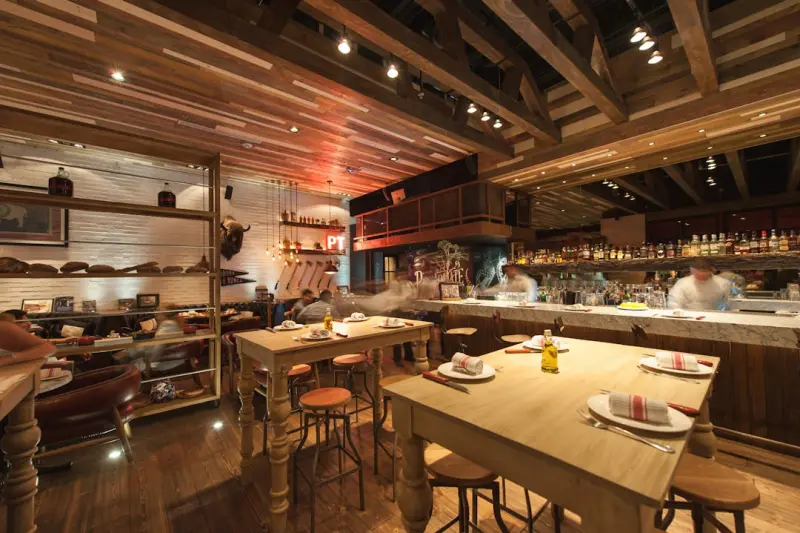
When Dining Becomes a Narrative: Inside the Immersive Storytelling Restaurant Trend
Restaurants are turning meals into immersive narratives, using themed décor, soundscapes, and menu ... Read More

The Art of Menu Storytelling: How Restaurants Turn Dishes into Narratives
Explore the power of menu storytelling, from immersive narratives to digital tools, and learn action... Read More
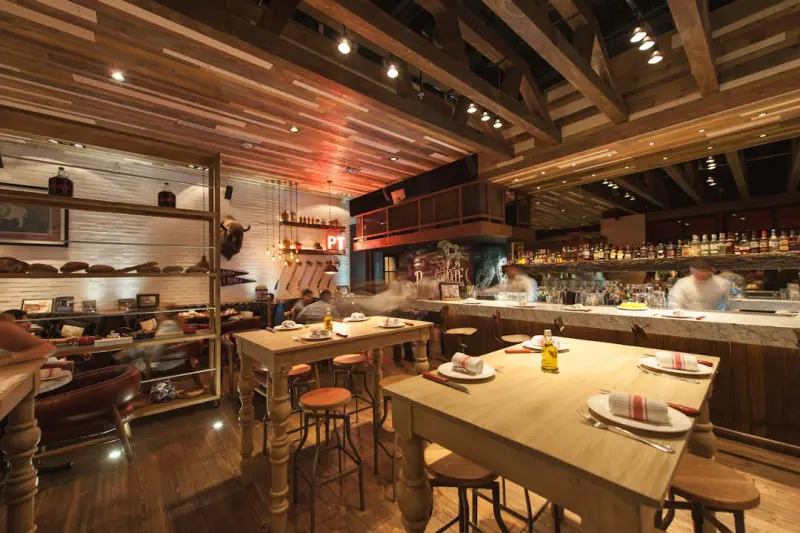
The Kitchen Playground: How Restaurants Are Crafting Immersive Dining Adventures
Modern eateries are treating kitchens as experimental playgrounds, blending pop‑up labs, cross‑i... Read More
Top Posts

The Next Wave of Cruise and Bus Tours: Personalization, Wellness, and Regeneration
Cruises and bus tours are evolving beyond traditional sightseeing, embracing real‑time personalization, health‑centric amenities, and regenerative tourism t...Read More

Seasonal Superfood Swaps for Everyday Nutrition
Learn practical, seasonal superfood swaps that transform ordinary meals into nutrient‑rich power foods, boosting energy, focus, and overall health without dem...Read More

Parental Warning: The Hidden Dangers of AI‑Powered Toys and Chatbots
AI toys may seem fun, but they hide risks to privacy, mental health, and safety. Learn how to safeguard your children with clear, actionable strategies....Read More
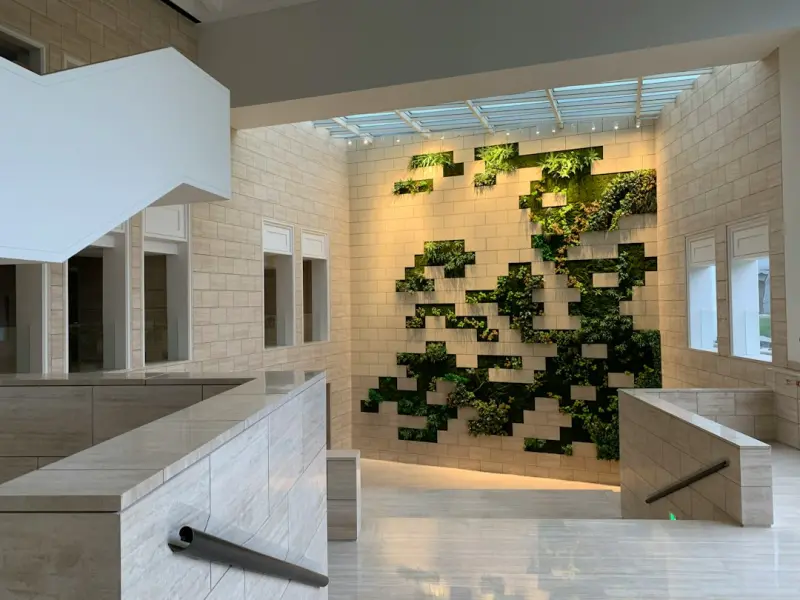
When Walls Breathe: Harnessing Biophilic Design for Workplace Health
Discover the science behind biophilic design and practical steps to turn your home office into a nature‑infused wellness hub, boosting focus, reducing stress,...Read More
0 Comments
Post Comment
You will need to Login or Register to comment on this post!