
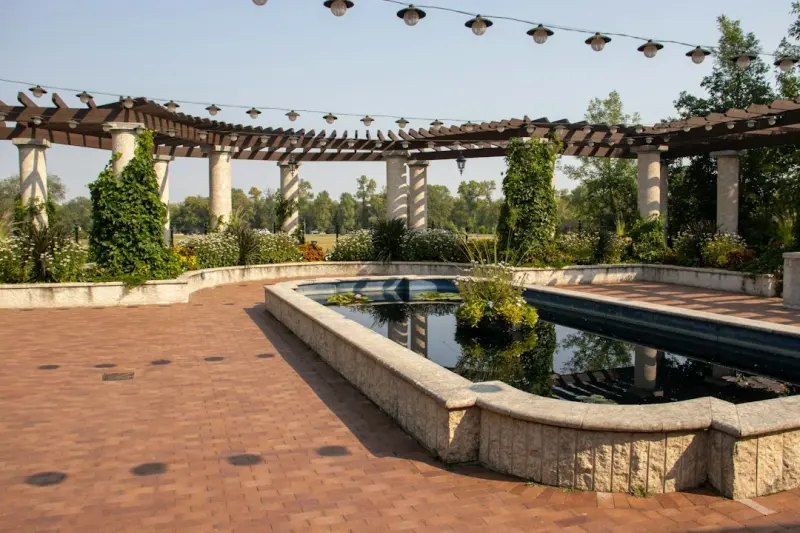
From Snowbanks to Sunrooms: Crafting a Year‑Round Backyard Oasis in Canada
When the first frost kisses the maple leaves, most Canadians retreat indoors, waiting for spring’s promise of green. But what if the backyard could be as inviting in December as it is in July? I’ve spent the past decade watching neighbourhoods evolve from bare, snow‑covered lots into vibrant, multi‑season sanctuaries, and the shift is nothing short of a cultural renaissance. In this post we’ll explore practical design strategies, the rise of community‑driven outdoor programming, and the tech‑enabled tools that make a four‑season garden possible—no matter whether you live in a bustling metro or a remote cottage.
The Climate‑Smart Blueprint: Designing for Canada’s Four Seasons
Canada’s climate is famously variable. A garden that thrives in Vancouver’s mild winters will struggle in Winnipeg’s sub‑zero blasts. The secret to success lies in layered resilience—designing spaces that can adapt as temperatures swing.
- Micro‑climate zones: Use natural windbreaks (evergreen hedges, stone walls) to create sheltered pockets where delicate perennials can survive longer into the cold.
- Seasonal structures: Portable pergolas, insulated gazebos, and retractable awnings allow you to swap open‑air dining for a cozy, heated nook at a moment’s notice.
- Year‑round plant selection: Combine hardy evergreens (spruce, fir) with spring‑blooming bulbs (snowdrops, crocuses) and summer heat‑lovers (lavender, sage). This ensures visual interest no matter the calendar.
When you think about the layout, treat each season as a “room” in your outdoor home. In summer, the patio becomes a dining hall; in autumn, a fire‑pit lounge; in winter, a snow‑play zone or an outdoor skating rink. By visualising each period as a functional space, you avoid the trap of “summer‑only” landscaping and instead create a backyard that earns its keep all year long.
Tech Meets Timber: Tools That Turn Dreams into Reality
Designing a four‑season oasis used to require a team of landscapers and a mountain of guesswork. Today, a handful of apps and smart‑garden gadgets can guide you from concept to completion.
One of my favourite resources is the immersive pop‑up entertainment movement that has been spilling over into outdoor spaces. Many of these pop‑up events rely on modular, plug‑and‑play lighting, sound, and climate control systems—technology you can repurpose for your own garden parties. Think of a portable misting system that activates on a hot July night, or LED lanterns that sync with music for a winter “aurora” experience.
Another game‑changer is augmented reality (AR) garden planners. By pointing your phone at the yard, you can overlay virtual plant beds, hardscape elements, and even simulate snowfall. This visualisation step helps you avoid costly missteps and gives you the confidence to experiment with bold layouts.
Finally, smart irrigation controllers linked to weather APIs ensure your plants get exactly the water they need—reducing waste during a dry spring and preventing over‑watering when the snow melts late in the season.
Community‑Centric Outdoor Programming
Backyards are no longer solitary retreats; they’re emerging as community hubs. In cities like Toronto and Calgary, neighbours are organising “garden swaps,” where families exchange seedlings, compost, and DIY garden décor. These exchanges foster a sense of belonging while also reducing the carbon footprint of purchasing new plants.
In smaller towns, local councils are partnering with residents to host seasonal festivals in residential streets—think pop‑up ice‑skating rinks on frozen ponds, or summer night markets in cul‑de‑sacs. The Rooftop Retreats trend has inspired many homeowners to convert flat roofs into mini‑parks, complete with fire pits and herb gardens. When you combine these elevated spaces with community events, you create an inclusive environment that encourages both physical activity and social connection.
These grassroots initiatives also provide a platform for local artisans. Hand‑crafted candle vendors, indie musicians, and culinary pop‑ups can set up shop in a backyard’s open space, turning a private garden into a micro‑economy that benefits the entire neighbourhood.
Winter Wonderland: Making the Cold Season Fun
Let’s be honest: many Canadians view winter as a time to hunker down. But with a little imagination, the cold can become a source of excitement.
- Outdoor fire circles: Modern, low‑smoke fire pits made from reclaimed steel provide warmth without the hassle of traditional wood fires. Pair them with heated blankets and a hot‑cocoa bar for a cozy gathering.
- Ice‑crafted art: Use clear acrylic molds and water from your own garden to create giant ice sculptures. The reflective surfaces add a magical glow to any night‑time event.
- Snow‑shoe trails: Design a loop of compacted snow around your yard. Add low‑level lighting and signage for a guided “snow walk” that can be enjoyed by kids and seniors alike.
By treating winter as an active season, you keep your garden alive socially and economically. Seasonal rentals—like portable heated cabins—can even generate extra income if you open your space to the public during holiday markets.
Summer Sanctuaries: The Art of Outdoor Living
When the days stretch long and the sun lingers, the backyard becomes an extension of the living room. To avoid the typical “lawn‑only” vibe, think in layers:
- Multi‑use decking: Choose reclaimed wood or composite decking that can transition from a dining table to a yoga platform.
- Vertical gardens: Install living walls made of herbs, succulents, and native ferns. They act as natural privacy screens and provide fresh ingredients for spontaneous meals.
- Pop‑up shade structures: Inspired by the pop‑up entertainment model, use modular canopies that can be rearranged for brunches, movie nights, or afternoon tea.
Food‑centric gatherings have also seen a resurgence. Home‑grown produce, paired with a small outdoor kitchen, allows for “farm‑to‑table” experiences without leaving the property. This trend dovetails nicely with the growing interest in urban kitchen innovation, where chefs experiment with hyper‑local ingredients.
Sustainable Practices: Keeping the Oasis Green
Sustainability isn’t just a buzzword; it’s a necessity for maintaining a thriving backyard in Canada’s diverse climate.
- Rainwater harvesting: Install barrels or underground cisterns to capture spring runoff. Use the stored water for summer irrigation, reducing reliance on municipal supply.
- Compost loops: Turn kitchen scraps into nutrient‑rich compost that feeds your garden beds. Closed‑loop systems can even support mushroom cultivation in shady corners.
- Native plant palettes: Selecting species adapted to local soil and weather reduces maintenance and provides habitat for pollinators.
By integrating these practices, you not only lower your environmental impact but also cut down on long‑term costs—a win‑win for any homeowner.
Financial Benefits: From Home Value to Rental Income
Investing in a year‑round backyard oasis can pay dividends in several ways:
- Property appraisal boost: Homes with professionally designed outdoor spaces often command a 5‑10% higher market price.
- Event rentals: A well‑equipped garden can be booked for small weddings, corporate retreats, or community workshops, generating supplemental revenue.
- Energy savings: Strategic planting (e.g., deciduous trees on the south side) provides natural cooling in summer and wind protection in winter, reducing heating and cooling costs.
These financial incentives make the upfront investment in quality materials and smart technology a sensible long‑term strategy.
Putting It All Together: A Step‑by‑Step Roadmap
- Assess your site: Conduct a micro‑climate analysis. Note sun exposure, wind direction, and drainage patterns.
- Define seasonal goals: Write down what you want your garden to do in each season (e.g., host a summer dinner, provide a winter fire pit).
- Sketch a flexible layout: Use graph paper or a digital planner to map zones that can shift purpose.
- Choose adaptable structures: Invest in modular pergolas, movable planters, and portable heating solutions.
- Integrate technology: Add smart irrigation, AR visualisation tools, and plug‑and‑play lighting.
- Plant wisely: Mix evergreens, perennials, and annuals for continuous colour and habitat.
- Engage the community: Host a seed swap or a pop‑up market to foster neighbourly ties.
- Maintain sustainably: Implement rainwater capture, composting, and native planting.
- Monetise thoughtfully: Consider rentals or ticketed events once your space is fully functional.
Following this roadmap transforms a simple backyard into a dynamic, four‑season hub that nurtures both the environment and the community.
Looking Ahead: The Future of Canadian Outdoor Living
As remote work solidifies its place in the Canadian economy, we’ll see an even greater demand for functional outdoor spaces. Imagine a backyard that doubles as a quiet Zoom‑friendly office in spring, a collaborative co‑working lounge in summer, and a reflective snow‑covered retreat in winter. The blend of technology, design, and community that we’re witnessing today sets the stage for a new era where the line between indoor comfort and outdoor freedom blurs—creating a lifestyle that’s uniquely Canadian.

Related Posts

Smart Insulation & Community Hubs Redefine Canadian Winters
Canadian winters are getting a makeover thanks to high‑performance insulation and community‑scal... Read More

Winter Street Fairs: Canada’s Cold‑Season Social Revival
Canadian cities are reimagining cold weather by turning sidewalks into bustling winter fairs, where ... Read More

Rediscovering Community: How Time Banking is Revitalizing Canadian Neighborhoods
A fresh look at time banking reveals how Canadians are turning hours into a community currency, stre... Read More
Top Posts

Digital Democracy in Canada: How Tech Is Redefining Governance
Canada’s political landscape is undergoing a digital revolution, with blockchain‑secure voting, AI‑assisted legislation, and interactive public consultati...Read More

Indigenous Inspirations Shaping Contemporary Canadian Homes
Discover how Indigenous design philosophy—rooted in land, materials, and storytelling—is influencing modern Canadian interiors, offering sustainable, meanin...Read More

Ontario’s Hidden Night Fishing Hotspots: A Guide for the Modern Angler
Explore the rise of night fishing in Ontario with practical gear recommendations, top lake hotspots, safety tips, and how technology and community events are re...Read More

Beyond the Gown: How Data‑Driven Personalization is Transforming Prom and Graduation
Explore fresh, tech‑savvy ways to upgrade prom and graduation—from AI‑curated music and sustainable dress codes to rhythm‑based scheduling and interacti...Read More
0 Comments
Post Comment
You will need to Login or Register to comment on this post!