
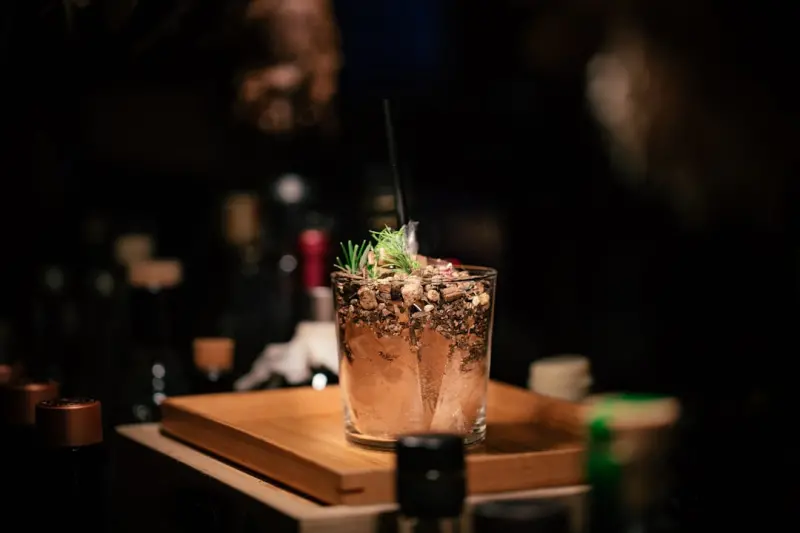
Why Zero‑Waste Cocktails Are the Next Big Thing in Food & Drink
When I first walked into a downtown bar that proudly displayed a sign reading “Zero‑Waste Cocktails Served Here,” I expected a gimmick—perhaps a garnish made from recycled paper or a glass that could be turned into a plant pot. What I found instead was a quiet revolution, a blend of creativity, sustainability, and science that’s reshaping how we think about drinking.
The Hidden Cost of a Night Out
Most of us have never paused to count the waste generated by a single cocktail. A typical mixed drink comes with a handful of disposable items: a plastic straw, a paper napkin, a single‑use garnish, and sometimes even a pre‑cut fruit slice that’s tossed after the last sip. Add in the excess fruit peels, herb stems, and the occasional over‑poured spirit, and you quickly accumulate a mountain of organic and non‑organic waste that ends up in landfills.
According to recent industry studies, bars in major cities generate up to 30 % more waste per patron than restaurants. That figure includes everything from glass bottles to the tiny plastic liners used in cocktail picks. The problem isn’t just the volume—it’s the missed opportunity to turn those by‑products into flavor, nutrition, and even profit.
Zero‑Waste Cocktail Philosophy: From Trash to Treasure
Zero‑waste mixology starts with a simple premise: everything that enters the bar should have a purpose, and nothing should leave the bar as waste. This mindset forces bartenders to ask three key questions for each ingredient:
- Can the peel, stem, or pulp be repurposed?
- Is there a way to extract flavor without discarding the whole piece?
- Can the by‑product be shared with the kitchen, the community, or even sold as a product?
These questions give rise to a suite of techniques—infusions, syrups, garnishes, and even edible containers—that transform potential waste into stars of the drink.
Ingredient Sourcing: The Power of Upcycling
One of the most exciting aspects of zero‑waste cocktails is the focus on upcycled ingredients. Instead of buying pre‑packaged, pre‑cut fruit, many forward‑thinking bars partner with local farms and markets to receive “imperfect” produce that would otherwise be discarded. A misshapen lemon or a slightly bruised carrot becomes the foundation of a house‑made tincture or a vibrant shrub.
Take the humble carrot top, for instance. While most chefs toss it, a skilled mixologist can steep it in vodka with a touch of ginger to create a bright, earthy spirit that adds depth to a gin‑based cocktail. Similarly, coffee grounds, often seen as a nuisance after the morning brew, can be dried and used to rim a cocktail glass, imparting a subtle smoky note that pairs beautifully with dark rum.
Tech Meets Mixology: AI‑Powered Flavor Pairing
Technology is also playing a crucial role in the zero‑waste movement. Advanced AI algorithms can analyze the chemical compounds in fruit peels, herb stems, and even spent grains to suggest unexpected flavor pairings. By feeding the system data on the nutritional profile of each by‑product, bartenders can craft drinks that are not only delicious but also nutritionally balanced.
For example, an AI might recommend pairing a citrus zest‑infused gin with a splash of beet‑derived vinegar, creating a cocktail that’s tangy, sweet, and packed with antioxidants. The result? A drink that feels indulgent while delivering a subtle health boost—an elegant nod to the idea that pleasure and wellness can coexist.
Case Studies: Bars Leading the Way
Across the country, a handful of establishments are proving that zero‑waste cocktails are more than a trend; they’re a sustainable business model.
- The Green Barrel in Vancouver has a “Scrap Bar” menu where each drink is built around ingredients that would otherwise be thrown away. Their signature “Peel & Reveal” uses orange and grapefruit peels to create a citrus‑forward vermouth, served with a garnish made from the same peel, eliminating any leftover waste.
- Spice & Spirit in Toronto runs a nightly “Compost Cocktails” session, where patrons can watch the bar’s chef turn spent coffee grounds into a smoky, espresso‑infused bitters. The grounds are then donated to a local urban farm, closing the loop between bar and community.
- Alchemist’s Den in Montreal leverages AI to design new drinks on the fly. Their system suggests pairings based on the day's surplus inventory, ensuring that nothing goes to waste while keeping the menu fresh and exciting.
These examples illustrate that zero‑waste isn’t about sacrificing flavor; it’s about unlocking hidden potential in ingredients that most people overlook.
From Bar to Home: DIY Zero‑Waste Mixology
You don’t need a professional bar to start experimenting. Here’s a simple three‑step guide to bring zero‑waste cocktails into your kitchen:
- Harvest and Store: Keep a bin in your fridge for fruit peels, herb stems, and even vegetable scraps. Freeze them in ice‑cube trays with a splash of spirit or water; they’ll be ready for infusions later.
- Infuse and Reduce: Use the frozen cubes to make quick infusions. Toss them into a saucepan with a base spirit, heat gently, and let the flavors meld. Strain, and you have a custom‑made tincture.
- Garnish with Purpose: Instead of buying pre‑made cocktail picks, dry out citrus peels in the oven and use them as aromatic garnishes. Or, transform a carrot top into a crisp garnish by blanching and shocking it in ice water.
These steps not only reduce waste but also give you a deeper connection to the ingredients, turning each sip into a story.
Linking to Larger Movements
The zero‑waste cocktail movement aligns with broader shifts in how we think about consumption. For those interested in how mindful sourcing can elevate performance, check out the power of colorful plates. The same principles echo in travel, where responsible practices are reshaping experiences—read more about that in regenerative tourism.
Economic Benefits: Turning Waste into Revenue
Beyond environmental impact, zero‑waste cocktails can improve a bar’s bottom line. By using what would otherwise be discarded, bars reduce ingredient costs. Moreover, unique, story‑driven drinks attract curious patrons willing to pay a premium for an experience that feels both exclusive and ethical.
Some establishments have even begun selling their upcycled syrups and bitters as retail products, creating an additional revenue stream. A small jar of “Citrus Peel Bitters” can fetch a price comparable to boutique imports, yet its production cost is a fraction of the traditional method.
The Future: Circular Bars and Community Collaboration
Looking ahead, the most exciting prospect is the emergence of “circular bars”—spaces that operate as part of a closed‑loop system with local farms, compost facilities, and community kitchens. Imagine a bar that supplies its spent fruit pulp to a bakery for muffins, while the bakery returns unsold goods to the bar for use in dessert cocktails.
Such collaborations not only reduce waste but also strengthen community ties, turning the act of drinking into a catalyst for local resilience. As more consumers demand transparency and sustainability, we can expect these models to proliferate, reshaping the entire hospitality landscape.
Take the First Sip
Zero‑waste cocktails are more than a fleeting fad; they’re a testament to human ingenuity—turning what once was discarded into something delightful. Whether you’re a seasoned bartender, a curious home enthusiast, or a sustainability advocate, there’s a place for you at this emerging table. Grab a peel, fire up your imagination, and start mixing a future where every sip counts.

Related Posts
Why Climate‑Resilient Ingredients Are Redefining City Menus
Discover how climate‑resilient ingredients are reshaping urban menus, offering chefs new flavors, ... Read More
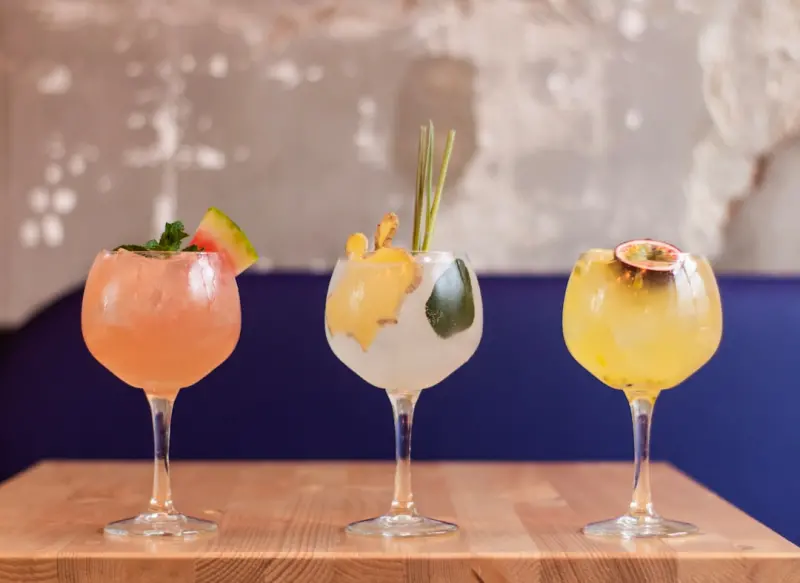
Wild Ingredients, Zero‑Waste Cocktails: A New Frontier for Food & Drink Lovers
Explore the rise of zero‑waste mixology, using foraged botanicals, natural sweeteners, and DIY fer... Read More
Zero-Waste Mixology: Turning Bar Scraps into Signature Sips
Explore the rising trend of zero‑waste mixology, where bartenders and home enthusiasts turn citrus... Read More
Top Posts
Unleashing Employee Advocacy: The Secret Weapon for B2B SaaS Growth
Employee advocacy transforms everyday staff into trusted marketers, boosting brand visibility and pipeline. Learn a step‑by‑step framework, measurement tact...Read More

Canada’s Comedy Renaissance: From Local Clubs to Global Spotlights
A deep dive into Canada’s thriving comedy scene, revealing how regional hubs, digital tools, and cultural storytelling are reshaping live humor into a global ...Read More

Designing a Memory‑Rich Prom & Graduation Experience
Learn to turn prom and graduation into a story‑driven, sensory‑rich celebration with budgeting tips, inclusive programming, and creative memory‑keeping id...Read More
Borrow, Don't Own: How Shared Tool Libraries Are Redefining the Cost of Living
Explore the financial and practical benefits of shared tool libraries, from reduced purchase costs and storage needs to community-driven savings and smarter bud...Read More
0 Comments
Post Comment
You will need to Login or Register to comment on this post!