
Why the Journey Matters More Than the Destination
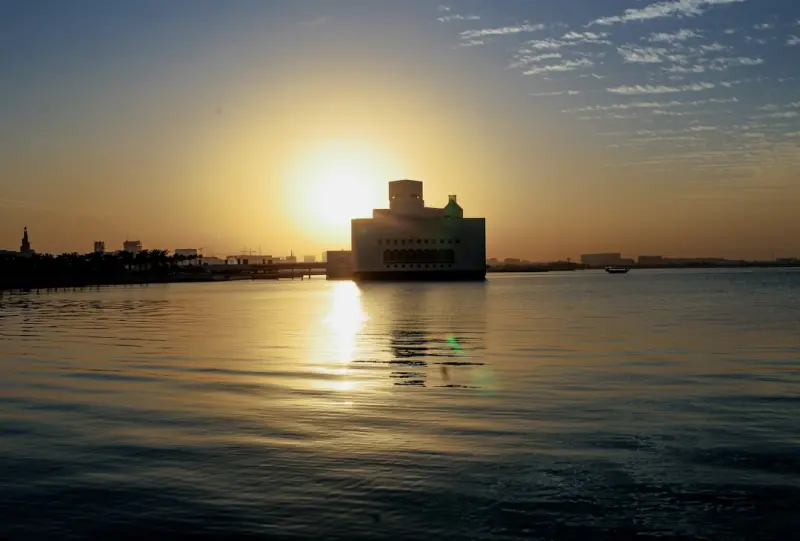
When I first stepped aboard a mid‑size cruise ship that doubled as a floating conference center, I expected the usual glossy brochures and endless buffets. Instead, I found a crew that treated each passenger like a neighbor on a long‑term road trip. The same principle applies to the best bus tours: they’re not just about getting from point A to point B, they’re about the conversations that spark in the aisle, the shared playlists that become the soundtrack of the trip, and the small, unexpected moments that turn strangers into a tribe.
The Power of Shared Spaces on Wheels and Waves
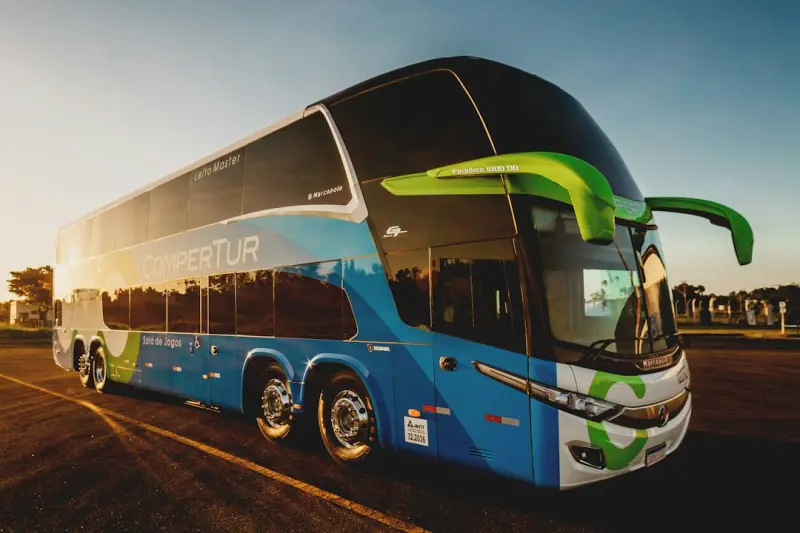
Both cruise ships and modern coach buses are moving habitats. Unlike a static hotel lobby, they force people into a shared rhythm—dawn meals, afternoon excursions, sunset decks. This enforced proximity creates a natural laboratory for community building. On a cruise, the promenade deck becomes a spontaneous networking lounge; on a bus, the overhead luggage rack doubles as a conversation starter (“Hey, you’ve got the same travel mug as me!”). By designing itineraries that encourage group activities—think themed cooking classes, collaborative scavenger hunts, or guided sunrise yoga—you turn travel time into a series of intentional bonding experiences.
Curating Culinary Moments That Stick
Food is the universal ice‑breaker, but the magic happens when it’s tailored to the journey. Imagine a chef‑led tasting menu that mirrors the ports of call on a cruise, each dish infused with local herbs that you later learn to grow at home. Or a bus tour that stops at a farm market, where the guide invites passengers to pick fresh produce and then returns to the bus for a pop‑up cooking demo. For inspiration on how dining can become an immersive adventure, see how restaurants are craft immersive dining experiences that could easily be adapted to a ship’s galley or a coach’s kitchenette.
Tech‑Enabled Personalization Without Losing the Human Touch
Technology often gets a bad rap for making travel feel sterile, yet when used wisely it can amplify the personal feel of a group trip. Mobile apps that let passengers vote on the next day’s excursion, or that push personalized reading recommendations based on the day’s scenery, keep everyone engaged. Budget‑savvy travelers also appreciate tools that flag group discounts or share real‑time cost breakdowns. A quick look at smart travel budgeting strategies shows how data‑driven insights can stretch a travel budget without sacrificing experience.
Eco‑Friendly Practices That Strengthen Community Bonds
When travelers see that their group is making conscious choices—like reducing single‑use plastics on board or choosing carbon‑offset routes—they feel a collective pride. Small gestures, such as providing reusable water bottles emblazoned with the tour’s logo or organizing a beach‑clean‑up during a shore‑leave, turn environmental stewardship into a shared mission. These actions generate conversation topics that extend beyond the itinerary and foster a sense of purpose among participants.
Designing the Itinerary as a Narrative, Not a Checklist
Instead of a laundry list of “must‑see” sights, frame the journey as a story with a clear arc: an opening act (the departure), rising action (the mid‑trip challenges or surprises), a climax (the flagship experience), and a resolution (reflection time on the last night). This structure gives passengers a sense of progression and encourages them to reflect together on how each chapter affected them. The result is a more memorable, emotionally resonant trip that participants will talk about long after the ship docks or the bus pulls into the terminal.
Practical Tips for Tour Operators Who Want to Foster Community
- Set ice‑breaker moments early. A welcome cocktail on the deck or a “meet‑your‑seatmate” game on the bus creates an immediate connection.
- Encourage shared responsibilities. Assign small tasks—like a “photo curator” who collects group snapshots for a shared album.
- Leverage local expertise. Invite a local storyteller to lead a night‑time walk, giving passengers a deeper cultural context.
- Provide flexible group activities. Not everyone wants the same experience; offering optional workshops lets people self‑select into smaller sub‑communities.
- Gather feedback in real time. Quick polls after each day’s adventure help you adjust the schedule to meet the group’s evolving interests.
The Long‑Term Impact of Community‑Focused Travel
When a cruise or bus tour succeeds in building genuine connections, the ripple effects extend far beyond the trip itself. Passengers often stay in touch through social media groups, plan reunions, or even collaborate on future projects. For the operator, this translates into repeat bookings, organic word‑of‑mouth marketing, and a brand reputation built on human connection rather than just logistics.
Conclusion: Turning Transit Into Transformation
Whether you’re sailing across a turquoise sea or cruising down a scenic highway, the secret to unforgettable travel lies in the intentional design of shared moments. By focusing on communal dining, tech‑enabled personalization, eco‑friendly practices, and a story‑driven itinerary, you can transform ordinary cruises and bus tours into vibrant, community‑building experiences. The horizon is not just a line you cross; it’s a canvas where relationships are painted, memories are forged, and the journey becomes the true destination.

Related Posts
Storytelling on Wheels: How Modern Bus Tours and Cruises Turn Travel into a Narrative Adventure
Travel is evolving from a checklist of sights to a living narrative. This post explores how bus tour... Read More

Sailing Roads: The Rise of Cruise‑Bus Hybrid Adventures
Explore the emerging cruise‑bus hybrid model, where sea voyages and overland journeys merge into a... Read More

Why City Cruises Should Be Your Next Adventure
Are you yearning for a unique perspective, a fresh breeze, and a memory that will last a lifetime? F... Read More
Top Posts

How Telehealth is Redefining Access to Care in Canada's Remote Communities
Telehealth is reshaping care for Canada's remote regions, delivering specialist services, cutting travel burdens, and fostering community health resilience....Read More

The Beer Store's Shrinking Footprint: Another Round of Closures Hits Ontario
The Beer Store, a fixture in Ontario's alcohol retail landscape, is undergoing a significant transformation. In a move that reflects the evolving dynamics of th...Read More

Personalized Nutrition: How Your DNA Can Guide a Healthier Diet
Explore the emerging field of nutrigenomics and learn how DNA insights can personalize your meals, improve digestion, and support long‑term health—all while...Read More

The Secret Sauce of SaaS Bundle Savings: How to Pack More Value Into Every License
Learn how to turn SaaS bundles into a sustainable savings engine by mapping features to outcomes, leveraging volume discounts, timing purchases, and using usage...Read More
0 Comments
Post Comment
You will need to Login or Register to comment on this post!