
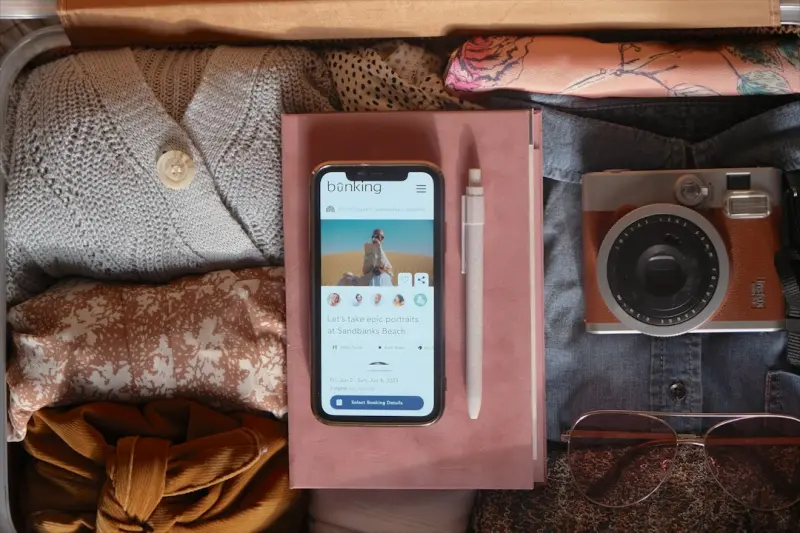
Turning Travel into a Mobile Innovation Lab
When I first stepped onto a sun‑kissed deck and later onto a sleek, climate‑controlled coach, I realized that the journey itself could become a catalyst for real‑world learning. The traditional view of cruises and bus tours as passive vacations is shifting. Today’s itineraries can serve as rolling laboratories where cross‑functional teams experiment with new ideas, test emerging tech, and co‑create strategies—all while the horizon rolls by.
The Power of Context‑Driven Learning
Learning in a static conference room often feels disconnected from the problems we solve back at the office. By contrast, a cruise or bus tour places teams in a constantly changing environment—different ports, landscapes, and cultural touchpoints. This fluid backdrop triggers curiosity, prompting questions that rarely surface in a 9‑to‑5 setting.
Research shows that contextual relevance boosts knowledge retention by up to 30%. When a product manager discusses supply‑chain resilience while watching a cargo port unload, the lesson sticks. When a developer sketches a UI mock‑up while the bus winds through a historic district, the visual inspiration translates into more intuitive design choices.
Designing the Collaborative Journey
Creating a learning‑focused travel experience starts with three pillars: purposeful agenda, interactive touchpoints, and real‑time reflection.
- Purposeful agenda: Define a clear learning objective for each leg of the trip. It could be a deep‑dive into sustainability metrics, a hackathon on data‑driven personalization, or a workshop on stakeholder empathy.
- Interactive touchpoints: Leverage the ship’s conference rooms, outdoor decks, or the bus’s multimedia screens for pop‑up labs, rapid‑prototype sessions, or live customer interviews.
- Real‑time reflection: End each day with a structured debrief—either in a lounge, a private cabin, or a scenic overlook—to capture insights while they’re fresh.
Technology That Bridges Sea and Road
Modern travel platforms now embed personalized cruise experiences powered by AI, but the same engine can serve collaborative learning. Imagine an app that syncs with the itinerary, pushes micro‑learning modules aligned with the day's location, and collects real‑time feedback.
For bus tours, onboard Wi‑Fi paired with edge‑computing devices enables teams to run data‑intensive simulations without needing a full‑blown office. A data scientist can process sensor streams from a coastal monitoring station while the coach glides past, turning the journey into a live case study.
Case Study: The “Innovation at Sea” Expedition
Last quarter, a SaaS firm chartered a mid‑size cruise vessel for a ten‑day “Innovation at Sea” program. The itinerary blended industry talks with on‑deck brainstorming sprints. Key outcomes included:
- A prototype for a predictive maintenance dashboard built using real‑time engine telemetry.
- A cross‑departmental roadmap that aligned product, sales, and support around a unified AI‑driven customer journey.
- Increased team cohesion measured by a 25% rise in post‑trip NPS scores.
The secret sauce? The crew facilitated “idea‑waves”—short, themed brainstorming bursts timed with natural moments like sunrise or a ship‑wide dinner. These micro‑sessions leveraged the ship’s rhythm to keep energy high and distractions low.
Bus Tours as Mobile Co‑Creation Studios
While cruises offer expansive venues, bus tours excel at bringing teams close to the communities they serve. A recent carbon‑light travel initiative used electric coaches to shuttle product teams through emerging markets, enabling on‑the‑ground user interviews at each stop. The teams captured live feedback, adjusted feature backlogs, and even co‑designed localized UI elements with local designers.
The rolling nature of the bus creates a shared narrative. As the wheels turn, stories accumulate, fostering a sense of collective ownership over the project’s direction. By the final stop, the product roadmap feels less like a top‑down directive and more like a collaboratively authored manuscript.
Integrating Wellness without Losing the Edge
It’s tempting to assume that high‑energy brainstorming and wellness don’t mix. Yet, when teams engage in mindful movement—like sunrise yoga on deck or a quick stretch on a coach’s aisle—they return to the workbench with sharper focus. The trick is to embed brief, purpose‑driven wellness moments that complement, rather than interrupt, the learning flow.
One crew member on a recent cruise noted that a 10‑minute mindfulness session before a pitch competition reduced presentation anxiety by 40%, leading to clearer, more persuasive storytelling.
Measuring Impact: From Anecdotes to Analytics
To justify the investment, organizations need data. Here’s a simple framework:
- Pre‑trip baseline: Survey teams on knowledge, collaboration confidence, and engagement.
- During‑trip metrics: Capture real‑time participation rates, idea submissions, and sentiment via the onboard app.
- Post‑trip outcomes: Track implementation rates of ideas generated, project timeline acceleration, and employee retention.
When the same SaaS firm from the “Innovation at Sea” expedition applied this framework, they logged a 3‑month reduction in time‑to‑market for three flagship features, directly tied to concepts born on the ship.
Bridging the Gap Between Travel and Remote Work
In a world where hybrid work is the norm, the line between “vacation” and “office” is blurring. Cruises and bus tours can serve as the ultimate hybrid space: a place where the informal, exploratory vibe of travel meets the structured, outcome‑driven mindset of remote teams.
By treating the journey as a temporary office, leaders can harness the natural camaraderie that forms when teams share meals, watch sunsets, and navigate unfamiliar streets together. This shared experience builds trust faster than any virtual icebreaker.
Practical Tips for Leaders Ready to Set Sail
- Start small: Pilot a one‑day “learning cruise” or a weekend bus retreat before committing to a full‑scale expedition.
- Leverage partners: Work with cruise lines or coach companies that already offer conference facilities and technical support.
- Curate content: Align every session with the day’s location—e.g., a sustainability workshop when docking at an eco‑port.
- Encourage spontaneity: Leave buffer time for unscripted discovery, whether that’s a local market visit or an impromptu brainstorming walk.
- Document everything: Use shared digital notebooks, voice recordings, and photo logs to capture insights before they evaporate.
Looking Ahead: The Next Frontier of Mobile Learning
As the travel industry embraces AI, IoT, and immersive media, the potential for on‑the‑move collaboration expands. Imagine AR overlays that highlight a ship’s engineering systems during a maintenance workshop, or VR simulations of a bus route’s passenger flow that teams can tweak in real time.
These technologies will turn every cruise deck and coach aisle into a dynamic classroom, where learning is as fluid as the seas and as connected as the highways. For forward‑thinking companies, the future isn’t just about where you go—it’s about how the journey reshapes the way you think, create, and grow together.

Related Posts
Why City Cruises Should Be Your Next Adventure
Are you yearning for a unique perspective, a fresh breeze, and a memory that will last a lifetime? F... Read More
Exploring the Hidden Gems of Rural America: A Journey Through Uncharted Getaways
Explore rural America's hidden gems through bus tours and cruises. Discover unique experiences, cult... Read More
Charting New Waters and Roads: How Curated Cruise and Bus Tours Fuel Executive Insight
Executive travel is evolving beyond leisure. Curated cruise and bus tours now blend cultural immersi... Read More
Top Posts
Breathing New Life into Everyday Health
Paige shares her personal journey with breathwork, offering quick, science-backed exercises that anyone can slip into a busy day—turning ordinary moments into...Read More

Rethinking Representation: How Canada’s Parliament Can Keep Pace with a Digital Age
A deep dive into how Canada’s legislative body can adopt SaaS‑inspired practices, digital identity, AI fact‑checking, and citizen assemblies to bridge the...Read More
How Tariffs Can Spark a Local Shopping Revolution
Tariffs do more than raise prices—they reshape product choices, inspire local sourcing, and push consumers to rethink budgets. Explore practical ways to turn ...Read More

The Next Harvest: How Canadian Farmers Are Harnessing Collaborative Tech for Resilience
Canadian farmers are shifting from isolated operations to collaborative networks, sharing equipment, data, and market access through innovative platforms that e...Read More
0 Comments
Post Comment
You will need to Login or Register to comment on this post!