
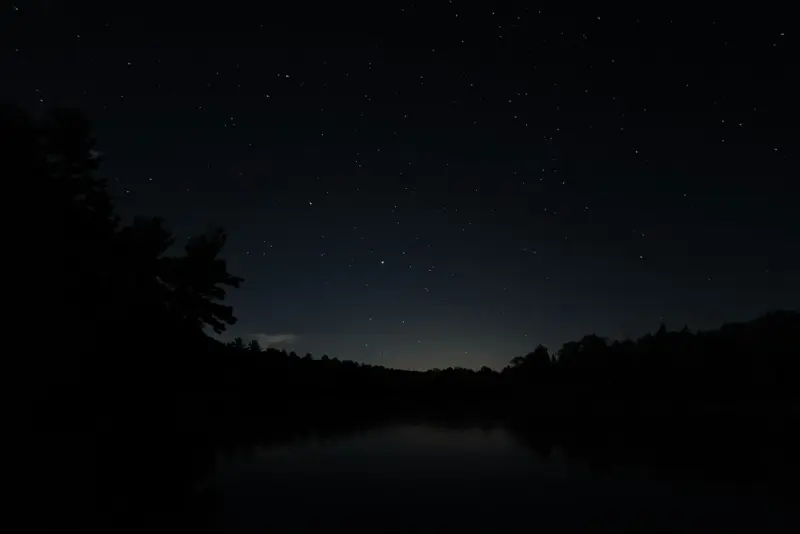
After‑Dark Angling: Unlocking Ontario’s Nighttime Fishing Secrets
When most anglers in Ontario think of a perfect day on the water, they picture sunrise over a misty lake, a cool breeze, and the steady rhythm of a reel. But the real magic often starts when the sun dips below the horizon. Night fishing—once a niche pursuit for the daring—has surged in popularity across the province, offering quieter waters, unique fish behavior, and a whole new set of challenges that keep seasoned pros on their toes.
In this deep dive, I’m sharing the techniques, gear, and mindset that have transformed my own nocturnal outings into unforgettable experiences. Whether you’re a seasoned veteran curious about the after‑dark scene or a newcomer ready to chase that elusive night‑time bite, these insights will help you navigate Ontario’s lakes and rivers when the stars come out.
Why Fish at Night? The Science Behind After‑Dark Activity
Ontario’s diverse waterways—ranging from the expansive Great Lakes to secluded tributaries—host a remarkable variety of species. Many of them, including walleye, northern pike, and lake trout, exhibit heightened feeding activity after dusk. Here’s why:
- Reduced Light, Heightened Senses: As daylight fades, fish rely less on vision and more on lateral line detection and sound. This makes them more responsive to subtle vibrations and scent cues you can exploit with the right lures.
- Temperature Stability: Nighttime water temperatures tend to remain more constant, especially during warm summer months. Fish can maintain a steady metabolism, prompting them to hunt actively.
- Predator‑Prey Dynamics: Predatory fish often move into shallower feeding zones under cover of darkness, hunting smaller prey that venture close to the surface.
Understanding these behavioral shifts is the first step toward a successful night fishing strategy.
Gear Up: Essentials for Safe and Effective Night Fishing
While the core tackle you’d use during daylight remains relevant, there are a few night‑specific upgrades that make a world of difference.
- Lighting: A reliable headlamp with a red LED mode preserves night vision while still illuminating your line and knots. Pair it with a waterproof lantern for a broader light pool when you need to locate fish or navigate a boat.
- Glow‑In‑The‑Dark Lures: Many manufacturers now produce lures infused with phosphorescent pigments. They emit a soft glow that mimics the bioluminescence of natural prey, drawing in curious predators.
- Electronics: Portable fish finders with night‑mode displays can reveal depth, structure, and fish schools even in total darkness. Some anglers also experiment with low‑frequency sonar “pingers” that attract fish by mimicking the sounds of baitfish.
- Safety Gear: A personal flotation device (PFD) with a reflective stripe, a whistle, and a waterproof VHF radio are non‑negotiables. The water feels calmer at night, but reduced visibility can lead to disorientation quickly.
One of my favorite tech add‑ons is a compact, Bluetooth‑enabled depth sensor that syncs with my phone. The real‑time data lets me adjust my lure depth on the fly, turning guesswork into precision.
Choosing the Right Spot: Ontario’s Prime Nighttime Hotspots
Not every body of water offers the same night‑time bounty. Here’s a quick guide to the provinces’ most productive after‑dark locations:
- Lake Simcoe: Known for its prolific walleye runs, the southern basins become a walleye hotspot after sunset, especially near submerged points and weed edges.
- Mississagi River (North Shore): This river’s fast‑moving sections host trophy-sized northern pike that aggressively strike at night, particularly around riffles and hidden pools.
- Lake of the Woods: The sprawling archipelago offers countless secluded coves where lake trout feed on deep‑water minnows that surface under low light.
- St. Lawrence River’s Thousand Islands: The complex shoreline creates a maze of channels where catfish and muskellunge hunt after dark, drawn by the river’s subtle current changes.
When scouting a new spot, look for structures that create shadows—rock ledges, submerged trees, or deep drop‑offs. These “dark zones” become feeding corridors for night‑active fish.
Tech‑Enabled Tactics: Merging Tradition with Modern Tools
Ontario’s fishing community has always been early adopters of innovation. Tonight’s anglers can harness a blend of old‑school intuition and cutting‑edge technology to stay ahead of the game.
For instance, the Rooted Resilience article highlighted how local producers are using data analytics to adapt to climate shifts. The same principle applies to fishing: by logging water temperature, moon phase, and weather patterns in a simple spreadsheet or fishing app, you can predict when fish are most likely to bite.
Another emerging trend is the use of “smart lures” equipped with micro‑LEDs and tiny batteries that flash in customizable patterns. When paired with a phone‑controlled controller, you can adjust the flash sequence to mimic different baitfish species, increasing the lure’s appeal under varying night conditions.
Seasonal Nuances: Moon Phases, Weather, and Their Impact
Night fishing isn’t just about darkness; the lunar cycle plays a crucial role. A full moon can illuminate the water, making fish more cautious, while a new moon creates deeper darkness, encouraging bolder strikes.
Here’s a quick reference:
- New Moon: Ideal for stealthy presentations; fish are less likely to be spooked.
- First/Last Quarter: Moderate light—great for targeting walleye that feed near the surface.
- Full Moon: Use deeper-running lures; surface feeding fish may be more hesitant.
Weather fronts also affect night activity. A cold front dropping temperature after sunset often triggers a feeding frenzy as fish capitalize on the sudden change.
Catch‑and‑Release Ethics: Preserving Ontario’s Nighttime Populations
With great opportunity comes great responsibility. Ontario’s fisheries managers have emphasized the importance of sustainable practices, especially as night fishing gains momentum.
Follow these best practices to ensure the sport remains viable for future generations:
- Use Barbless Hooks: They reduce injury and make release quicker.
- Handle Fish with Wet Hands: This protects their mucous layer, essential for respiration.
- Minimize Air Exposure: Keep the fish in water as much as possible; if you must take a photo, do it swiftly.
- Know Size & Bag Limits: Ontario’s regulations vary by lake and species; always check the latest guidelines before heading out.
When you practice responsible catch‑and‑release, you contribute to the health of Ontario’s ecosystems, ensuring that night anglers will continue to enjoy thriving populations.
Cooking the Night’s Catch: From Hook to Plate
There’s something uniquely satisfying about cooking a fish you landed under a moonlit sky. While many anglers simply clean and freeze their haul, you can turn that fresh catch into a culinary masterpiece.
Start by gently rinsing the fish in cold water and patting it dry. A quick brine—mixing salt, a pinch of sugar, and cold water—helps firm the flesh and enhance flavor. Then, consider a simple yet elegant preparation: pan‑seared walleye with a herb‑butter glaze. Pair it with seasonal vegetables for a wholesome dinner that celebrates Ontario’s bounty.
If you’re interested in extending the life of your catch while reducing waste, check out the Zero‑Waste Fermentation guide. Though it focuses on vegetables, the principles of fermentation can be applied to fish, creating tangy, shelf‑stable preparations perfect for camping trips or quick snacks on a multi‑day fishing expedition.
Integrating Sustainable Lifestyle Choices: A Night Angler’s Perspective
Night fishing aligns beautifully with the broader sustainability movement. The reduced daylight means fewer people on the water, leading to less traffic, lower fuel consumption, and a quieter environment for wildlife.
Just as the Sip Sustainably piece explores climate‑smart choices in the kitchen, you can adopt eco‑friendly habits on the water:
- Portable Solar Chargers: Power your electronics without relying on disposable batteries.
- Reusable Water Bottles & Insulated Cups: Keep hydrated without single‑use plastics.
- Leave No Trace: Pack out all trash, including fishing line, which can entangle wildlife.
These small steps amplify the positive impact of your night outings, turning each trip into a statement of stewardship.
Stories from the Shore: Memorable Nighttime Moments
Every night angler has that one story that makes the heart race. Here are a few that illustrate the thrill of after‑dark fishing:
- The Glow‑In‑The‑Dark Walleye: On a moonless night on Lake Simcoe, a phosphorescent jig triggered a frenzied strike from a 2‑pound walleye that leapt out of the water, shimmering under my headlamp.
- Ice‑Free Pikes on the Mississagi: During an early‑summer thunderstorm, the rain‑filled river created a churning surface. My spoon lure, vibrating just above the waterline, attracted a massive pike that hooked on the first pass.
- Moonlit Catfish Feast: While drifting under a full moon on the St. Lawrence River, a line went tight after a soft glow from a bioluminescent lure. The haul? A 30‑lb catfish that fought for nearly an hour before surrendering.
These anecdotes underscore the unpredictable, rewarding nature of night fishing. The combination of darkness, sound, and anticipation creates an experience unlike any other.
Planning Your First Night Out: A Step‑by‑Step Checklist
- Research Regulations: Verify local licensing, size limits, and any night‑specific restrictions for your chosen waterbody.
- Pick a Spot: Use online maps or community forums to identify promising locations with known night activity.
- Gear Preparation: Pack headlamps, waterproof gear, glow‑in‑the‑dark lures, and safety equipment.
- Check Weather & Moon Phase: Aim for a clear night with a favorable lunar phase for the species you target.
- Prep Your Boat or Shore Setup: Ensure batteries are charged, lines are spooled, and any electronics are waterproofed.
- Set Up a Safety Perimeter: If fishing from a dock, use reflective markers and keep a spare flashlight within reach.
- Start Slow: Cast near structure first, then gradually move outward as you gauge fish response.
- Log Your Results: Note time, depth, lure type, and catch. Over time, patterns will emerge, refining your approach.
Following this checklist will help you avoid common pitfalls—like being caught off‑guard by sudden temperature drops or losing track of your boat in the dark—and set you up for a rewarding night on the water.
Final Thoughts: Embrace the Night, Respect the Waters
Ontario’s lakes and rivers hold a hidden world that awakens once the sun goes down. By understanding fish behavior, equipping yourself with the right gear, and practicing sustainable habits, you can tap into a quieter, more intimate fishing experience.
So the next time you hear the evening chorus of crickets and the gentle lapping of water against a dock, consider packing a headlamp and a few glow‑in‑the‑dark jigs. The night is waiting, and Ontario’s fish are ready to bite.

Related Posts
Ontario Fishing: Reel in Family Fun and Create Lasting Memories
Ontario, a province renowned for its breathtaking landscapes and vast network of pristine waterways,... Read More

Chasing the Twilight Trophies: Night‑time Bass Secrets in Ontario’s Lesser‑Known Waters
Explore the unique ecosystem of Ontario’s night waters, learn how to locate hidden hot spots, choo... Read More
Ontario Night Fishing: Secrets Under the Moonlit Waters
Explore Ontario’s hidden night‑time fishing hotspots, learn how to gear up, choose the right bai... Read More
Top Posts

The Five‑Hour Escape: Redefining Travel with Micro‑Getaways
Explore the booming trend of micro‑getaways—short, curated trips that deliver deep experiences, sustainability, and local support in just a handful of hours...Read More

Tech‑Savvy Prom & Graduation: Turning One Night Into a Lasting Digital Celebration
Blend tradition with technology—QR code invites, AR booths, AI playlists, and savvy budgeting—to create a prom or graduation night that lives on in digital ...Read More

Cultivating Change: A Canadian Farmer’s Journey into Regenerative Agriculture
A first‑hand account of how a Canadian farmer transforms his land with regenerative practices, boosting soil health, profitability, and community resilience....Read More

Sailing the Land: Crafting Unforgettable Cruise‑Bus Hybrid Journeys
Explore the art of merging sea voyages with scenic bus routes, offering seamless transitions, sustainable practices, and unforgettable multi‑generational expe...Read More
0 Comments
Post Comment
You will need to Login or Register to comment on this post!