
When Algorithms Meet Aromas: AI‑Powered Flavor Pairing for the Home Chef
Ever stared at your pantry and felt a pang of indecision? You’ve got a jar of miso, a half‑baked bag of quinoa, and a lone lemon that’s been waiting for a purpose. Traditional cookbooks can only take you so far, and guessing “what goes with what” often ends in bland compromises or, worse, culinary catastrophes. Enter the new wave of AI‑driven flavor pairing tools that promise to turn your kitchen into a lab of limitless taste experiments.
These platforms aren’t just clever gimmicks; they’re built on decades of sensory science, massive databases of chemical compounds, and machine‑learning models that can predict how flavors will interact at a molecular level. For the modern home cook—busy, data‑savvy, and eager for novelty—this technology feels like a personal sous‑chef that never sleeps.
From Molecules to Meals: How the Technology Works
At the heart of AI flavor pairing is the concept of volatile aromatic compounds. Every ingredient carries a unique fingerprint of these molecules, which are responsible for the scents and tastes we associate with it. By mapping these fingerprints across thousands of foods, AI can identify unexpected synergies. For example, the model might reveal that the grassy notes in fresh peas harmonize with the umami depth of fermented soy sauce—a pairing that traditional Western cookbooks seldom highlight.
Data is harvested from three primary sources:
- Scientific literature on food chemistry, which details the exact compounds present in each ingredient.
- Consumer taste‑test datasets, where millions of palates have rated flavor combinations.
- Real‑world recipe repositories, which provide contextual clues about how flavors have been successfully combined historically.
The AI engine crunches this information, applying clustering algorithms to find groups of compounds that “play well together.” It then surfaces suggestions that balance contrast (sweet vs. bitter) and complementarity (matching aromatic families). The result? A recommendation list that feels both adventurous and intuitively right.
Why It Matters for Everyday Cooking
Most home cooks rely on habit, family traditions, or the occasional viral recipe. While comforting, this approach limits culinary growth. AI flavor pairing does three things that can genuinely elevate your daily meals:
- Unlocks creativity by surfacing pairings you’d never consider—think pineapple with smoked paprika, or beetroot with dark chocolate.
- Reduces waste by suggesting ways to incorporate leftover ingredients into cohesive dishes, turning what might be trash into a tasty triumph.
- Speeds up decision‑making, offering instant suggestions that cut down the dreaded “what’s for dinner?” paralysis.
And because the suggestions are data‑backed, you’re less likely to end up with a flavor clash that leaves you reaching for the ketchup. Think of it as a safety net that still encourages you to stretch your palate.
Case Study: From Pantry to Plate in 30 Minutes
Let’s walk through a real‑world scenario. Imagine you’ve just returned from a grocery run and your cart contains:
- Frozen edamame
- Canned coconut milk
- Fresh ginger
- A bag of dried apricots
- A leftover slab of halloumi
Plugging these items into an AI flavor platform instantly generates a recipe idea: Spicy Coconut Edamame Soup with Apricot‑Glazed Halloumi Croutons. The system explains the logic:
- The creamy coconut provides a rich base that balances the peppery heat of ginger.
- Edamame contributes a fresh, vegetal snap that contrasts the sweet, tangy notes of apricot.
- Glazing halloumi with apricot jam adds a caramelized finish that ties the soup and garnish together.
The entire dish can be assembled in under 30 minutes, uses only what’s on hand, and feels restaurant‑worthy. This is the power of algorithmic inspiration: it transforms random pantry items into a cohesive culinary story.
Integrating AI Pairings with Traditional Techniques
Don’t mistake these tools for a replacement for classic cooking knowledge. The best outcomes happen when AI suggestions are combined with human intuition. Here’s how you can blend the two:
- Start with the AI recommendation as a scaffold.
- Adjust for seasonality—swap a summer fruit for a winter root if it fits your schedule.
- Consider texture—AI often focuses on flavor; you might add a crunchy element like toasted nuts to balance a silky sauce.
- Season to taste—use salt, acid, or heat to fine‑tune the final profile, just as a seasoned chef would.
This collaborative approach ensures that you retain control while leveraging data‑driven insights.
Beyond the Plate: The Ripple Effects on Food Culture
When AI becomes a kitchen staple, the ripple extends far beyond individual meals:
- Reduced food waste: By suggesting ways to incorporate leftovers, these tools can cut household food waste dramatically—a win for both wallets and the planet.
- Democratization of gastronomy: Gourmet‑level flavor experimentation is no longer confined to Michelin‑starred chefs; anyone with a smartphone can access it.
- New market opportunities: Ingredient producers can use AI trend data to develop products that align with emerging flavor pairings, driving innovation in the food industry.
In a way, this mirrors the evolution we saw with ghost kitchens and data‑driven menus, where analytics reshaped how meals are prepared and delivered. The difference now is that the insight is landing directly in the hands of the home cook.
Addressing Skepticism: Is the AI “Right”?
Critics often ask whether an algorithm can truly understand the nuance of taste. The answer is nuanced itself. AI lacks consciousness, but it compensates with statistical rigor. It identifies patterns that human palates might miss, especially when dealing with large, cross‑cultural datasets. However, cultural context, personal preference, and emotional associations still play a major role. That’s why these platforms typically allow you to weight preferences—sweetness, spiciness, umami—so the suggestions align with your taste profile.
Moreover, the technology is constantly learning. As more users accept or reject suggestions, feedback loops refine the models, making future recommendations even more accurate. It’s a collaborative ecosystem where the chef and the algorithm grow together.
Practical Tips for Getting the Most Out of AI Flavor Pairing
Ready to dive in? Here are some best practices to ensure you harness the full potential of these tools:
- Start small: Begin with simple pairings—like a spice blend suggestion for a basic stir‑fry—before tackling complex multi‑course menus.
- Keep an ingredient list handy: The more you feed the algorithm, the better its suggestions.
- Experiment with the unexpected: Use the AI to break out of comfort zones; you might discover a new favorite.
- Document your results: Jot down what worked and what didn’t; this personal data can guide future AI interactions.
- Stay mindful of freshness. While AI can suggest bold combos, the quality of your ingredients still matters. For a deeper dive on how freshness and nutrient power can elevate dishes, see our earlier analysis.
Future Horizons: From Smart Fridges to Flavor Forecasts
Looking ahead, AI flavor pairing will likely integrate with other smart kitchen technologies. Imagine a refrigerator that scans its contents, cross‑references them with your dietary goals, and proposes weekly menus. Or a voice‑activated assistant that can suggest a pairing on the fly while you’re cooking. As IoT devices become more prevalent, the line between data‑driven culinary insight and everyday cooking will blur, making personalized gastronomy the norm.
Even the realm of cocktails is catching up. Mixologists are experimenting with AI to create “sound‑paired” drinks—cocktails whose flavor profiles complement the music you’re listening to. While that sounds futuristic, it underscores the broader trend: sensory experiences are being harmonized across sight, sound, and taste.
Conclusion: Embrace the Algorithm, Keep the Soul
AI-powered flavor pairing is not a replacement for the heart and history you bring to the kitchen; it’s a catalyst that expands your creative toolkit. By marrying data‑driven insights with personal flair, you can transform everyday meals into memorable experiences, reduce waste, and participate in a larger culinary evolution.
So next time you stare at that jumble of ingredients, don’t settle for “something simple.” Let an algorithm spark a new adventure—one that might just become your signature dish. And if you’re curious about other ways technology is reshaping food culture, you might also enjoy exploring the surprising benefits of edible flowers for health as part of a more holistic kitchen revamp.

Related Posts
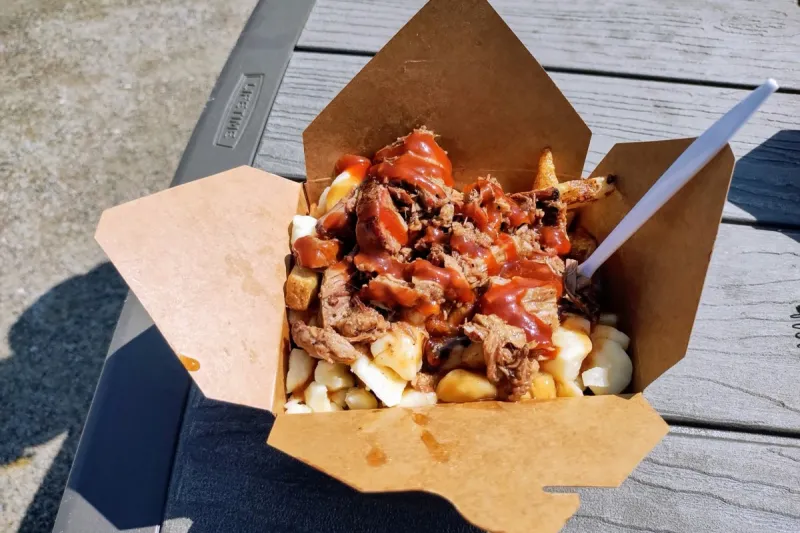
Get Ready to Dive into Deliciousness: Poutine Feast Ontario is Back!
Hey poutine lovers! Get your forks ready because the most Canadian food festival is back on the road... Read More
Umami Unlocked: Elevate Your Cooking with Natural Flavor Boosters
Learn the science behind umami and simple, natural ways to boost flavor in your cooking using everyd... Read More

Why Climate‑Resilient Ingredients Are Redefining City Menus
Discover how climate‑resilient ingredients are reshaping urban menus, offering chefs new flavors, ... Read More
Top Posts

Winter‑Ready Smart Homes: Turning Canada’s Cold Into Comfort and Savings
A deep dive into how learning thermostats, adaptive lighting, micro‑grids, and AI orchestration are reshaping Canadian winter living, delivering comfort, savi...Read More

Regenerative Roots: How Canadian Farmers Are Re‑Imagining the Land
Discover the fresh approaches Canadian farmers are adopting—from ancient soil practices to high‑tech digital twins—to create resilient, sustainable farms ...Read More

Beyond the Horizon: How Rail Journeys Redefine Sustainable Adventure
Discover the rise of rail‑based tourism that offers immersive cultural stops, eco‑friendly routes, and farm‑stay adventures, redefining sustainable travel...Read More

Why Canada’s Political Landscape Is Getting a Digital Makeover
The article examines how algorithms, open‑source drafting, and digital grassroots movements are transforming Canadian politics, highlighting new opportunities...Read More
0 Comments
Post Comment
You will need to Login or Register to comment on this post!