
When we talk about “eating healthy,” most of us default to a checklist of superfoods, macros, and calorie counts. Yet there’s a hidden variable that most nutrition guides barely touch: when the food actually lands on your plate. The time that elapses between farm, fork, and stomach can dramatically swing the nutritional profile of the same fruit, vegetable, or grain. In this deep‑dive, I’ll walk you through the science of nutrient timelines, demystify the myth of “freshness,” and give you actionable tactics to lock in maximum health benefits—no matter if you’re shopping at a farmer’s market or a big‑box grocery store.
Why Timing Matters More Than You Think
Plants are living factories that synthesize vitamins, antioxidants, and phytochemicals in response to sunlight, temperature, and stress. Once a tomato reaches peak ripeness, its lycopene content is at its zenith. Leave it on the shelf for a week, and that lycopene degrades, while the fruit continues to respire, using up sugars and producing ethylene that can accelerate further nutrient loss.
Research shows that certain nutrients—especially water‑soluble vitamins like vitamin C and many B‑vitamins—can drop by up to 50 % within 48 hours of harvest if not stored correctly. Fat‑soluble nutrients (vitamin E, K) and minerals are more stable, but even they are not immune to oxidation or leaching.
Understanding this decay curve is the first step toward turning “eating healthy” from a static list into a dynamic, time‑sensitive strategy.
The Harvest Calendar: Mapping Nutrient Peaks
Every crop follows a unique ripening window, often dictated by the local climate and variety. Below is a quick reference for common produce, highlighting when you’ll capture the highest nutrient punch.
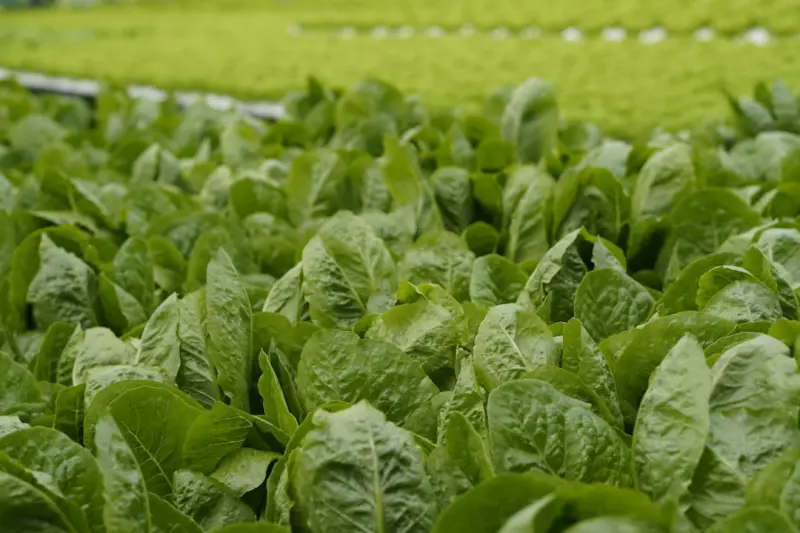
- Leafy Greens (spinach, kale, swiss chard) – Best consumed within 2–3 days of harvest. Their chlorophyll and flavonoid levels plummet quickly.
- Berries (strawberries, blueberries, raspberries) – Ideal within 24 hours. Vitamin C and anthocyanins are highly volatile.
- Root Vegetables (carrots, beets, sweet potatoes) – Can be stored for weeks in cool, dark conditions without major nutrient loss; however, prolonged storage can reduce beta‑carotene potency.
- Citrus (oranges, grapefruits) – Hold up well for 2–3 weeks, but vitamin C begins to decline after the first week.
- Stone Fruits (peaches, plums, cherries) – Peak antioxidant levels are reached 1–2 days post‑harvest when they fully soften.
Notice the pattern? The more perishable the produce, the tighter the window for optimal nutrition. This is why “farm‑to‑table” isn’t just a buzzword; it’s a science‑backed promise of higher nutrient density.
From Field to Fridge: The Storage Game
Even if you can’t buy produce on the exact day it’s harvested, clever storage can slow nutrient loss dramatically.
Cold Chain—Your Best Friend
Refrigeration slows enzymatic activity and ethylene production. Set your fridge to 0–4 °C (32–39 °F) for most vegetables. However, not all produce likes the cold; bananas, tomatoes, and avocados lose flavor and texture when chilled. Keep those at room temperature until ripe, then move them to the fridge.
Humidity Control
Leafy greens thrive in high‑humidity drawers (≈ 95 %). This reduces wilting and preserves vitamin content. Conversely, mushrooms prefer low humidity; a paper towel in the container will absorb excess moisture and keep them fresh longer.
Atmospheric Packaging
Some supermarkets use Modified Atmosphere Packaging (MAP) that balances oxygen, carbon dioxide, and nitrogen to retard oxidation. While convenient, MAP can sometimes trap ethylene, accelerating softening in climacteric fruits (like apples). If you notice rapid softening, transfer the fruit to a breathable paper bag.
Strategic Prep: Cut When You Eat
Once cut, the surface area exposed to air skyrockets nutrient oxidation. A whole carrot retains more beta‑carotene than a pre‑sliced one. If you need pre‑cut options for convenience, consider a quick blanch‑and‑freeze method: dip vegetables in boiling water for 1–2 minutes, shock in ice water, then freeze. This locks in color, flavor, and nutrients for months.
Cooking Methods that Preserve (or Boost) Nutrients
Cooking can be a double‑edged sword. Heat can degrade some nutrients while unlocking others.
- Steaming – Preserves up to 90 % of water‑soluble vitamins compared to boiling, because the food isn’t submerged.
- Sautéing – When done with a healthy fat (olive oil, avocado oil), it enhances absorption of fat‑soluble compounds like lycopene in tomatoes.
- Roasting – Concentrates flavors and can increase antioxidant activity in carrots and peppers due to caramelization.
- Microwaving – Surprisingly effective for retaining nutrients if you use minimal water and short bursts.
One tip I swear by: add a splash of acid (lemon juice or vinegar) after cooking. The acidic environment stabilizes vitamin C and improves mineral bioavailability.
Integrating Freshness into Your Meal Planning
Now that you know the science, let’s translate it into a practical weekly plan.
- Map Your Shopping Trips – Align your grocery runs with local farmer’s market days. If your market is Saturday, aim to prep salads and raw snacks for Sunday‑Monday, when greens are at peak.
- Batch Prep Smartly – Cook grains (quinoa, farro) in bulk early in the week, but keep raw veggies separate to avoid sogginess and nutrient loss.
- Freeze for Future Power – Freeze surplus berries, peaches, and herbs. When thawed, they retain most of their antioxidants.
- Use “Nutrient Timers” – For each item, set a mental countdown. For example, “Eat strawberries within 24 hours of purchase” or “Consume kale within 48 hours of opening the bag.”
- Leverage Complementary Foods – Pair vitamin‑C‑rich foods (citrus, bell peppers) with iron‑rich plant foods (lentils, spinach) to boost iron absorption, especially when you’re dealing with older, stored greens.
These steps create a rhythm that respects both your schedule and the biology of food.
The Business of Freshness: Why Supply Chains Matter
Large‑scale distributors often prioritize shelf‑life over nutrient density. That’s why you’ll see the same “perfectly shaped” produce year‑round, but it may have been harvested weeks earlier and shipped across continents.
Enter the urban microgreens movement—a perfect illustration of hyper‑local sourcing. These tiny seedlings reach harvest in 7‑14 days, delivering nutrients at their absolute peak. If you can incorporate a handful of microgreens into salads, sandwiches, or smoothies, you’re effectively “time‑traveling” back to the day of harvest.
Another avenue is community‑supported agriculture (CSA). By signing up for a seasonal box, you align your meals with the farmer’s harvest calendar, ensuring you get produce at its most nutrient‑dense phase.
Beyond the Plate: Nutrition Synergy and Timing
While “food synergy” has been explored in other posts, the concept of temporal synergy—how the timing of food intake interacts with our circadian rhythms—is still under‑discussed. Your body’s ability to absorb and metabolize nutrients fluctuates throughout the day. For instance, studies suggest that vitamin D synthesis from sunlight peaks in the early afternoon, meaning a midday meal rich in vitamin D (fatty fish, fortified dairy) aligns with your body’s natural rhythms.
Similarly, protein synthesis is most efficient after moderate exercise, so scheduling a protein‑dense meal within 2 hours post‑workout maximizes muscle repair.
Tools and Tech to Track Nutrient Freshness
Modern apps now let you scan a barcode and see the “harvest date” of produce, thanks to blockchain‑based supply chain tracking. While still niche, these tools are becoming more accessible and can empower consumers to make data‑driven decisions.
If you’re a tech‑savvy home cook, consider a smart fridge that alerts you when items approach their nutrient decay threshold, prompting you to use them in a recipe or freeze them.
Case Study: Turning Seasonal Foraging Into a Year‑Round Strategy
While the seasonal foraging article dives deep into wild edibles, the underlying principle—leveraging the freshest, most nutrient‑dense foods—applies equally to market‑bought produce. Think of your grocery store as a curated foraging ground: learn the seasonal peaks, and treat each shopping trip as a targeted hunt for the highest‑quality specimens.
Wrapping It Up: Your Freshness Blueprint
Healthy eating isn’t just about the “what”; it’s equally about the “when.” By syncing your meal planning with harvest calendars, mastering storage tricks, and selecting cooking methods that protect nutrients, you can elevate the health impact of every bite.
Remember these takeaways:
- Know your produce timeline – Use a simple cheat sheet or app to track peak windows.
- Store smart – Cold, humid, and breathable conditions where appropriate.
- Cook with intention – Steam, sauté, or roast to preserve or enhance specific nutrients.
- Plan meals around freshness – Align shopping, prep, and cooking to minimize nutrient decay.
- Embrace hyper‑local sources – Urban microgreens, CSA boxes, and farmer’s markets are your allies.
When you treat food as a living, time‑sensitive ally, you’ll notice not just better lab numbers but also more vibrant energy, clearer skin, and a deeper connection to the source of your meals. So the next time you reach for that bag of spinach, ask yourself: “When was this harvested, and how can I make the most of its peak power?” The answer will shape a healthier you.

Related Posts

Unlock Peak Performance with a Color‑First Eating Strategy
A practical guide to using the colors of nature—red, orange, blue, green—to fuel sustained energ... Read More
Colorful Bowl Culture: Reinventing Office Snacks for Energy and Focus
A fresh take on office nutrition, this article shows how colorful, whole‑food bowls can replace su... Read More
Flavor‑First Nutrition: Simple Strategies for Busy Professionals
A vibrant, flavor‑focused guide that shows busy professionals how to build nutrient‑dense meals,... Read More
Top Posts

Silent Waters: Mastering Low‑Light Fishing Across Ontario’s Lakes and Rivers
Explore Ontario’s hidden night‑time fishing spots, essential gear, and techniques that blend tradition with modern insight, all while preserving the provinc...Read More
Beyond the Plate: AR Is Redefining Dining
Augmented reality menus are turning ordinary meals into interactive stories, helping restaurants boost engagement, upsell, and differentiate in a crowded market...Read More

Mindful Journeys: Turning Cruise Ships and Coach Tours into Wellness Sanctuaries
Explore the emerging trend of wellness‑focused travel, where cruise ships and boutique coach tours combine mindfulness, nutrition, and sustainability to creat...Read More

Tech‑Savvy Anglers: How Data, Drones, and Apps Are Redefining Ontario Fishing
Ontario anglers are embracing data dashboards, drone scouting, and Bluetooth‑enabled lures to fish smarter and protect ecosystems, turning every outing into a...Read More
0 Comments
Post Comment
You will need to Login or Register to comment on this post!