
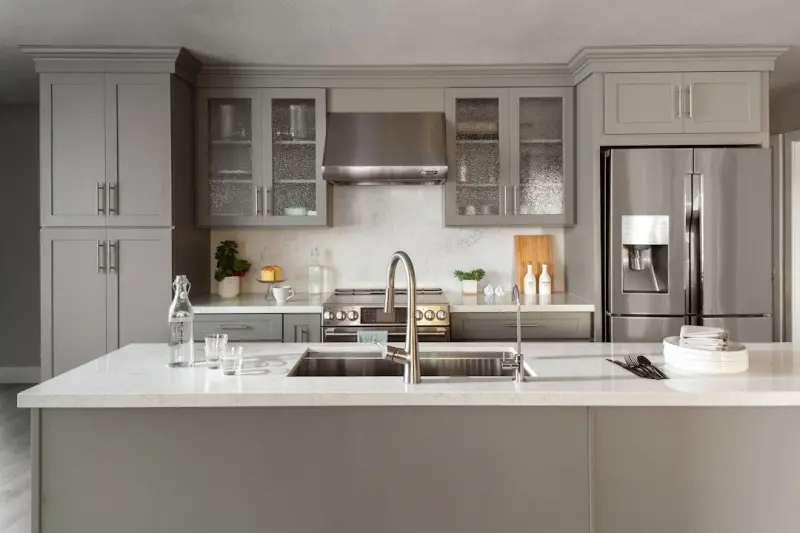
Why Pop‑Up Kitchens Are the New Mainstay
Across the cityscape, a quiet revolution is brewing in the world of dining: temporary, hyper‑local kitchens are swapping the traditional brick‑and‑mortar model for agility and surprise. Diners are no longer content with static menus; they crave experiences that feel curated for the moment, and pop‑up concepts deliver that immediacy by popping up in unexpected venues—from vacant storefronts to rooftop gardens—then disappearing before the hype wanes. This fleeting nature creates a sense of urgency, turning a simple meal into a coveted event that people schedule around like a concert, and it’s reshaping how restaurateurs think about loyalty and foot traffic.
Economic Flexibility in a Shifting Market
The financial calculus of a pop‑up kitchen is dramatically leaner than that of a permanent restaurant, allowing chefs to test concepts without the burden of long‑term leases or massive renovation costs. By leasing short‑term spaces, investing in modular equipment, and operating on a pay‑as‑you‑go staffing model, owners can allocate more budget toward high‑quality ingredients and innovative plating, which directly translates to higher perceived value for guests. This flexibility also means that when a concept clicks, the business can scale quickly—moving to a larger venue or replicating the model in multiple neighborhoods with minimal friction.
Shared Spaces: The Kitchen Coop Model
One of the most powerful enablers of the pop‑up surge is the rise of communal kitchen hubs, where multiple chefs rotate shifts in a single, fully equipped space. These cooperatives lower the barrier to entry for culinary entrepreneurs, offering access to professional-grade ovens, sous‑vide rigs, and ventilation systems that would otherwise be out of reach. In exchange, participants share maintenance costs and often collaborate on cross‑promotions, creating a vibrant ecosystem where ideas bounce off each other and diners benefit from a constantly rotating roster of talent.
Data‑Driven Menus Meet Real‑Time Cravings
Technology has become the secret sauce behind many successful pop‑ups, with chefs mining social‑media trends, reservation data, and even local weather patterns to craft menus that feel tailor‑made for the day. Real‑time ordering platforms feed back instant feedback on which dishes sell out fastest, allowing kitchens to pivot on the fly, restock ingredients, or introduce surprise specials that keep the buzz alive. This data loop not only maximizes revenue per seat but also deepens the connection between the kitchen and its audience, turning diners into co‑creators of the menu narrative.
Design That Tells a Story
Beyond food, pop‑up venues are leveraging immersive design to turn a meal into a multi‑sensory adventure, echoing the vibrancy of the entertainment landscape that now defines urban nightlife. From projection‑mapped walls that shift with each course to bespoke soundtracks that echo the chef’s inspiration, every element is curated to reinforce the story behind the plate. When the décor, lighting, and aroma align with the culinary theme, diners remember the experience long after the last bite, generating organic word‑of‑mouth that fuels the next pop‑up wave.
Zero‑Waste Practices From Kitchen to Table
Environmental stewardship is no longer a niche concern; it’s a baseline expectation for modern diners, and pop‑ups are uniquely positioned to lead the charge. By sourcing ingredients from local farms, repurposing off‑cuts into creative garnishes, and partnering with compost programs, these temporary kitchens can achieve near‑zero waste footprints. Even the beverage program reflects this ethos, as chefs craft cocktails using discarded fruit skins and herbs—a practice highlighted in the article on zero‑waste drinks that showcases how resourcefulness can taste spectacular.
Navigating Regulations Without Losing Flavor
While the pop‑up model offers freedom, it also walks a tightrope of health codes, zoning laws, and temporary licensing requirements that can stall even the most daring concept. Successful operators treat compliance as a design challenge, integrating portable sanitation stations, fire‑suppression systems, and clear signage into the aesthetic rather than viewing them as obstacles. By building relationships with local officials early on and documenting every step of the setup, chefs can streamline approvals and keep the focus on flavor rather than paperwork.
Hybrid Dining: The Virtual‑Physical Blend
Looking ahead, the next evolution will blend the tactile allure of pop‑ups with the scalability of virtual kitchens, creating a hybrid model where a physical tasting room coexists with a delivery‑only brand. This dual approach captures both the experiential market and the convenience‑driven consumer, allowing chefs to monetize the same menu across multiple channels without overextending their physical footprint. The synergy also opens doors for collaborative branding, where a pop‑up’s limited‑time menu can be paired with a subscription‑based meal kit, extending the experience into diners’ homes.
A Call to Eat Adventurously
For food lovers tired of the predictable, pop‑up kitchens offer a passport to culinary adventure, inviting you to taste ideas before they become mainstream. By embracing flexible economics, data‑driven creativity, and sustainable practices, these temporary eateries are not just filling seats—they’re redefining what it means to dine out in the modern age. So the next time you see a “Tonight Only” sign in an alley or a converted loft, consider stepping inside; you might just discover the next big flavor movement before it hits the mainstream.

Related Posts
Beyond the Plate: How Open Kitchens Are Redefining Trust in Restaurants
Open kitchens turn dining into a transparent performance, fostering trust, sustainability, and a dee... Read More
Ghost Kitchens: Redefining Restaurant Real Estate and Reach
Ghost kitchens are turning the restaurant world upside down by eliminating dining rooms, slashing ov... Read More
Designing Restaurants for Neurodiversity: A New Frontier in Hospitality
A deep dive into practical design, menu, and service strategies that make restaurants welcoming for ... Read More
Top Posts

AI-Powered Itineraries: The New Frontier of Travel Planning
AI-powered itineraries blend data and personal preferences to craft seamless, sustainable travel experiences, offering busy professionals smarter planning witho...Read More
Why a Remote‑First Mindset Is the Competitive Edge Small Businesses Need
A remote‑first mindset transforms small businesses by unlocking talent, cutting overhead, and fostering trust—learn the strategies that turn flexibility int...Read More

Why Fermented Foods Are the Unsung Heroes of Modern Wellness
Fermented foods like kefir, kimchi, and kombucha deliver probiotic power that stabilizes energy, eases stress, and enhances gut health. Learn easy ways to add t...Read More

Micro‑Moments of Delight: Rethinking B2B SaaS Marketing with Playful Personalization
A fresh look at B2B SaaS marketing: using contextual, playful micro‑moments to create genuine connections, accelerate the buyer’s journey, and turn prospect...Read More
0 Comments
Post Comment
You will need to Login or Register to comment on this post!