
The Ghost Kitchen Revolution: How Invisible Restaurants Are Redefining the Way We Eat
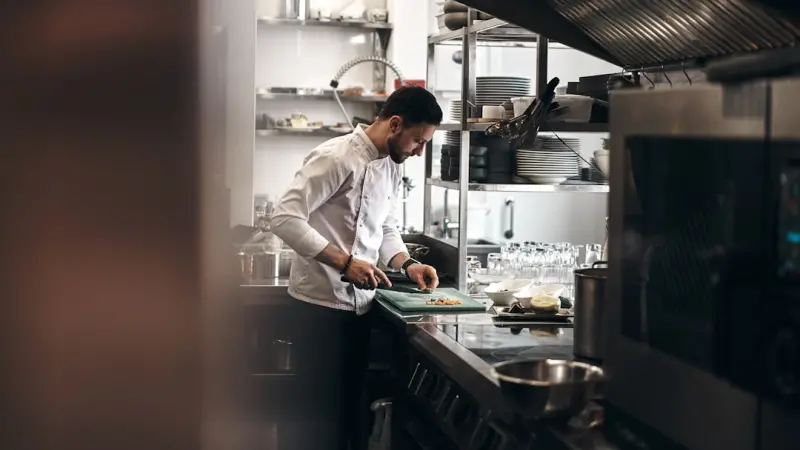
When I first heard the term “ghost kitchen,” my mind drifted to haunted eateries—dark, empty spaces where the only thing that lingers is the smell of stale pizza. The reality, however, is far less spooky and far more fascinating. Ghost kitchens are the invisible arteries of today’s food ecosystem, quietly reshaping dining habits, entrepreneurship, and even the architecture of our cities.
In the past year, the surge of delivery‑only concepts has outpaced traditional brick‑and‑mortar growth. A recent smart home hacks report highlighted that over 65% of households now consider delivery a daily necessity rather than an occasional treat. That shift isn’t just about convenience; it’s about the convergence of technology, consumer expectations, and a new kind of culinary ambition.
From Pop‑Up to Permanent: The Evolution of the Kitchen‑Only Model
Ghost kitchens didn’t appear out of thin air. They evolved from three distinct trends:
- Pop‑up experimentation: Chefs testing menus in temporary spaces, gathering data, and scaling only when demand proved sustainable.
- Delivery platform explosion: The rise of Uber Eats, DoorDash, and regional players created a marketplace hungry for new, exclusive offerings.
- Real‑estate economics: Urban rent skyrocketed, making a 3,000‑sq‑ft storefront a risky gamble for a fledgling concept.
Combine these forces, and you get a model where a single 1,200‑sq‑ft industrial space can house multiple brands, each with its own menu, branding, and target audience—all without ever serving a single diner on-site.
Why Chefs Are Flocking to the “Invisible” Space
For culinary innovators, ghost kitchens offer a sandbox with fewer constraints:
- Rapid iteration: Without a dining room to worry about, chefs can test daring flavor pairings, adjust pricing, or swap entire concepts in weeks rather than months.
- Lower overhead: No front‑of‑house staff, décor budgets, or prime‑location rent. The capital saved can be reinvested into higher‑quality ingredients or advanced kitchen equipment.
- Data‑driven menus: Integration with delivery platforms provides real‑time analytics on order volume, geographic hotspots, and customer preferences.
Imagine a chef who wants to explore fermented cactus tacos. In a traditional setting, that experimental dish might be relegated to a “specials” board, risking low sales and wasted inventory. In a ghost kitchen, the chef can launch a dedicated “Ferment & Fire” brand, track its performance, and either double down or pivot with a single click.
The Consumer Angle: What Diners Really Want
Consumers today are looking for three things that ghost kitchens uniquely deliver:
- Speed: A streamlined back‑of‑house means meals leave the kitchen faster, and delivery windows shrink dramatically.
- Variety: A single address can host a sushi bar, a vegan bakery, and a BBQ joint simultaneously—giving diners an almost infinite menu.
- Personalization: Data insights allow brands to recommend items based on past orders, dietary restrictions, and even local weather patterns.
It’s no wonder that the upcycled beverages movement has found a natural home in ghost kitchens. Brands can experiment with beverage pairings that complement their food offerings without the logistical nightmare of stocking a full bar across multiple locations.
Designing for the Invisible: Kitchen Architecture Meets Tech
Ghost kitchens aren’t just a repurposed warehouse; they’re purpose‑built ecosystems. Modern facilities integrate:
- Modular workstations: Adjustable prep stations that can be reconfigured for different cuisines within hours.
- IoT‑enabled appliances: Smart ovens, sous‑vide circulators, and blast chillers that can be monitored remotely, ensuring consistency across all brands.
- Robotic assistance: Automated fry stations and dough‑shaping machines that reduce labor variance and boost throughput.
These tech layers create a feedback loop: data collected from one brand informs the operational tweaks of another. If a ramen shop’s broth takes 12 minutes to reach optimal temperature, that metric can be used to calibrate a nearby soup vendor’s process, shaving seconds off delivery times across the board.
Health, Sustainability, and the Texture Factor
One criticism of the delivery‑only model is the perception of lower nutritional quality. However, ghost kitchens have the flexibility to prioritize health without compromising profit. By sourcing locally, reducing waste, and focusing on ingredient integrity, they can craft menus that satisfy both taste buds and wellness goals.
Take food texture—an often‑overlooked dimension of eating. A recent deep‑dive into the science of mouthfeel revealed that crunchy, creamy, and chewy textures can influence satiety and digestion. Ghost kitchens can harness this insight by designing multi‑textural dishes that keep diners satisfied while reducing portion sizes. For a deeper look at texture’s impact, see the Unlocking the Hidden Power of Food Texture article.
Economic Ripple Effects: From Entrepreneurs to Real Estate
The ripple effect of ghost kitchens extends beyond the culinary world:
- Entrepreneurial democratization: Lower entry barriers mean food‑savvy individuals can launch a brand without a massive loan or investor backing.
- Real‑estate revitalization: Vacant industrial zones, once considered eyesores, are being repurposed into bustling culinary hubs, injecting tax revenue and job opportunities into local economies.
- Supply‑chain diversification: With multiple brands operating under one roof, suppliers benefit from consolidated orders, reducing shipping costs and carbon footprints.
In cities where commercial vacancy rates exceed 15%, ghost kitchens have become a catalyst for urban renewal, turning “dead” zones into thriving food incubators.
Challenges on the Horizon
While the ghost kitchen model shines bright, it isn’t without shadows:
- Brand dilution: With so many concepts sharing a single address, standing out becomes a marketing marathon.
- Regulatory ambiguity: Zoning laws, health inspections, and labor regulations are still catching up to the new reality of delivery‑only operations.
- Quality control: Maintaining consistent food quality across multiple virtual brands requires rigorous SOPs and staff training.
Addressing these challenges will require collaboration between city planners, platform providers, and culinary entrepreneurs. The future may see dedicated “ghost kitchen districts” with shared compliance resources, ensuring safety without stifling innovation.
Looking Forward: The Next Wave of Ghost Kitchen Innovation
What’s next for the invisible restaurant?
- AI‑curated menus: Machine learning models that analyze trending ingredients, seasonal availability, and local palate preferences to suggest new dishes before they become mainstream.
- Hybrid physical‑virtual experiences: Pop‑up tasting rooms that rotate weekly, giving diners a chance to experience the brand in person while keeping the core delivery model intact.
- Hyper‑local sourcing platforms: Direct farmer‑to‑kitchen marketplaces that reduce middlemen, ensuring fresher produce and fairer prices.
When you combine data, technology, and the creative freedom of a chef’s mind, the possibilities become limitless. The ghost kitchen isn’t just a response to the pandemic; it’s an evolution of how we think about food, space, and community.
Takeaway: Embrace the Invisible, Celebrate the Flavor
If you’re a chef, an investor, or simply a curious foodie, the ghost kitchen landscape offers a playground of opportunity. The key is to stay adaptable, let data inform creativity, and remember that even the most “invisible” concept can have a palpable impact on taste buds and the bottom line.
So next time you order a vegan sushi bowl from an address you’ve never seen, remember you’re part of a culinary revolution that’s as much about the future of city design as it is about the next bite.

Related Posts
Sip Smart: How AI is Redefining Home Mixology
Megan Morris explores the rise of AI in home bartending, sharing how smart scales, voice‑activated... Read More
Zero‑Waste Kitchen Hacks That Are Changing How We Dine
Discover how fermentation, smart tech, and simple home hacks are turning kitchen scraps into culinar... Read More

Sip, Savor, Sustain: The New Wave of Zero‑Waste Cocktail Culture
A deep dive into the emerging zero‑waste cocktail movement, highlighting foraged botanicals, micro... Read More
Top Posts

Tariff Turbulence: How Trade Levies Are Reshaping SaaS Supply Chains
Tariffs are no longer a distant concern for software companies; they now influence hardware costs, supply‑chain choices, and pricing models. This article brea...Read More

The Storytelling Revolution: How Cruises and Bus Tours Are Turning Travel Into a Live Narrative
Travelers now crave immersive narratives, and cruise lines and bus operators are answering with story‑driven itineraries that blend plot, technology, and loca...Read More

Reimagining the Night: How to Craft a Next‑Gen Prom & Graduation Experience
A modern guide for schools to reinvent prom and graduation, focusing on immersive storytelling, tech integration, community partnerships, and inclusive celebrat...Read More

The Unseen Struggles of Rural Parenting: A Cry for Help
Rural parenting is a unique challenge that requires a comprehensive approach to address. Learn about the unseen struggles of rural parents and the importance of...Read More
0 Comments
Post Comment
You will need to Login or Register to comment on this post!