
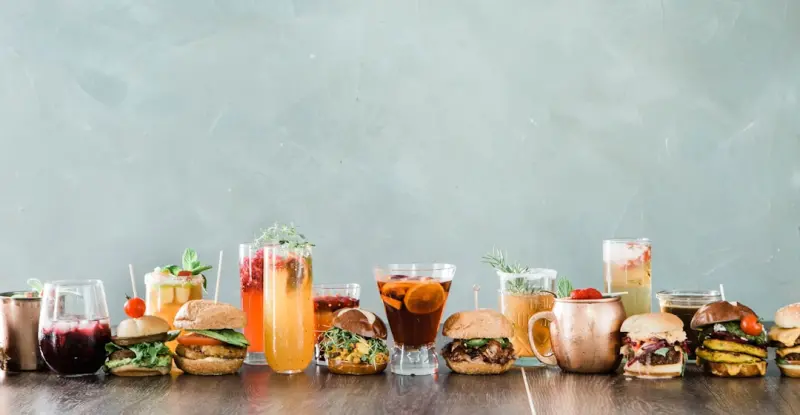
Why Umami Matters More Than Ever
Ever since I first tasted a perfectly seasoned shiitake broth that seemed to linger on my palate longer than any salt or pepper could, I’ve been on a mission to decode the mysterious “fifth taste” that chefs whisper about in back‑of‑house conversations, and that curiosity has only deepened as I watched diners describe their meals as “rich” or “satisfying” in ways that go beyond the traditional sweet‑sour‑bitter‑salty framework; this is the realm of umami, a taste that originates from naturally occurring glutamates and nucleotides and that has the uncanny ability to amplify the overall flavor profile without shouting for attention, making dishes feel both familiar and exciting at the same time. In my own kitchen experiments, I quickly realized that umami isn’t just a fleeting sensation but a structural component that can turn a simple vegetable stir‑fry into a culinary revelation, and the more I explored, the clearer it became that mastering umami is less about adding a single ingredient and more about orchestrating a symphony of taste‑building elements that interact on a molecular level. This revelation has driven me to dig into the science, the history, and the modern techniques that allow both professional chefs and home cooks to harness this powerful taste, and the journey has reshaped how I think about every spoonful I serve.
The Science Behind the Savory Sensation
At the core of umami lies the amino acid glutamate, which binds to specific receptors on our tongue—known as the mGluR4 and TAS1R1/TAS1R3 heterodimer—triggering a cascade of neural signals that the brain interprets as a deep, savory richness; this interaction is amplified when glutamate teams up with nucleotides like inosinate and guanylate, compounds commonly found in aged meats and seaweed, creating a synergistic effect that can boost perceived flavor intensity by up to 30 percent, according to recent sensory studies. What’s fascinating is that our bodies have evolved to recognize these compounds as signals of protein‑rich foods, a biological reminder of the nutritional value embedded in many traditional dishes, and modern research shows that the presence of umami can also influence satiety hormones, subtly encouraging diners to feel satisfied with smaller portions—a fact that makes umami an ally for anyone interested in mindful eating. By understanding these biochemical foundations, chefs can strategically layer umami sources throughout a menu, ensuring that each bite delivers a balanced depth without relying on excessive salt or fat, a principle that aligns perfectly with today’s health‑conscious yet flavor‑driven dining trends.
Chef‑Level Tactics for Building Umami
Seasoned chefs have long employed time‑honored methods such as slow‑roasting bones, fermenting soy, and aging cheeses to coax glutamates and nucleotides out of raw ingredients, and when these techniques are combined with modern precision tools like temperature‑controlled sous‑vide baths, the result is a concentrated umami core that can be incorporated into sauces, dressings, or even desserts for an unexpected twist; for instance, a miso‑infused caramel sauce can transform a simple vanilla ice cream into a complex, savory‑sweet experience that keeps guests guessing. To illustrate the power of fermentation in this context, I often refer readers to Fermentation at Home: Unlocking Bold Flavors in Your Kitchen, where the step‑by‑step guide shows how a few days of fermenting mushrooms or tomatoes can produce a liquid gold brine that serves as a liquid umami concentrate, perfect for deglazing pans or brightening soups. Moreover, the recent surge in “umami‑focused” pop‑up concepts—explored in The Secret Sauce Behind the Pop‑Up Kitchen Boom—demonstrates that diners are eager for menus that celebrate this taste, and chefs are responding by designing dishes where umami isn’t an afterthought but the headline act, whether it’s a seaweed‑cured salmon tartare or a mushroom‑infused butter that finishes a perfectly seared steak.
Umami in the Beverage World
While food often takes center stage in umami conversations, the beverage arena is quietly undergoing its own umami renaissance, with mixologists experimenting with mushroom bitters, kombucha bases, and even smoked tea infusions that lend a subtle savory backdrop to cocktails, allowing the sweet, sour, and bitter components to shine without being overpowered; a classic example is a gin cocktail that incorporates a dash of dried kelp tincture, creating a marine note that pairs beautifully with citrus and herbaceous botanicals, delivering a multi‑dimensional sip that feels both refreshing and grounding. To help readers visualize the range of umami‑rich ingredients suitable for drinks, here is a quick reference list:
- Dry‑shaken miso‑lime spritz
- Shiitake‑infused bourbon old fashioned
- Seaweed‑toned kombucha mocktail
- Umami‑enhanced espresso martini with a touch of soy sauce
These options showcase how umami can be harnessed to balance sweetness and acidity, turning ordinary libations into conversation‑starting experiences that linger on the palate longer than a typical fruity cocktail, and they also open doors for sustainable sourcing by utilizing by‑products that might otherwise be discarded.
Cultural Roots and Modern Twists
From the Japanese dashi broth that forms the backbone of countless noodle soups to the Italian Parmigiano‑Reggiano that adds a crystalline crunch to risottos, cultures worldwide have long recognized and celebrated umami, embedding it in everyday meals that have stood the test of time, and today’s chefs are revisiting these traditions with a contemporary lens, deconstructing classic preparations and re‑imagining them on plates that speak to a global audience hungry for authenticity fused with innovation. Below is a snapshot of iconic umami sources across different cuisines that continue to inspire modern chefs:
- Japanese: kombu, katsuobushi, miso, soy sauce
- Korean: gochujang, fermented soybean paste (doenjang), kelp broth
- Italian: aged Parmesan, cured prosciutto, sun‑dried tomatoes
- French: demi‑glace, mushrooms, anchovy‑based sauces
By studying how these ingredients are traditionally paired—such as the marriage of seaweed and bonito flakes in a simple broth or the combination of aged cheese and ripe tomatoes in a caprese—chefs can extract the underlying principles of umami layering, then apply them to new formats like a plant‑based ramen that uses mushroom “stock” instead of meat, or a vegan cheese that leverages cultured nuts to mimic the depth of dairy, thereby expanding the umami vocabulary while respecting dietary preferences.
Sustainability Through Umami Extraction
One of the most exciting developments in the culinary world is the use of food‑waste streams as umami reservoirs, turning what was once considered trash into flavor‑boosting assets; for example, vegetable trimmings can be simmered into a rich stock that captures glutamate-rich compounds, while fish bones and skins—often discarded by home cooks—can be roasted and ground into a powdered umami enhancer that adds depth to soups and sauces without the need for additional salt, aligning taste innovation with waste reduction goals. Restaurants that have embraced this approach report not only a noticeable reduction in ingredient costs but also an enhanced narrative that resonates with eco‑conscious diners, who appreciate the story of a dish that begins with a humble carrot peel and ends on a plate that bursts with savory complexity, proving that sustainability and flavor excellence are not mutually exclusive. As more chefs share their successes on social platforms, the movement is gaining momentum, encouraging culinary schools to incorporate umami extraction techniques into their curricula and prompting home cooks to reconsider their own scraps as potential flavor gold mines.
Bringing Umami Home: Kitchen Tips for Everyday Cooks
For those who don’t have access to a professional kitchen, mastering umami is still within reach, and the key lies in a few simple habits: keep a pantry of staple umami boosters like soy sauce, miso paste, dried mushrooms, and aged cheese; experiment with quick‑infusion methods such as simmering a handful of kelp or kombu in water for 10 minutes before using the liquid as a base for soups; and don’t shy away from the occasional dash of fish sauce or a sprinkle of nutritional yeast to add depth to vegan dishes, a tactic that many home cooks have found transformative. To see how a modest fermentation project can elevate everyday meals, revisit the guide in Fermentation at Home: Unlocking Bold Flavors in Your Kitchen, which walks you through creating a starter culture that can be added to marinades, dressings, or even pancake batters for an unexpected umami lift. Additionally, the concept of “open kitchens” has inspired a wave of transparent cooking at home, where visualizing the simmering broth or watching the caramelization of onions reinforces the importance of patience in flavor development, echoing the ideas shared in Beyond the Plate: How Open Kitchens Are Redefining Trust in Restaurants and reminding us that the most profound tastes often emerge from simple, deliberate processes.
Future Trends: Umami Meets Technology
Looking ahead, the intersection of food science and digital technology promises to refine umami delivery even further, with emerging tools like flavor‑mapping apps that analyze ingredient lists and suggest optimal umami pairings, and lab‑grown “umami crystals” produced through microbial fermentation that can replicate the savory profile of traditional stocks without the need for animal‑based ingredients, opening doors for vegan chefs to achieve depth previously reserved for meat‑centric kitchens; these innovations are already being tested in upscale labs where chefs collaborate with biotechnologists to design bespoke flavor modules that can be added to dishes on demand, essentially turning the kitchen into a flavor‑engineering studio. As these technologies become more accessible, we can expect a democratization of umami expertise, where even a backyard cook could use a handheld sensor to gauge the glutamate level of a broth and adjust it in real time, ensuring consistency and reducing the guesswork that often accompanies flavor development. This future not only celebrates the timeless allure of umami but also aligns with broader industry goals of sustainability, inclusivity, and culinary creativity, signaling that the fifth taste will continue to shape the dining landscape for years to come.
Takeaway: Embrace the Fifth Taste
In the end, the journey to mastering umami is less about chasing a single ingredient and more about adopting a mindset that values depth, balance, and respect for the natural chemistry of food, a philosophy that has guided my own cooking adventures from the first mushroom‑laden broth to the latest plant‑based umami powder I’ve experimented with in a seasonal risotto; by integrating time‑tested techniques, sustainable sourcing, and emerging technologies, chefs and home cooks alike can craft experiences that linger on the palate and in the memory, proving that the most satisfying meals are those that satisfy both the body and the soul. I encourage you to start small—perhaps by adding a spoonful of miso to your next soup or sprinkling a pinch of dried seaweed over a roasted vegetable dish—and watch how that subtle shift transforms the overall profile, inviting you to explore further and share your discoveries with a community that’s increasingly hungry for flavor depth without compromise. As you embark on this savory adventure, remember that every bite is an opportunity to celebrate the hidden layers of taste that make food not just nourishment, but a story worth telling.

Related Posts
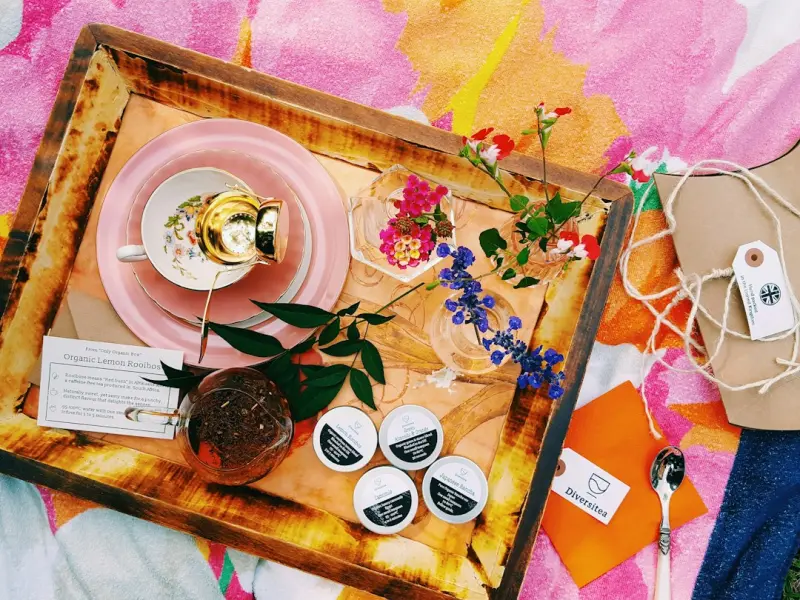
Sip, Savor, Sustain: Crafting Upcycled Drinks for a Greener Kitchen
Learn to transform everyday food scraps—citrus peels, coffee grounds, herb stems—into delicious,... Read More
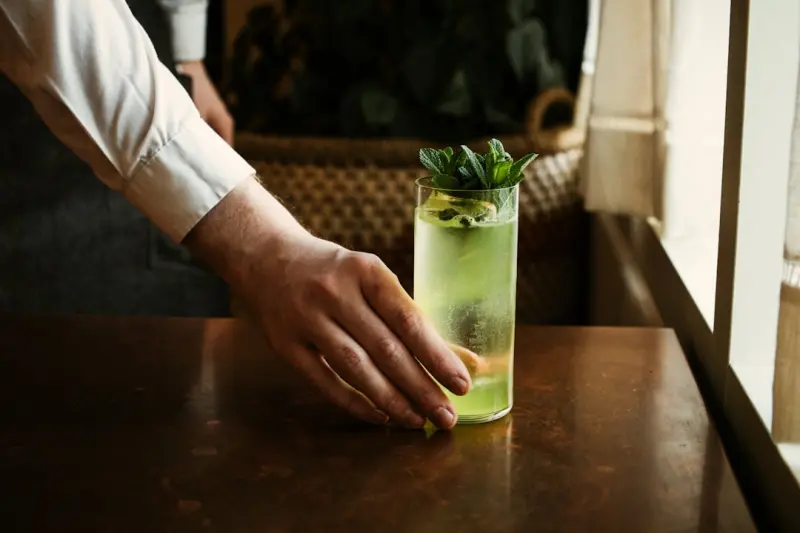
When Algorithms Meet Mixology: How AI Is Shaking Up the Cocktail Scene
AI is no longer just for tech—it's crafting the next generation of cocktails. Discover how machine... Read More
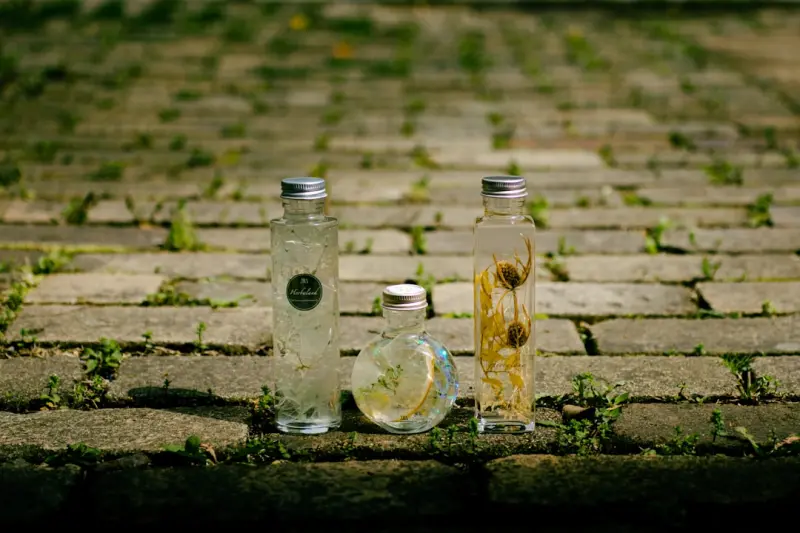
Urban Foraging & Zero‑Waste Drinks: A Fresh Take on Food & Drink
Explore how to turn city wild greens, kitchen scraps, and local herbs into delicious meals and drink... Read More
Top Posts

Ontario Night Fishing: Hooking Success After Dusk
Explore the growing trend of night fishing across Ontario with practical gear advice, proven techniques, and essential safety measures, all designed to help ang...Read More

Cost of Living as a Strategic Lever for SaaS Growth
Learn how integrating real‑time cost‑of‑living data into pricing, hiring, and product decisions can transform a challenge into a competitive advantage for...Read More

Beyond the Horizon: Digital Storytelling Takes the Wheel on Cruises and Bus Tours
Travel is no longer just a route; it’s a living story. Discover how cruises and bus tours are using digital storytelling, AI, and personalized content to turn...Read More

Virtual Care Hubs: Redefining Rural Health Access in Canada
Virtual care hubs are emerging as a lifeline for remote Canadians, combining high‑speed connectivity, on‑site health aides, and culturally aware services to...Read More
0 Comments
Post Comment
You will need to Login or Register to comment on this post!