
Introduction
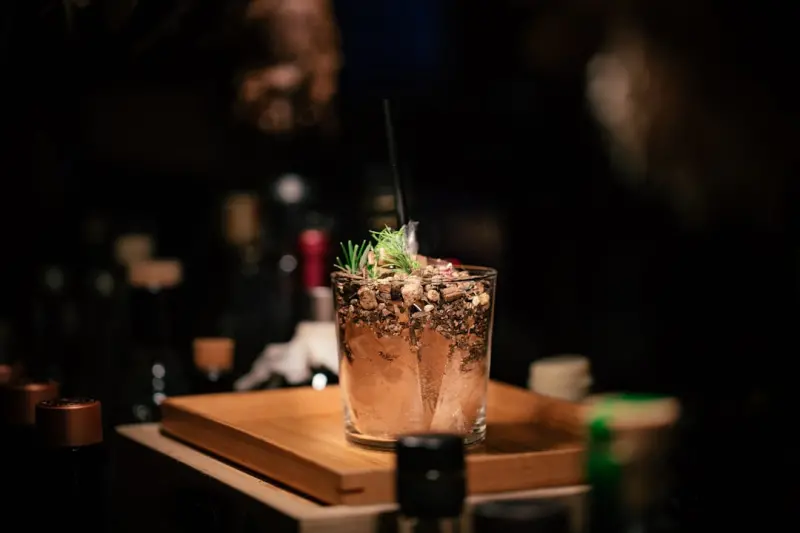
When I first stepped into a downtown speakeasy that proudly displayed a screen flashing “Tonight’s Cocktail: Algorithmically Curated,” I felt a mixture of curiosity and a little apprehension. As someone who’s spent years exploring the tactile, aromatic world of food and drink—from farmer’s markets to the back‑room of a bustling kitchen—I’ve always believed that the soul of a recipe lives in the hands that craft it. Yet, the hum of a server humming through lines of code and the sleek tablet that suggested my next sip made me realize that the cocktail scene is undergoing a quiet, yet profound, transformation.
Welcome to the era of AI‑powered mixology, where data scientists, flavor chemists, and bartenders are collaborating to create drinks that are not only delicious but also predictive, personalized, and surprisingly sustainable. This isn’t about replacing the human touch; it’s about augmenting it with insights that were previously impossible to gather at scale.
The Data Behind the Drink
At the heart of any AI system is data, and the world of beverages offers a surprisingly rich dataset. Think of every cocktail ever recorded in a recipe book, every customer rating on a review platform, the chemical composition of each spirit, and even the time of day a drink is ordered. When these data points are fed into machine‑learning models, patterns emerge that reveal, for example, why a citrus‑forward gin fizz is a summer favorite while a smoky, bitter negroni thrives in cooler months.
One fascinating application is the use of flavor‑pairing algorithms that map the molecular similarity between ingredients. By analyzing the volatile compounds in gin, vermouth, and orange peel, an AI can suggest a novel twist—perhaps a dash of fermented tea essence—that complements the existing flavor profile while adding a fresh dimension. This approach mirrors the spirit of Fermentation Fever, where home brewers experiment with microbial magic, but here the experiments are guided by statistical confidence rather than trial‑and‑error alone.
From Lab to Bar: The Workflow of an AI‑Crafted Cocktail
Creating an AI‑inspired cocktail follows a surprisingly human‑centric workflow:
- Data collection: Bars and restaurants log every order, noting variables such as customer demographics, weather, and even the music playing at the moment.
- Model training: Data scientists clean the data and train models to predict which flavor combinations will receive the highest satisfaction scores.
- Prototype generation: The algorithm outputs a set of potential recipes, complete with precise measurements and suggested garnish.
- Human testing: Skilled bartenders evaluate the prototypes, adjusting for balance, visual appeal, and practicality.
- Deployment: The final recipe is uploaded to the bar’s POS system, where it can be recommended to patrons based on real‑time context—like “You’re on a rainy evening; may I suggest a warm, spiced concoction?”
This loop repeats endlessly, ensuring that each cocktail evolves with the preferences of the community it serves.
The Ethics of Algorithmic Taste
Whenever technology intersects with culture, ethical considerations surface. In the world of AI mixology, a few questions demand attention:
- Bias in data: If the underlying data skews toward a particular demographic—say, urban millennials—will the algorithm marginalize older or rural tastes?
- Intellectual property: When an AI proposes a new recipe, who owns the rights—the programmer, the bar, or the algorithm itself?
- Transparency: Patrons may appreciate knowing that their drink was suggested by an algorithm. Should bars disclose this, or does it detract from the perceived craftsmanship?
Addressing these concerns isn’t just about legal compliance; it’s about preserving the trust that forms the foundation of any hospitality experience. Many forward‑thinking establishments are now incorporating “human‑in‑the‑loop” policies, where a senior mixologist must approve every AI‑generated drink before it reaches the menu.
Pairing Food and Drink in the AI Era
While AI is reshaping cocktails, its influence is rippling across the entire dining experience. Imagine a dinner reservation system that, upon confirming your table, suggests a three‑course menu paired with drinks that complement each dish’s flavor compounds. The system could recommend a bitter‑sweet rosemary‑infused vermouth alongside a roasted beet salad—a pairing that might not have crossed a traditional chef’s mind.
In fact, AI is already helping chefs rediscover uncommon vegetables and integrate them into menus in ways that are both nutritionally robust and palate‑pleasing. By extending the same analytical frameworks to beverages, restaurants can offer holistic pairings that feel intuitive yet are scientifically backed.
Even the snack aisle is feeling the pressure. Brands are turning to AI to design functional bites that harmonize with specific drinks—think a low‑sugar, protein‑packed cracker that pairs perfectly with a bitter espresso martini. The Snack Smarter movement, while focused on nutrition, demonstrates how data‑driven insights can elevate everyday consumption.
Zero‑Waste Cocktails: Sustainability Meets Sophistication
One of the most exciting offshoots of AI mixology is its potential to reduce waste. By analyzing inventory levels in real time, algorithms can suggest cocktail recipes that use surplus ingredients before they spoil. For example, an excess of citrus zest might trigger the creation of a “zesty spritz” that incorporates the zest into a flavored syrup, extending its shelf life.
Moreover, AI can optimize the use of by‑products—such as spent coffee grounds or herb stems—by converting them into flavor extracts or infusions. This not only cuts costs but also aligns with the growing consumer demand for environmentally conscious drinking experiences. The result is a cocktail menu that feels fresh, inventive, and responsibly sourced.
Consumer Empowerment: Personalization at Scale
Perhaps the most compelling promise of AI‑driven mixology is hyper‑personalization. Using a simple questionnaire on a bar’s app—covering flavor preferences, dietary restrictions, and even mood—customers can receive a bespoke cocktail recommendation in seconds. The algorithm cross‑references this input with the bar’s current inventory and the patron’s past orders to craft a drink that feels tailor‑made.
For regulars, the experience deepens. The system learns that a particular patron enjoys smoky notes on Fridays but prefers light, floral profiles on weekends. Over time, the algorithm anticipates these preferences, offering a “Your Friday Favorite” cocktail without the patron having to ask. This level of service transforms a simple night out into a memorable, data‑enhanced journey.
Looking Ahead: The Future of AI in Food & Drink
As the technology matures, we can expect even more integration:
- AR/VR tasting experiences: Imagine slipping on a headset that visualizes the aroma molecules of a cocktail as you sip, deepening the sensory connection.
- Blockchain provenance: Pair AI recommendations with immutable records of ingredient sourcing, ensuring transparency from farm to glass.
- Collaborative AI kitchens: Chefs and bartenders could co‑create menus in real time, with AI suggesting pairings that align with the day's themes or local events.
For now, the most immediate impact is the democratization of creativity. Whether you’re a seasoned bartender or an enthusiastic home mixologist, AI tools are becoming more accessible, offering a new playground for experimentation. The key is to treat these tools as partners—enhancing, not replacing, the intuition and artistry that have defined hospitality for centuries.
So the next time you see a cocktail menu that credits an algorithm, don’t dismiss it as a gimmick. Instead, raise your glass to the fusion of tradition and technology—a blend that, like any great drink, is all about balance.

Related Posts

Zero‑Waste Mixology: Crafting Cocktails from Kitchen Castoffs
Discover the art of zero‑waste mixology, where kitchen scraps become the foundation for inventive ... Read More
Edible Packaging: Turning Waste Into Flavorful Food Wraps
Explore the rise of edible packaging—from seaweed cups to herb‑infused wraps—and learn how it ... Read More
Unlocking the Magic of Home Fermentation: From Kitchen Scraps to Flavorful Superfoods
Explore the world of home fermentation, learn essential tools, safety tips, and creative ways to tur... Read More
Top Posts
From Deck to Desk: On‑Board Skill Workshops Are Changing Travel
Travelers now seek growth on the go. This article explores the rise of on‑board skill workshops—from sushi making to coding bootcamps—showing how they enr...Read More
Navigating the Potential Canada Post Strike: What You Need to Know
The possibility of a Canada Post strike looms large, casting a shadow over businesses and individuals who rely on the postal service for essential deliveries an...Read More

Seamless Land‑Sea Adventures: Crafting the Ultimate Hybrid Cruise‑Bus Experience
Discover the rise of hybrid cruise‑bus itineraries that blend ocean sailing with overland exploration, delivering richer, more sustainable travel experiences....Read More

The Tariff Tango: A Delicate Dance of Economic Uncertainty
The tariff tango is a delicate dance of economic uncertainty that is affecting rural America. Learn more about the impact of tariffs on rural communities and th...Read More
0 Comments
Post Comment
You will need to Login or Register to comment on this post!