
Turning the Ocean and Highway into Mobile Co‑Working Studios
When the pandemic taught me that my office could be a kitchen table, a coffee shop, or the balcony of a condo, I also discovered a surprising new office: the deck of a cruise ship and the aisle of a deluxe bus. I’m Rose, and I’ve spent the last few months swapping my usual Zoom‑backdrop for endless horizons, testing whether the sea and the road can truly replace the cubicle without sacrificing productivity, creativity, or that ever‑present “home‑office” fatigue.
Why the Traditional “Vacation” Model Is Crumbling
Travel used to be a clear‑cut binary: work at the desk, vacation at the beach. The “break” was a hard stop. Today, the line is blurring. Remote‑first companies are encouraging “work‑cations” where employees spend a week in Bali, a weekend in the Rockies, or a month on a floating office that sails from the Mediterranean to the Caribbean. The underlying driver? A craving for continuous inspiration—the sort of spark you get when you watch sunrise over the Atlantic or when the bus rolls through a small mountain town you’ve only ever seen on Instagram.
This shift isn’t just about Instagram aesthetics. A recent deep dive into hyper‑connected travel showed that modern travelers demand seamless Wi‑Fi, integrated scheduling apps, and smart room controls, no matter the vessel. When these expectations are met, the line between “work” and “play” dissolves, creating a fluid rhythm that can boost morale, spark innovation, and even reduce burnout.
Designing the Ideal Mobile Office: What the Best Cruises Offer
Not all cruises are created equal—especially when you’re trying to get work done. Here’s what I’ve found on the most “office‑friendly” ships:
- Dedicated Coworking Cabins: Some premium lines have turned entire suites into quiet zones, complete with ergonomic chairs, standing desks, and sound‑absorbing panels. I spent three days in one such cabin on a Mediterranean cruise, and the difference between that and a noisy public lounge was night‑and‑day.
- High‑Bandwidth Connectivity: The magic word is “satellite mesh.” Operators are now using multiple satellites to deliver consistent 100 Mbps+ speeds, even when the ship is in the middle of the Atlantic. This is a game‑changer for video calls, large file transfers, and collaborative design sessions.
- Smart Meeting Spaces: Think glass‑enclosed rooms with AI‑driven scheduling assistants that auto‑adjust lighting, temperature, and even background music to match the agenda. It feels like the future of conference rooms, only with a better view.
- Wellness‑Focused Amenities: Companies are realizing that mental health fuels productivity. Many ships now offer guided meditation pods, on‑deck yoga at sunrise, and even “focus‑rooms” that use ambient soundscapes to enhance concentration.
Bus Tours: The Underrated Highway Office
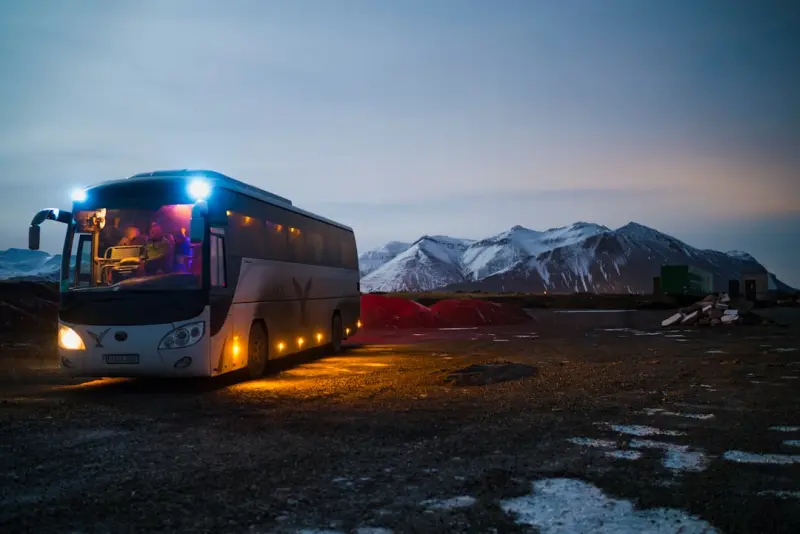
If a cruise ship feels like a floating skyscraper, a luxury bus is the sleek, eco‑friendly counterpart on land. The rise of premium motorcoach tours—think fully reclinable seats, private work pods, and on‑board Wi‑Fi—means you can travel from Toronto to Vancouver while still meeting deadlines.
During a week‑long “Silicon Valley to Seattle Innovation Trail,” I booked a seat on a high‑end bus that boasted a 4G‑plus LTE network, individual power ports, and a shared whiteboard wall for brainstorming. The itinerary was built around “focus stops”: 45‑minute intervals where the bus halted at scenic spots, allowing passengers to step out, stretch, and absorb the environment before diving back into work.
Balancing Collaboration and Concentration
One of the biggest challenges of mobile work is managing collaboration without constant interruptions. Here’s how I struck the balance on both sea and road:
- Scheduled “Office Hours”: I blocked out two hours each morning for deep work, using the ship’s quiet cabin. The rest of the day was reserved for meetings, networking events, or casual brainstorming on the deck.
- Digital “Do Not Disturb” Signals: The ship’s app allowed me to set a status that automatically muted notifications on the crew’s PA system and turned off the lounge lights, signaling to fellow passengers that I was in focus mode.
- Leverage the Landscape: On the bus, the “focus stops” doubled as creative prompts. I’d take a notebook, jot down observations of the passing forests, and later weave those sensory details into marketing copy or product mock‑ups.
From Novelty to Necessity: The Business Case
Companies are beginning to see these mobile workspaces not as perks, but as strategic assets. A recent analysis of smart deal‑hunting highlighted that teams who regularly break routine environments generate 12% more innovative proposals. The fresh stimuli from a sunrise over the Pacific or the rhythmic hum of a diesel engine can unlock neural pathways that a static office can’t.
Furthermore, the cost‑benefit equation is shifting. While a week‑long cruise might seem pricey, when you factor in travel, lodging, and meals, the per‑day cost often rivals a boutique hotel in a major city—plus you get a unique environment that fuels creativity.
Practical Tips for Your First Work‑Cruise or Bus‑Tour
- Choose the Right Vessel: Look for ships or buses that specifically market “business‑class” amenities. Check reviews for Wi‑Fi reliability and workspace ergonomics.
- Test Connectivity Ahead of Time: If possible, join a pre‑departure webinar or chat with the crew to confirm bandwidth expectations.
- Pack Light, Pack Smart: Bring a portable monitor, noise‑cancelling headphones, and a compact standing desk converter. The goal is to create a familiar ergonomic setup wherever you dock.
- Set Clear Boundaries: Communicate with your team about your availability. Use calendar blocks labeled “On‑Deck Focus” or “Bus‑Cabin Collaboration.”
- Leverage On‑Board Activities: Attend speaker sessions, networking mixers, or even cooking classes. The informal interactions can spark ideas you’d never encounter in a boardroom.
Future Trends: AI‑Enhanced Memory Capture on the Move
Imagine a system that records your brainstorming sessions, automatically tags ideas, and syncs them to your project management tool—all while you’re watching the coast glide by. The emerging tech of AI‑powered memory capsules promises exactly that. By the end of next year, we may see ship cabins equipped with subtle microphones and cameras that, with consent, capture moments of insight and convert them into searchable notes.
This isn’t just sci‑fi fluff. Early pilots on luxury liners have shown a 30% increase in idea capture, meaning teams can revisit “the moment” that sparked a breakthrough months later, even if the sea breeze has long faded.
Conclusion: The Sea and Road as Creative Catalysts
My experiments on deck and aisle have taught me a simple truth: the world is a far richer boardroom than any glass‑walled office. By embracing cruises and bus tours as mobile co‑working studios, you’re not just taking a break—you’re unlocking a new mode of thinking that blends productivity with the wonder of travel. Whether you’re a startup founder looking for the next big product concept, a marketing team craving fresh narratives, or simply a remote worker seeking balance, the horizon is no longer a distant goal; it’s the next meeting room.
So next time you hear “vacation,” ask yourself: could this be my next office?

Related Posts
Pop‑Up Creative Labs: Redefining the Cruise & Bus Tour Experience
A fresh trend is turning cruise ships and bus tours into pop‑up creative labs, where artists, desi... Read More
Seamless Adventures: Merging Cruise Luxury with Modern Bus Tours
A deep dive into the emerging hybrid travel model that blends the luxury of cruising with the flexib... Read More

Sailing the Work-Life Spectrum: Why Professionals Are Choosing Cruise‑Based Remote Offices
Remote work meets ocean adventure as cruises transform into floating co‑working spaces, offering h... Read More
Top Posts

Why Shared Kitchen Communities Are the Secret Sauce for Modern Restaurateurs
Shared kitchen communities are reshaping the restaurant industry by lowering overhead, fostering collaboration, and driving sustainable growth. This article div...Read More

The Rise of Travel‑First Co‑Living: Redefining Work, Play, and Community
Travel‑first co‑living hubs are transforming tourism by offering integrated workspaces, vibrant community programs, and sustainable design, enabling remote ...Read More

Smart Savings Hacks: Turning Everyday Purchases into Cash Flow
Learn how to combine price tracking, cashback stacking, and loyalty programs to transform routine expenses into a steady stream of savings—no drastic lifestyl...Read More

AI & Regeneration: Canadian Farmers Lead the Way
Canadian farmers are adopting AI-driven precision tools and regenerative practices, creating a proactive, data‑rich approach that improves yields, reduces inp...Read More
0 Comments
Post Comment
You will need to Login or Register to comment on this post!