
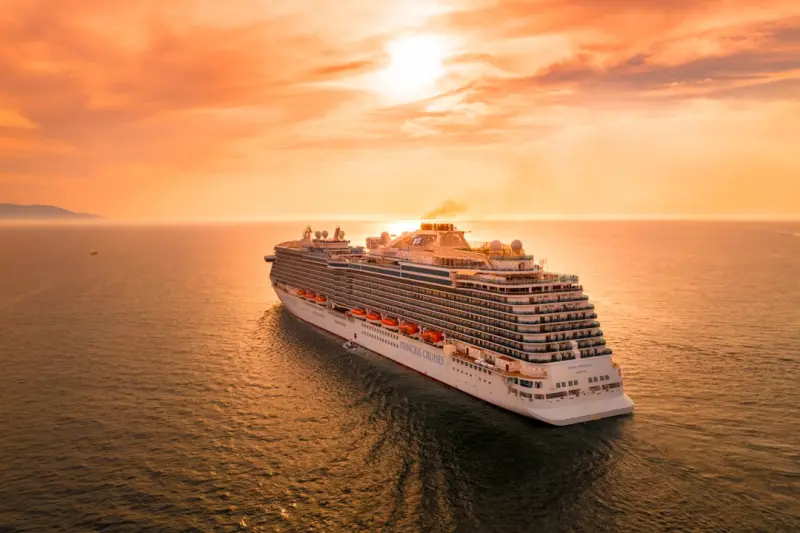
Why Pop‑Up Creative Labs on Cruise Ships and Bus Routes Are the Next Big Travel Trend
When I first boarded a sleek riverbus for a weekend art‑retreat, I expected the usual itinerary: a guided city walk, a few lectures, and a group dinner with a view of the skyline. What I got instead was a bustling, temporary studio set up in the lounge, a lineup of live‑coding workshops, and a surprise mural unveiled on the side of the vessel as we docked. That experience didn’t just change my perception of the trip—it rewrote the way I think about travel itself.
Over the past year, a quiet but explosive movement has been taking shape across the cruise and bus‑tour industry: pop‑up creative labs. These are short‑term, hyper‑focused spaces where artists, designers, developers, and storytellers converge to create, collaborate, and showcase work—all while the vehicle itself becomes a moving exhibition venue. Think of a cruise ship’s grand ballroom transformed into a hackathon arena, or a scenic coach turned into a rolling gallery for emerging photographers.
In this piece, I’ll take you behind the curtain of these itinerant labs, explore why they’re resonating with a new generation of travelers, and share practical tips for both organizers and participants who want to jump on board.
The Spark: From Traditional Tours to Experiential Platforms
Traditional cruise and bus tours have always marketed themselves on the promise of “seeing more” and “relaxing in comfort.” That formula worked great when the primary traveler persona was the leisure seeker looking for a hassle‑free vacation. Today, however, the traveler’s identity is fragmented:
- The Creator—someone who wants to produce, not just consume.
- The Connector—a professional eager to expand a network of like‑minded peers.
- The Storyteller—a social‑media‑savvy individual who wants to document a unique narrative.
Each of these personas craves immersion that goes beyond passive sightseeing. Pop‑up labs hit the sweet spot by turning the vessel itself into a catalyst for active participation.
How It Works: From Concept to On‑Board Execution
Launching a pop‑up lab requires a partnership between three key players: the travel operator, the creative community, and the sponsors (often tech or arts brands). The process typically follows these steps:
- Theme Selection—Operators choose a timely theme—e.g., “Sustainable Design,” “AI‑Generated Art,” or “Indie Music Production.” The theme guides the content of workshops, talks, and installations.
- Curator Collaboration—A well‑known curator or community leader is invited to design the program, secure guest speakers, and promote the event within their network.
- Space Transformation—Common areas such as lounges, decks, or even dining rooms are retrofitted with modular furniture, high‑speed Wi‑Fi, and tech gear (VR headsets, 3‑D printers, or sound‑proof pods).
- Programming Schedule—Unlike a traditional cruise agenda, the schedule is fluid, with “open‑studio” blocks that let participants dive into personal projects alongside collaborative sessions.
- Document & Share—Every day is streamed live on social platforms, with a dedicated hashtag that aggregates the day’s outcomes—from a prototype drone to a mural sketch.
The result is a self‑sustaining ecosystem that feeds curiosity, fosters networking, and produces tangible outcomes—be it a product prototype, a finished artwork, or a new partnership.
Why Creators Are Choosing the Sea (And the Highway) Over Static Venues
There are three primary advantages that set mobile labs apart from conventional conferences or co‑working retreats:
1. Changing Scenery Fuels Inspiration
There’s something magical about brainstorming while the horizon shifts beneath you. The rhythmic sway of a ship or the rolling landscape visible through a coach’s window provides a continuous low‑level stimulus that keeps ideas fresh. A study I read in the Sensory‑First Journeys series highlighted how dynamic environments boost divergent thinking—a principle that pop‑up labs capitalize on daily.
2. Built‑In Community of Peers
Because the audience is confined to a single vessel, participants share meals, evenings, and even sunrise yoga sessions, which accelerates bond‑building. Those relationships often extend beyond the trip, spawning collaborations that continue in the real world. In fact, many attendees report that the friendships forged on a two‑day bus‑tour lab are deeper than those formed at week‑long static retreats.
3. Immediate Audience for Prototyping
Instead of presenting a finished product to a distant crowd, creators can showcase ideas to a diverse, real‑time audience that includes tourists, staff, and local partners at each port. Instant feedback loops lead to faster iteration and, sometimes, on‑the‑spot funding. I remember a small robotics start‑up that debuted a prototype on a Caribbean cruise; within a few ports, a maritime logistics firm offered a pilot contract.
Success Stories: Labs That Set the Standard
Below are three standout examples that illustrate the breadth of what’s possible:
Oceanic Code‑Canvas (Mediterranean Cruise)
A three‑day hackathon sailed from Barcelona to Marseille, inviting software engineers to build ocean‑data visualizations. The final projects were displayed on the ship’s atrium LED walls, turning raw marine sensor data into immersive art. The event attracted a sponsorship from a leading satellite‑imagery firm, which now supplies live feeds for future voyages.
Road‑Rewind Vinyl Sessions (Scenic Railway Bus Tour)
On a week‑long “heritage music” bus tour across Ontario, a pop‑up studio equipped with vintage turntables allowed musicians to record and press limited‑edition vinyls at each stop. Fans could purchase the “city‑specific” records directly from the bus, creating a collectible series that sold out in days. The concept sparked a broader movement where local artisans collaborate with traveling musicians.
Eco‑Design Lab (Alaskan Glacial Cruise)
This lab partnered with a sustainable fashion label to co‑create a line of zero‑waste garments inspired by the icefields. Participants harvested natural fibers onboard, designed patterns during onboard workshops, and presented a runway show on the deck under the midnight sun. The resulting capsule collection received press from several eco‑fashion magazines, proving that a moving platform can be a runway.
Key Takeaways for Organizers
If you’re a cruise line, a charter bus operator, or a tour agency looking to dive into the pop‑up lab trend, keep these practical considerations in mind:
- Start Small. Pilot a single‑day “Creative Day” before committing to a full‑week program.
- Leverage Partnerships. Collaborate with art schools, tech incubators, or corporate sponsors who can provide equipment, speakers, and funding.
- Prioritize Connectivity. High‑bandwidth internet is non‑negotiable for real‑time collaboration and streaming.
- Design for Flexibility. Modular furniture and multi‑purpose spaces allow quick transitions between workshops, showcases, and social gatherings.
- Capture the Moment. Hire a dedicated videographer or set up a live‑stream hub so participants can document outcomes and promote future labs.
Tips for Participants: Making the Most of a Mobile Lab
As a creator, you’ll want to extract maximum value from the limited time you have on a moving vessel. Here are my top suggestions, honed from attending three different labs across continents:
- Pack Light, Pack Smart. Bring only the essentials—laptop, a portable sketchbook, a universal charger, and any specialized tools you can’t do without.
- Pre‑Define a Mini‑Goal. Arrive with a clear, achievable objective (e.g., a pitch deck, a prototype sketch) that you can refine during the trip.
- Engage in “Open‑Studio” Hours. Use unstructured time to collaborate spontaneously—this is often where the best ideas surface.
- Network with Intent. Exchange contact info, but also schedule a 15‑minute virtual coffee after the trip to keep momentum alive.
- Document Everything. Take daily snapshots, record short video clips, and write a one‑sentence reflection each evening. These artifacts become the building blocks of your post‑trip portfolio.
Future Horizons: Where Pop‑Up Labs Might Take Us
Looking ahead, I see three emerging trajectories that could shape the next decade of creative travel:
AI‑Assisted Co‑Creation
Imagine a ship where AI algorithms analyze participants’ sketches in real time, offering suggestions for color palettes or structural integrity. Some early pilots are already testing generative‑AI tools that feed directly into design software on board.
Cross‑Cultural Fusion Projects
When a cruise docks in a culturally rich port, local artisans could join the lab for a day, blending their techniques with the visitors’ expertise. This would produce authentic, hybrid works that carry the signature of both locales—a true celebration of global collaboration.
Micro‑Incubators for Social Impact
Design labs that focus on solving community challenges—like building low‑cost water purification prototypes for a coastal town—could become a catalyst for sustainable development, aligning travel with purpose‑driven entrepreneurship.
Wrapping Up: A Journey Worth Taking
Pop‑up creative labs on cruise ships and bus routes are more than a fleeting fad; they represent a fundamental shift in how we think about the intersection of travel, work, and imagination. By turning vessels into moving canvases and incubators, the industry invites a new breed of traveler—one who seeks to leave a mark, not just a footprint.
If you’ve ever dreamed of sketching a sunrise on the deck while a live‑coded light show reacts to your line strokes, or of launching a start‑up prototype with a sea‑breeze as your background hum, the next cruise or bus tour you book might just be the launchpad you need. Keep an eye on itineraries that promise more than sightseeing—look for words like “creative lab,” “innovation hub,” or “artistic immersion.” The future of travel is arriving, and it’s coming aboard.

Related Posts
Charting New Waters: Boutique River Cruises Meet Curated Bus Journeys for Deep‑Dive Travel
A fresh look at combining boutique river cruises with thoughtfully designed bus tours reveals a new ... Read More
AI Personalization Transforming Cruises & Bus Tours
AI‑powered personalization is turning static cruise packages and bus tours into dynamic, data‑dr... Read More
Chart Your Own Story: Blending Cruise Luxury with Bus Adventure for the Curious Traveler
Explore the art of merging cruise elegance with bus‑tour adventure, creating a story‑driven jour... Read More
Top Posts

Best Lavender Fields in Ontario
When summer rolls around, Ontario transforms into a floral wonderland, and nothing epitomizes this seasonal beauty quite like lavender fields. The enchanting si...Read More
Ferment Your Way to a Stronger Gut: A DIY Guide for Busy Professionals
Fermentation offers a simple, science‑backed method to add probiotics, flavor, and longevity to everyday meals. This guide walks busy professionals through qu...Read More

Regenerative Travel: Turning Vacation into Restoration
Explore the concept of regenerative travel, a shift from sustainable tourism that actively restores environments and empowers local communities. Learn practical...Read More
The Rise of Micro‑Adventure Travel: How Small Escapes Are Redefining Exploration
Micro‑adventures—short, local, low‑cost escapes—are transforming travel by offering authentic, sustainable experiences that fit busy lives. Learn how to...Read More
0 Comments
Post Comment
You will need to Login or Register to comment on this post!