
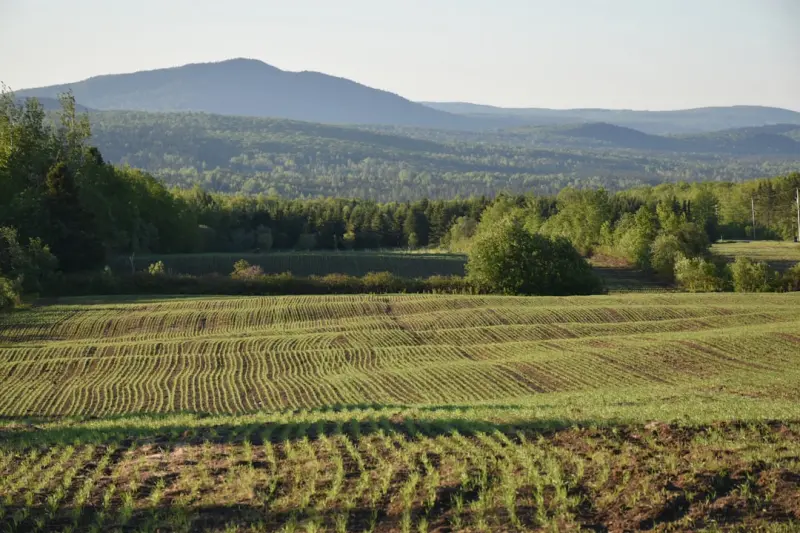
Re‑Imagining the Farmstead: Community‑First Strategies for Canadian Growers
When I first stepped onto my grandfather’s wheat field in the Prairies, the horizon seemed endless and the rhythm of the land was simple: plant, tend, harvest, and repeat. Today, the same soil supports a generation of farmers who are asked to do far more than grow crops. They must navigate climate volatility, shifting consumer expectations, and a rural economy that is evolving at breakneck speed. Yet amid those pressures, a quiet transformation is taking place—one that puts community at the center of agricultural decision‑making.
In this piece I’ll share three interconnected strategies that are helping Canadian farmers build resilience, deepen local ties, and create new pathways for sustainable growth. These approaches go beyond the conventional focus on yield or technology; they are about storytelling, collaboration, and re‑thinking ownership of the food that feeds us.
1. Turning the Farm Into a Community Hub
For decades the farm was a private, production‑focused enterprise. Today, an increasing number of growers are opening their gates to neighbours, schools, and local businesses. The goal isn’t tourism in the traditional sense—think “farm‑stay” retreats or “regenerative tourism”—but rather to embed the farm within the daily life of the surrounding community.
Learning circles and pop‑up workshops have become a staple on many Ontario and Atlantic farms. A dairy producer might host a “cheese‑making 101” session, while a grain farmer could invite a local chef to demonstrate how to turn freshly milled flour into artisanal bread. These events serve dual purposes: they educate consumers about the origins of their food and they generate supplemental income streams that are less dependent on commodity price fluctuations.
Another emerging model is the farm‑based coworking space. Rural entrepreneurs, from tech start‑ups to artisanal craft makers, are renting modest office pods on the property. The arrangement provides them with affordable rent and high‑speed internet (often powered by on‑site solar), while farmers gain an additional revenue line and fresh perspectives on problem‑solving. It’s a win‑win that blurs the line between agrarian and knowledge economies.
To illustrate how these community‑centric ideas complement more data‑focused innovations, see data‑driven farming practices that can now be shared in real time with workshop participants, turning abstract analytics into tangible stories.
2. Collaborative Marketing: From Solo Branding to Shared Narratives
One of the biggest hurdles for small‑scale growers is market visibility. A single farm can barely afford a full‑time marketer, let alone a sophisticated branding campaign. The answer, surprisingly, lies in collective storytelling.
Farmers across the Okanagan, for example, have formed a “regional flavor consortium.” Instead of each grower promoting their own apples, the group markets a blended “Okanagan Orchard Blend” that showcases the subtle differences in taste, texture, and terroir among participating farms. By pooling resources for packaging, social media advertising, and distribution, they achieve economies of scale that would be impossible individually.
This cooperative model extends to digital platforms as well. A shared e‑commerce site can host the produce of dozens of farms, offering a single checkout experience for consumers seeking a curated selection of local goods. The site’s blog becomes a storytelling hub where each farmer contributes guest posts, recipes, and video tours. The result is a richer narrative tapestry that resonates with shoppers looking for authenticity.
Such collaborations echo the broader open‑data movement, where transparency and shared resources empower communities to make more informed choices. By treating marketing as a public good, farmers can collectively elevate the perception of Canadian agriculture on the national and international stage.
3. Financial Innovation: Community‑Backed Funding Models
Traditional bank loans remain elusive for many new or mid‑size farms, especially those experimenting with niche crops or regenerative practices. In response, Canadian growers are turning to community‑based financing mechanisms that keep capital local and align investor interests with farm stewardship.
Community share offerings have gained traction in the Maritimes. Local residents purchase equity shares in a farm, receiving a modest dividend and, more importantly, a seat at the decision‑making table through annual town‑hall meetings. This model not only raises capital but also deepens the emotional bond between farmer and consumer.
Another approach is the “crop‑forward contract” platform, where restaurants and grocery retailers pre‑pay for a season’s harvest at a fixed price. This reduces the farmer’s exposure to market volatility and guarantees the buyer a supply of fresh, locally sourced produce. The contracts are often structured with sustainability clauses—such as reduced pesticide use—creating incentives that align with broader environmental goals.
These financing pathways are complemented by government‑backed programs that reward collaborative ventures. For instance, the “Rural Innovation Fund” offers matching grants for projects that demonstrate community impact, such as building a shared processing facility or launching a regional branding initiative.
4. Storytelling as a Strategic Asset
Beyond workshops and shared marketing, the most powerful tool a farmer possesses is the story of their land. Consumers increasingly demand a narrative that connects them to the source of their food, and a well‑crafted story can command premium pricing.
Consider the case of a family‑run blueberry farm in British Columbia that traces its vines back to a First Nations seed exchange in the 1960s. By weaving that heritage into product labels, social media posts, and in‑store signage, the farm differentiates itself from generic berry producers. The story becomes a “brand promise”—a guarantee of stewardship, tradition, and quality.
Effective storytelling also embraces transparency about challenges. When a farm openly shares its struggles with erratic weather patterns, it invites empathy and support from the community. This authenticity can lead to crowdfunding successes, as people are more willing to contribute when they feel part of the journey.
5. The Ripple Effect: Strengthening Rural Resilience
When farms adopt community‑first strategies, the benefits ripple outward:
- Economic diversification—New income streams reduce reliance on commodity markets, stabilizing family finances.
- Social cohesion—Shared events and collaborative projects foster trust among residents, mitigating rural isolation.
- Environmental stewardship—Collective marketing often highlights sustainable practices, encouraging broader adoption of climate‑smart techniques.
- Talent retention—Young people see viable, innovative career paths in agriculture, counteracting the out‑migration trend.
These outcomes echo the broader conversation about how technology and open data are reshaping civic engagement, but they are rooted in the very soil that feeds our nation.
Putting It All Together: A Blueprint for the Next Generation
To summarize, here’s a practical checklist for farmers looking to embed community resilience into their operations:
- Identify local partners—schools, chefs, co‑workers, and nearby producers.
- Design low‑cost, high‑impact events—workshops, farm‑to‑table dinners, or pop‑up markets.
- Develop a shared brand narrative—focus on regional terroir, heritage, and sustainability.
- Explore community financing—share offerings, forward contracts, or cooperative grants.
- Leverage storytelling platforms—social media, blogs, and on‑site signage to convey your farm’s journey.
- Measure impact—track financial metrics, community participation, and environmental outcomes to refine your approach.
By following this roadmap, Canadian growers can transform their farms from isolated production sites into vibrant community anchors—places where food, culture, and economic opportunity intersect.
In the end, the most resilient farms will be those that remember why they started: not just to harvest grain, but to nurture the people and places that surround them. The fields may be the backdrop, but the community is the true harvest.

Related Posts
How Canadian Farmers Are Turning Climate Challenges into Growth Opportunities
Canadian farmers are embracing regenerative methods, carbon farming, and digital tools to turn clima... Read More

Beyond the Harvest: Nurturing Mental Health in Canadian Farming
A deep dive into the mental‑health challenges of Canadian farmers, revealing how community network... Read More
Harvesting Collaboration: How Canadian Farmers Are Building a Shared Future on the Land
From community equipment hubs to data‑driven marketplaces, Canadian farmers are redefining indepen... Read More
Top Posts

The Tariff Tango: How Trade Policies Are Affecting Canadian Farmers
Canadian farmers are struggling due to tariffs imposed on their products. Learn how trade policies are impacting the industry and what can be done to support fa...Read More

Beyond the Glitter: Sustainable, Tech‑Smart Ways to Own Your Prom & Graduation Night
A fresh take on prom and graduation planning that blends sustainable fashion, smart budgeting, and community‑focused tech tools, turning the night into a last...Read More

Work‑From‑Deck: Turning Cruises and Bus Tours into Mobile Offices
Remote work meets travel as cruise ships and long‑haul buses redesign cabins and seats into ergonomic workspaces, offering high‑speed internet, wellness zon...Read More

Revenue Operations: The Hidden Engine Driving Sustainable Growth
Revenue Operations (RevOps) unifies sales, marketing, customer success, and finance into a single growth engine. Learn how data hygiene, automation, and crossâ€...Read More
0 Comments
Post Comment
You will need to Login or Register to comment on this post!