
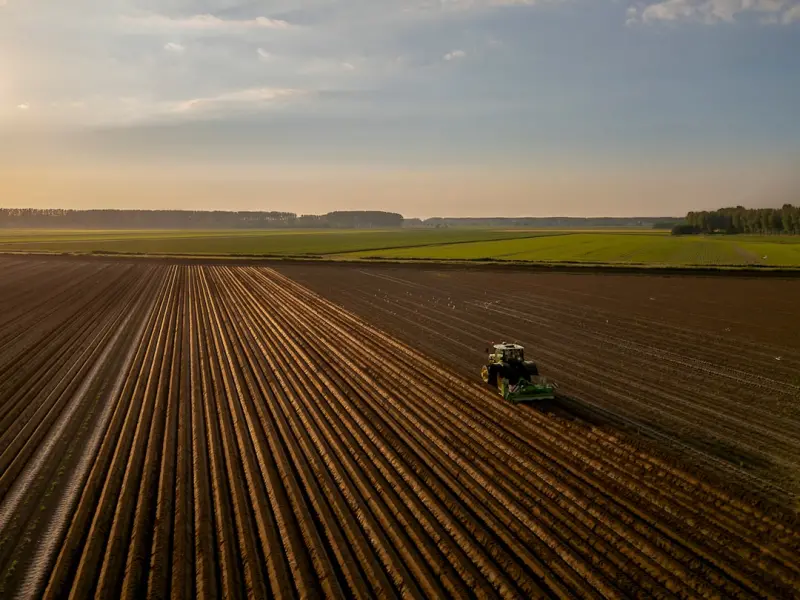
Harvesting Collaboration: How Canadian Farmers Are Building a Shared Future on the Land
When I first stepped onto my grandfather’s wheat field in the Okanagan, the horizon stretched out in a single, unbroken line of gold. The only “technology” we had was a weather‑ed metal tractor and a radio that crackled with the morning news. Today, that same field hums with data streams, solar panels, and a network of neighbors who swap tools, insights, and even market routes. I’m Jane Meldone, a third‑generation farmer who has watched the prairie evolve from solitary family plots to a collaborative ecosystem that thrives on openness and shared purpose.
The Old Way Is Not Dead, It’s Evolving
For decades, the image of the lone farmer battling the elements persisted in our cultural imagination. That narrative, while romantic, ignored the reality that every seed sown is already part of a larger conversation: the soil knows the crops that came before, the wind carries pollen across county lines, and the market price of canola is set in Toronto before the first furrow is turned.
Our generation is re‑imagining what “independence” means. It no longer means isolation; it means having the freedom to choose the best resources, whether that’s a high‑resolution satellite image of nitrogen levels or a neighbor’s combine that’s just finished a harvest. By embracing collaboration, we keep the family farm spirit alive while tapping into the collective strength of our province.
Data as a Shared Commons, Not a Proprietary Weapon
In the past, a farmer’s yield data was a guarded secret—something you might only share with a trusted agronomist. Today, platforms are emerging that treat farm data as a commons, allowing producers to contribute anonymized information in exchange for region‑wide insights. Imagine a dashboard that tells you, “Your soil’s phosphorus is 15% lower than the average in your watershed.” That knowledge isn’t just useful for you; it helps the entire agricultural zone adjust fertilizer practices, reducing runoff into the Fraser River.
These communal data pools also enable us to forecast market demand with unprecedented precision. By aggregating planting intentions across the Prairies, we can anticipate supply gluts or shortages weeks before they materialize, allowing individual farms to pivot—perhaps swapping a portion of soy for a high‑value specialty grain that’s trending in the culinary scene.
Energy‑Efficient Farming Homes: Lessons from the Residential Sector
One surprising source of inspiration has come from the way Canadian homes are becoming greener. The push for net‑zero housing has accelerated the adoption of solar roofs, high‑R‑value insulation, and smart energy management systems. Farms, with their expansive rooftops and high energy consumption, are perfectly positioned to borrow these innovations.
By installing photovoltaic arrays on barns and grain silos, we not only slash electricity bills but also generate surplus power that can be fed back into the grid. Coupled with energy‑efficient farming homes, these systems can be monitored through a single app, giving us real‑time visibility into consumption patterns across the entire operation—from the greenhouse to the milking parlour.
Beyond cost savings, the environmental benefits are tangible. Reduced reliance on diesel generators lowers greenhouse gas emissions, and the excess energy can be packaged into community micro‑grids, supporting nearby rural households and even local schools. It’s a win‑win that blurs the line between farm and community.
Community Equipment Hubs: A Modern Take on the Tool Shed
One of the biggest barriers to modernizing farm equipment is capital. A state‑of‑the‑art drone for crop scouting or a precision planter can cost tens of thousands of dollars—an outlay many small‑scale producers can’t justify on a single season’s budget.
Enter the concept of shared equipment libraries. Inspired by the growing popularity of neighborhood tool libraries, we have begun to create community equipment hubs that operate on a subscription model. A farmer can reserve a drone for a week, a high‑tech seeder for a month, or even a small‑scale anaerobic digester for a trial run.
The benefits ripple outward. First, the upfront cost is spread across many users, making advanced technology accessible to the average producer. Second, equipment utilization rates skyrocket—rather than sitting idle for months, a combine might be used by three different farms throughout the harvest, each paying a fraction of the purchase price. Finally, these hubs foster knowledge exchange: when you pick up a piece of machinery, you also gain insight from the hub’s staff and fellow members about best practices, maintenance tricks, and data interpretation.
From Field to Fork: Direct Digital Marketplaces
Historically, farm products traveled a long, opaque chain before reaching the dinner plate: from farmer to grain elevator, to processor, to distributor, and finally to retailer. Each link added cost and diluted the story of the food’s origin.
Digital marketplaces are now cutting those intermediaries out, allowing producers to list their harvest directly to chefs, retailers, and even consumers. These platforms are more than just e‑commerce sites; they embed traceability, seasonal calendars, and sustainability metrics into each listing. A farmer can showcase that their carrots were grown using cover crops that sequestered carbon, appealing to restaurants that market “farm‑to‑table” narratives.
By joining such a marketplace, we not only secure better margins but also retain control over our brand story. It’s a powerful lever for small farms seeking to differentiate themselves in a crowded market.
Building Resilience Through Diversification
Climate variability has taught us that reliance on a single cash crop is a gamble. While canola remains a staple, many farms are exploring diversified models—integrating legumes, perennial grains, and even low‑intensity livestock. This approach reduces soil depletion, spreads risk, and opens new revenue streams.
One example is the integration of honeybees for pollination services. Not only do the bees improve yields for fruit and vegetable growers, but the honey itself can be sold at local farmers’ markets, adding a premium product to the farm’s portfolio. Another avenue is agroforestry: planting rows of native trees alongside crops creates windbreaks, improves biodiversity, and eventually yields timber or maple syrup.
Policy Support and Advocacy: Making Our Voice Heard
Collaboration isn’t limited to our neighbors; it extends to our relationship with government. Recent policy shifts have introduced carbon‑credit programs specifically for agriculture, but navigating the paperwork can be daunting. By forming regional farmer coalitions, we can pool resources to hire specialists who translate complex regulations into actionable steps.
These coalitions also serve as a lobbying bloc, ensuring that the unique challenges of Canadian agriculture are represented in provincial and federal discussions. When we speak with a unified voice, we’re more likely to secure funding for research, infrastructure, and educational initiatives that benefit the whole sector.
The Human Element: Mental Health and Community
Modern farming can be isolating, especially during long winters when fields lie dormant and the rhythm of work slows. The rise of community hubs and shared digital platforms has a surprising side effect: they combat loneliness. A quick chat in the equipment hub’s break room, a shared lunch after a joint field day, or a video call on a marketplace app where you discuss pricing with a chef—these interactions weave a social safety net.
Moreover, many provinces are investing in mental‑health resources tailored for rural populations. By partnering with local health providers, farmer groups can offer workshops on stress management, financial planning, and family dynamics, reinforcing the notion that a healthy farm begins with a healthy mind.
Looking Ahead: The Next Generation of Collaborative Agriculture
Our children are growing up with tablets in their hands and drones in the sky. They will inherit an agricultural landscape that is more data‑rich, networked, and sustainable than any before. To prepare them, we must continue to lower barriers to technology, nurture community‑driven initiatives, and keep the conversation open across generations.
Imagine a future where a teenager in rural Alberta logs onto a farm‑wide dashboard to monitor soil moisture, while a senior farmer in Saskatchewan mentors them on crop rotation strategies via a video call. Picture a province where every farm participates in a shared carbon‑credit pool, turning collective environmental stewardship into a tangible economic asset.
That future is not a distant dream—it’s being built today, one shared tool, one data point, and one conversation at a time. As we harvest the fruits of collaboration, we also sow the seeds of a resilient, thriving agricultural community that honors our heritage while embracing tomorrow.

Related Posts
Regenerative Farming: Canada’s Rural Revival
A deep dive into regenerative agriculture on Canadian farms, exploring soil health, livestock integr... Read More
Regenerative Roots: How Canadian Farmers Are Redefining Soil Health and Community Resilience
Canadian farmers are turning to regenerative agriculture to rebuild soil, capture carbon, and create... Read More
Community, Resilience, and Tech for Canadian Farmers
Canadian farmers are reshaping agriculture by building cooperatives, prioritizing mental health, and... Read More
Top Posts

Cozy Cabin Living: A Sustainable Winter Retreat in Canada
Explore the art of creating a warm, eco‑friendly cabin retreat in Canada, from solar design to indoor gardening and community barter networks....Read More
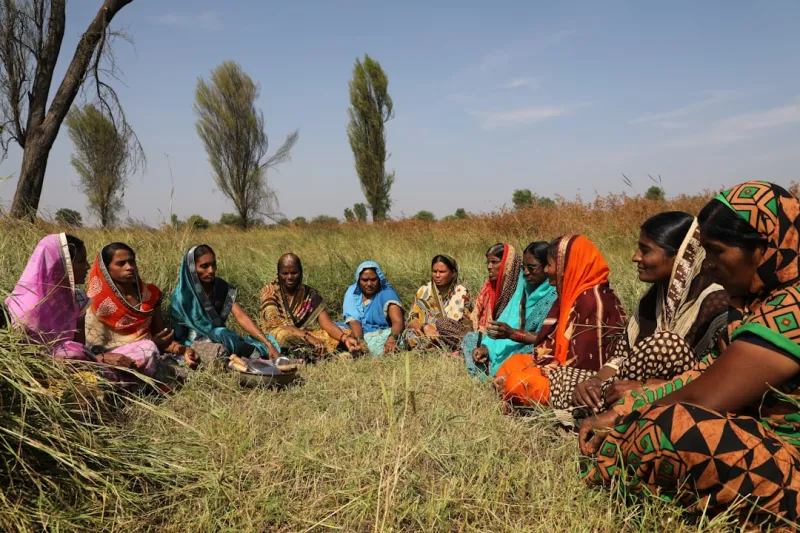
The Unseen Struggles of Mental Health in Rural Canada
Rural Canadians face unique challenges when it comes to mental health, from isolation and lack of anonymity to limited access to resources. Learn more about the...Read More

Why a National AI Ethics Playbook Is the Next Must‑Have for SaaS Leaders
A national AI ethics playbook is becoming essential for SaaS firms. This post outlines practical steps—model cards, bias testing, ethics boards—and shows ho...Read More
Charting a New Course: Data‑Driven, Sustainable Freshwater Fishing in Ontario
A fresh look at Ontario fishing that blends tradition with data, sustainable gear, and renewable energy, offering practical tips for anglers to protect the prov...Read More
0 Comments
Post Comment
You will need to Login or Register to comment on this post!