

Unearthing the Silent Strain on Canadian Farmers
When the sunrise paints the prairie gold, most outsiders picture a scene of sturdy hands and endless horizons, yet behind that tableau lies a quiet crisis that rarely makes headlines. The mental toll of unpredictable markets, relentless weather swings, and the weight of generational expectations has seeped into the very soil that sustains us, turning fields into both refuge and battleground. I have watched neighbours wrestle with sleepless nights, and I have felt the subtle shift in conversation when the harvest calendar blurs into a relentless loop of worry and hope. Understanding this hidden strain is the first step toward nurturing a healthier farming community.
Isolation Meets Innovation: Crafting Support Networks
For decades, the lone farmer has been romanticized, but the reality is that isolation can erode resilience faster than a pest outbreak. Recent grassroots movements have begun to stitch a safety net of peer‑to‑peer check‑ins, local farmer circles, and shared‑resource hubs that operate on trust rather than transaction. By joining forces, growers create spaces where a simple coffee break can become a de‑briefing session on mental wellbeing, and a shared tractor schedule can double as a reminder that nobody is truly alone. Explore how grassroots innovation in farming is reshaping our collective mindset.
Indigenous Wisdom as a Healing Soil Strategy
Our ancestors taught us that the land is a living partner, not a commodity, and that respect for its cycles restores both yield and spirit. Integrating Indigenous practices—such as seasonal foraging, ceremonial planting, and the use of native cover crops—does more than boost biodiversity; it offers a narrative of stewardship that eases the anxiety of climate unpredictability. When a farmer observes the gentle resurgence of a wildflower after a drought, that visual affirmation becomes a tangible reminder that resilience is built into the ecosystem itself. Even the quiet tech revolution now acknowledges the value of ancient knowledge, blending sensors with songlines to guide planting decisions.
Agri‑Tourism: Turning Fields Into Healing Spaces
Opening farm gates to visitors does more than supplement a balance sheet; it transforms the very act of farming into a shared story of renewal. Guests who walk among rows of heirloom tomatoes or help churn butter experience a tangible connection to the land, while farmers gain a refreshing influx of social interaction that counters solitary routine. The seasonal festivals, farm‑stay retreats, and hands‑on workshops have become informal therapy sessions, where laughter over a missed corn stalk can dissolve months of tension. A simple
- farm‑to‑table dinner night
- guided nature walk
- community seed‑swap
can re‑anchor a farmer’s sense of purpose and belonging.
Policy Gaps: The Need for Targeted Mental‑Health Resources
While agricultural subsidies and disaster relief funds are well‑publicized, there remains a glaring absence of mental‑health infrastructure tailored to rural realities. Existing programs often require urban‑centric access points, leaving farmers to travel long distances for counseling that feels detached from their daily struggles. Advocacy groups are beginning to lobby for mobile wellness units, tele‑therapy platforms with agricultural lingo, and dedicated crisis lines staffed by professionals who understand the unique pressures of sowing and reaping. Bridging this policy gap could transform the narrative from “enduring hardship” to “thriving through support.”
Future‑Focused Education: Nurturing the Next Generation of Resilient Growers
Today's youth entering agriculture are tech‑savvy, socially conscious, and eager to redefine what it means to be a farmer beyond profit margins. Embedding mental‑health literacy into agricultural curricula—through workshops on stress management, mindfulness in the field, and peer mentorship—prepares them to handle both the soil and the psyche with equal care. School‑farm partnerships, apprenticeship models, and university‑led research projects can create a pipeline where resilience is taught as rigorously as crop rotation. When young growers see mental wellbeing as a cornerstone of sustainable practice, they inherit farms that are healthier on every level.
Digital Storytelling: Turning Narrative into Healing
Social media, podcasts, and short‑form video have become unexpected sanctuaries for farmers seeking to voice their struggles and triumphs. By sharing authentic stories—whether a sunrise over a frost‑bitten field or a candid conversation about burnout—growers find solidarity in the echo chambers of online communities. This digital chorus not only destigmatizes mental‑health discussions but also offers practical tips, from breathing exercises before a long haul to simple gratitude journals kept in a weathered notebook. The act of documenting daily life becomes a therapeutic ritual, turning the invisible labor of the mind into a visible narrative.
Community‑Led Research: Data as a Compassion Tool
Collecting real‑time data on farmer stress levels, seasonal anxiety spikes, and the efficacy of support programs can empower communities to tailor interventions that actually work. Collaborative research projects, co‑designed by growers and mental‑health professionals, ensure that metrics reflect lived experience rather than academic abstraction. When a farmer sees their own survey responses feeding into a regional wellness initiative, the sense of agency restores confidence that they are not merely subjects of study but active architects of change. This loop of feedback and adaptation fuels a culture where data serves compassion, not bureaucracy.
Conclusion: Cultivating Resilience Together
The fields of Canada are more than rows of crops; they are living testaments to perseverance, ingenuity, and the deep bond between people and place. By acknowledging the silent mental‑health challenges, embracing community networks, honoring Indigenous wisdom, and leveraging both policy and technology, we can sow a future where farmers thrive emotionally as well as economically. Let us walk the furrows side by side, sharing stories, resources, and hope, because a healthier mind yields a richer harvest for all.

Related Posts
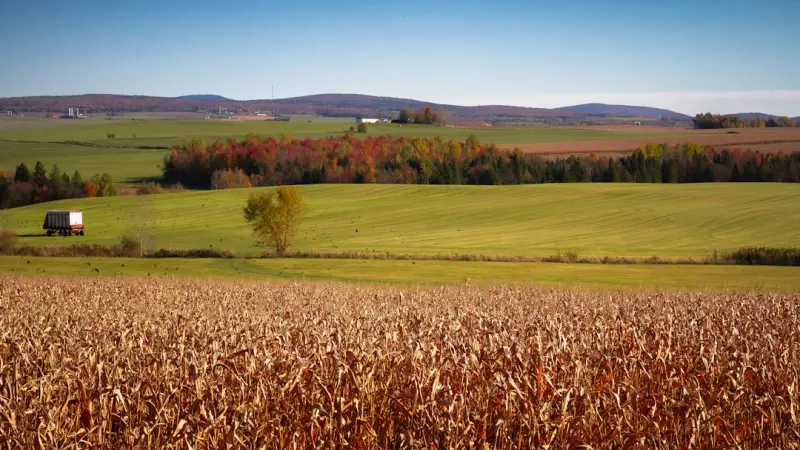
How Canadian Farmers Are Turning Climate Challenges into Growth Opportunities
Canadian farmers are embracing regenerative methods, carbon farming, and digital tools to turn clima... Read More
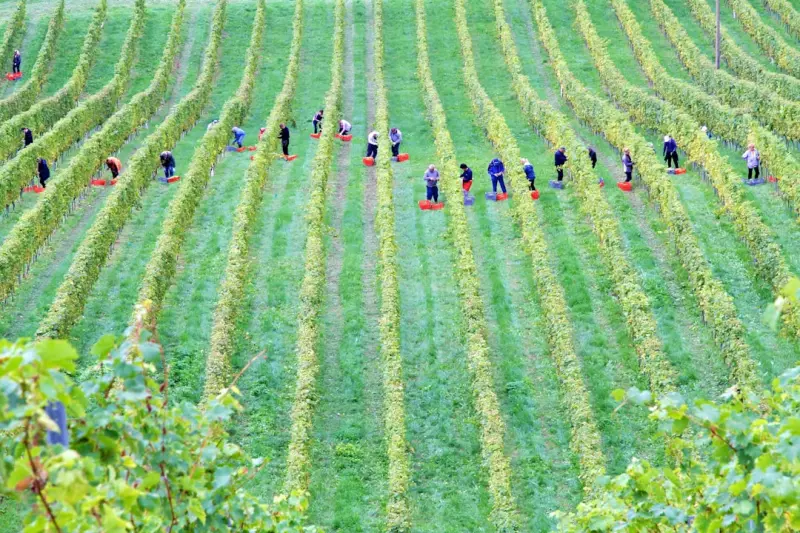
From Field to Forum: How Canadian Farmers Are Shaping Local Food Policy
Canadian farmers are stepping into policy rooms, forming cooperatives, embracing Indigenous seed sov... Read More
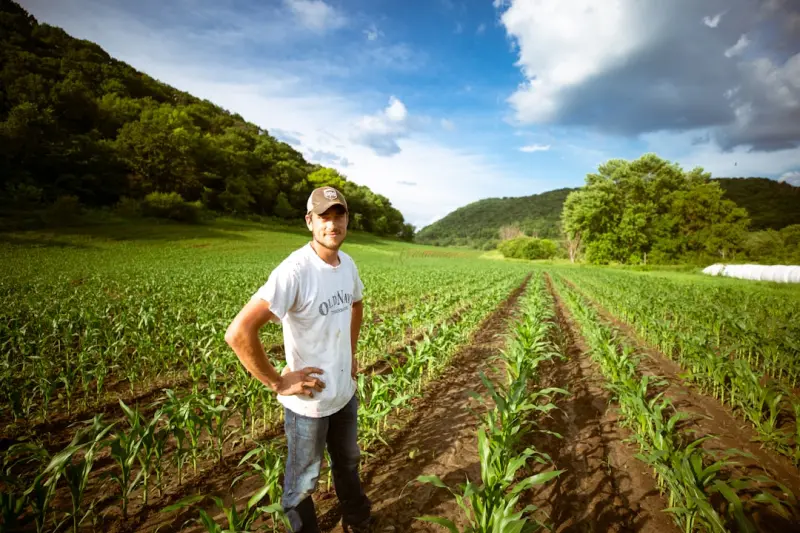
Regenerative Roots: How Canadian Farmers Are Re‑Imagining the Land
Discover the fresh approaches Canadian farmers are adopting—from ancient soil practices to high‑... Read More
Top Posts
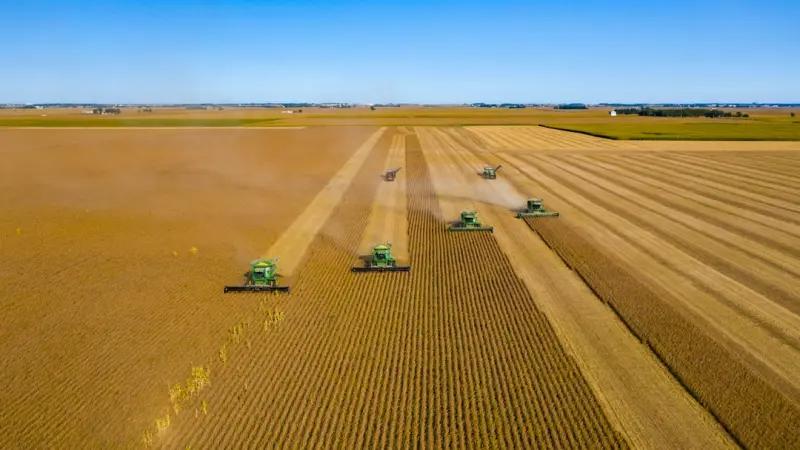
Harvesting Data: How Canadian Farmers Are Turning Sensors into Community Power
Mark Daniels explains how Canadian farms are transforming soil sensors into shared data assets, fostering cooperative insights that improve yields, reduce costs...Read More

Tariff Transparency: Empowering Consumers and Small Brands with Data
Explore how transparent tariff data reshapes pricing, empowers small brands, and turns shoppers into informed negotiators—all without hidden fees....Read More

Zero-Waste Dining: How Restaurants Turn Trash into Treasure
Explore the rise of zero‑waste restaurants that turn scraps into signature dishes, partner with local farms, and leverage technology—showcasing how chefs an...Read More

Dining Trends 2024: A Foodie’s Insider Look at Restaurants Redefining the Experience
A foodie’s insider view on 2024’s restaurant evolution—discover how hyper‑local sourcing, tech, sustainability, and storytelling are reshaping the dinin...Read More
0 Comments
Post Comment
You will need to Login or Register to comment on this post!