
Beyond the Fields: Building Community‑First Food Networks
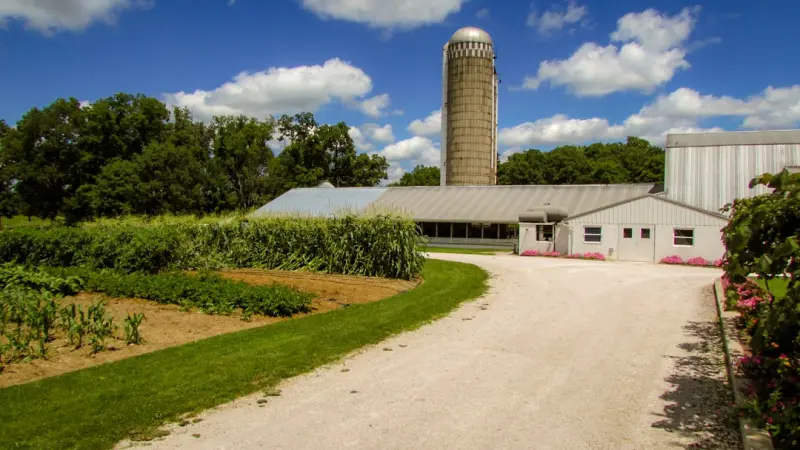
When I first pulled on my boots at dawn and stepped onto the family farm in the heart of the Prairies, the world felt simple: soil, seed, and the rhythm of the seasons. Decades later, the same sunrise now brings a chorus of smartphones, subscription boxes, and a growing curiosity from city‑dwelling neighbors who want to know where their food truly comes from. The farmer’s role is expanding, and the most rewarding evolution I’ve witnessed is the rise of community‑first food networks that go far beyond the traditional farmstand.
Why Community Networks Matter Now More Than Ever
Rural economies have long been vulnerable to commodity price swings, weather extremes, and shifting trade policies. While large‑scale agribusiness can buffer some of those shocks, small‑to‑medium farms often feel the impact the hardest. By weaving tighter ties with local consumers, restaurants, schools, and co‑ops, growers can create a safety net that balances revenue streams, reduces waste, and strengthens regional identity.
It’s not just about a steady cash flow. Community networks foster a shared sense of stewardship. When a family in Calgary learns that the carrots on their dinner plate were harvested by a neighbour just a few hours earlier, they’re more likely to value seasonal eating, support sustainable practices, and advocate for policies that protect farmland.
The Building Blocks of a Thriving Local Food Network
- Direct‑to‑Consumer Hubs: Pop‑up market stalls, weekly “farm‑to‑door” boxes, and subscription services let growers sell fresh produce straight to households. This cuts the middleman, improves margins, and builds personal relationships.
- Collaborative Processing: Small batches of berries or heritage grains can be pooled together for value‑added products—jams, cold‑pressed oils, or artisan flours—allowing farmers to tap into niche markets without the overhead of a full‑scale facility.
- Educational Partnerships: Schools and community centres are hungry for hands‑on agronomy lessons. By offering field trips, cooking demos, and curriculum‑aligned modules, farms become living classrooms that nurture the next generation of food lovers.
- Digital Marketplace Integration: Leveraging online platforms that aggregate inventory, manage subscriptions, and handle logistics makes it easier for small farms to reach customers far beyond the county line.
- Cross‑Sector Alliances: Partnering with local breweries, wineries, or even tech incubators can spark innovative product lines—think hop‑infused honey or grain‑based bioplastics—that diversify income.
From Idea to Execution: A Real‑World Walkthrough
Take the story of a modest mixed‑crop farm in the Okanagan valley that decided to pivot from a sole reliance on wholesale contracts. The owners began by surveying neighbours, local cafés, and a nearby high school to gauge interest in fresh, seasonal produce. The feedback was clear: there was a demand for weekly, curated boxes of veggies, fruit, and even a “surprise” heirloom tomato each month.
Next, they invested in a modest cold storage unit and partnered with a regional logistics startup that already handled deliveries for boutique grocery stores. By syncing their harvest calendar with the startup’s routing software, they could guarantee that each box arrived within 24 hours of picking.
To amplify the community feel, the farm hosted a monthly “Meet Your Farmer” evening on the property. Residents sampled the upcoming box’s contents, learned about sustainable practices, and even voted on which experimental crop to trial next season. This two‑way dialogue transformed customers into collaborators, and the farm’s social media following exploded, turning a local initiative into a regional brand.
Technology as an Enabler, Not a Replacement
While the heart of these networks is personal connection, technology is the scaffolding that holds everything together. Simple tools—like shared calendars, QR‑coded product stories, and cloud‑based inventory dashboards—streamline operations without eroding the human element.
For those curious about the deeper digital transformation of agriculture, you might have heard about how blockchain is being used to create transparent supply chains. Our own journey referenced insights from From Soil to Ledger: How Blockchain is Rewriting the Canadian Farm Story to ensure traceability for premium products. While we didn’t adopt a full blockchain solution, the concept inspired us to embed QR codes that link directly to a harvest log, showing consumers exactly when and how each item was grown.
Learning from the Past: Reimagining the Homestead
Community food networks also echo a broader movement to reimagine the Canadian homestead for contemporary living. The modern homestead isn’t just a place to produce food; it’s a hub for education, entrepreneurship, and cultural exchange. By integrating agritourism—farm walks, workshops, and seasonal festivals—farmers can diversify revenue while strengthening community bonds.
Overcoming Common Challenges
Building a community network isn’t without hurdles. Here are the three most frequent obstacles and practical ways to navigate them:
- Logistical Complexity: Coordinating pick‑ups, deliveries, and inventory can feel overwhelming. Start small—perhaps a weekly delivery zone within a 30‑km radius—and scale gradually. Investing in a modest route‑optimization app can save hours each month.
- Regulatory Navigation: Direct sales sometimes require permits, especially when processing foods. Connect with provincial agriculture departments early, and consider joining a local farm association that can provide guidance and shared resources.
- Marketing Saturation: In a world where every farm claims “farm‑fresh”, differentiation is key. Tell a story that’s uniquely yours—whether it’s your family’s century‑old seed bank, a commitment to pollinator habitats, or a partnership with an Indigenous elder sharing traditional planting wisdom.
Measuring Impact: Beyond Revenue
Success isn’t solely measured in dollars. Track metrics that reflect community health and environmental stewardship:
- Customer retention rate (how many subscribers stay month‑to‑month)
- Waste reduction (percentage of produce sold vs. harvested)
- Community engagement (attendance at farm events, social media interactions)
- Ecological indicators (soil organic matter, pollinator counts)
These data points not only guide business decisions but also provide compelling narratives for grant applications and media coverage.
Future Outlook: Scaling While Staying Rooted
The next frontier for community food networks is strategic scaling that preserves authenticity. This could mean:
- Forming regional cooperatives that share processing facilities while maintaining individual brand stories.
- Embedding renewable energy solutions—like solar‑powered cold storage—to reduce operating costs and carbon footprints.
- Leveraging AI‑driven demand forecasting to fine‑tune planting schedules, ensuring that what’s grown aligns with consumer preferences.
Each step forward should be measured against the core principle that sparked the movement: bringing people closer to the land that feeds them.
Take the First Step Today
If you’re a farmer wondering how to dip your toes into community networking, start with a conversation. Invite neighbours over for a tasting, ask local chefs what they’re missing, and listen. The seed of a robust network is often planted in a single, honest dialogue.
And if you’re a consumer eager to support the growers behind your meals, look for farm‑run subscription boxes, attend local harvest festivals, or simply ask your grocery retailer where their produce originates. The more we all engage, the stronger the tapestry of Canadian agriculture becomes.

Related Posts
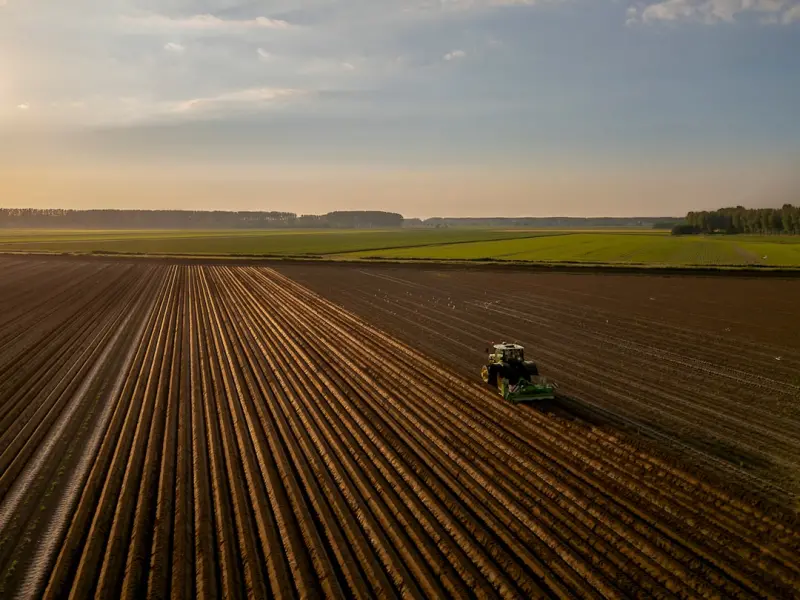
Harvesting Collaboration: How Canadian Farmers Are Building a Shared Future on the Land
From community equipment hubs to data‑driven marketplaces, Canadian farmers are redefining indepen... Read More
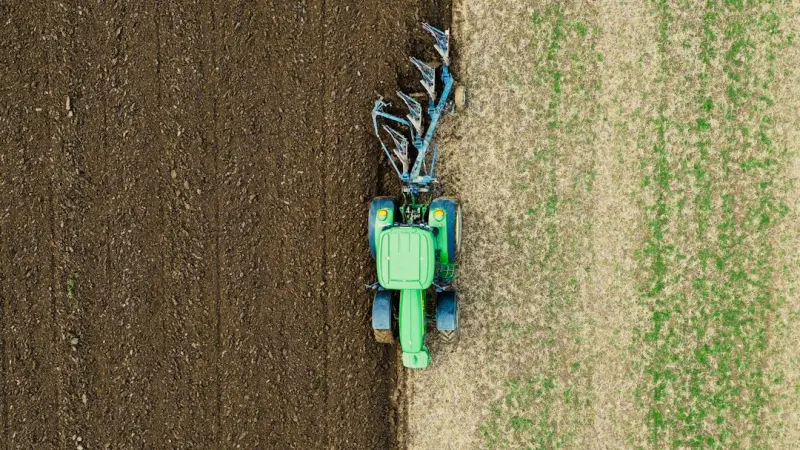
Cultivating Connection: How Canadian Farmers Use Storytelling to Grow Brands
Canadian farmers are weaving heritage, sustainability, and personal experiences into compelling narr... Read More
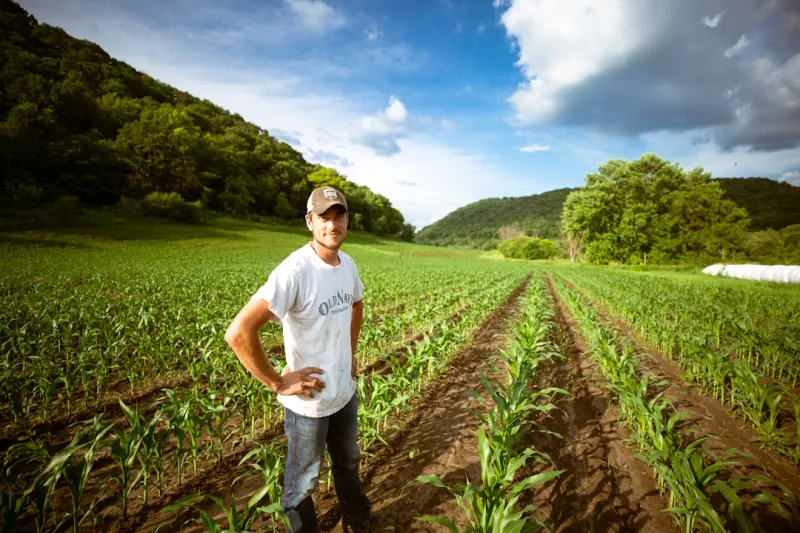
The Unseen Struggles of Canadian Farmers
Canadian farmers are the backbone of this country, but they face many unseen struggles. Learn more a... Read More
Top Posts
The Flavors of Rural America: A Culinary Journey Through the Heartland
Explore the flavors of rural America, from farm-to-table produce to artisanal cheeses and craft beers. Join Tracie Higgins on a culinary journey through the hea...Read More

Listening to the Body’s Quiet Signals: A New Playbook for Everyday Health
Learn to hear and act on the body's subtle signals—like ultradian cycles, sensory cues, and biofeedback—to craft a balanced, resilient health routine rooted...Read More

Smart, Sustainable Prom & Graduation Planning Guide
A comprehensive guide that blends budget-conscious SaaS tools, sustainable fashion, data‑driven catering, inclusive practices, and simple tech enhancements to...Read More

Canada’s Entertainment Landscape Is Thriving Like Never Before
From coast‑to‑coast festivals and Indigenous podcasts to VR arcades and cottage film nights, Canada’s entertainment scene is reinventing itself, uniting c...Read More
0 Comments
Post Comment
You will need to Login or Register to comment on this post!